
If you have seen the 1984 film “Karate Kid”, you know that the only way the protagonist Daniel LaRusso was able to defeat his nemesis Johnny Lawrence was with a “crane kick” to the chin powerful enough to knock him down allowing Daniel to clench the title of the Karate tournament.
Continue reading “Kick like Karate kid”Tag: martial arts
A striking difference: How combat sports affect bone density
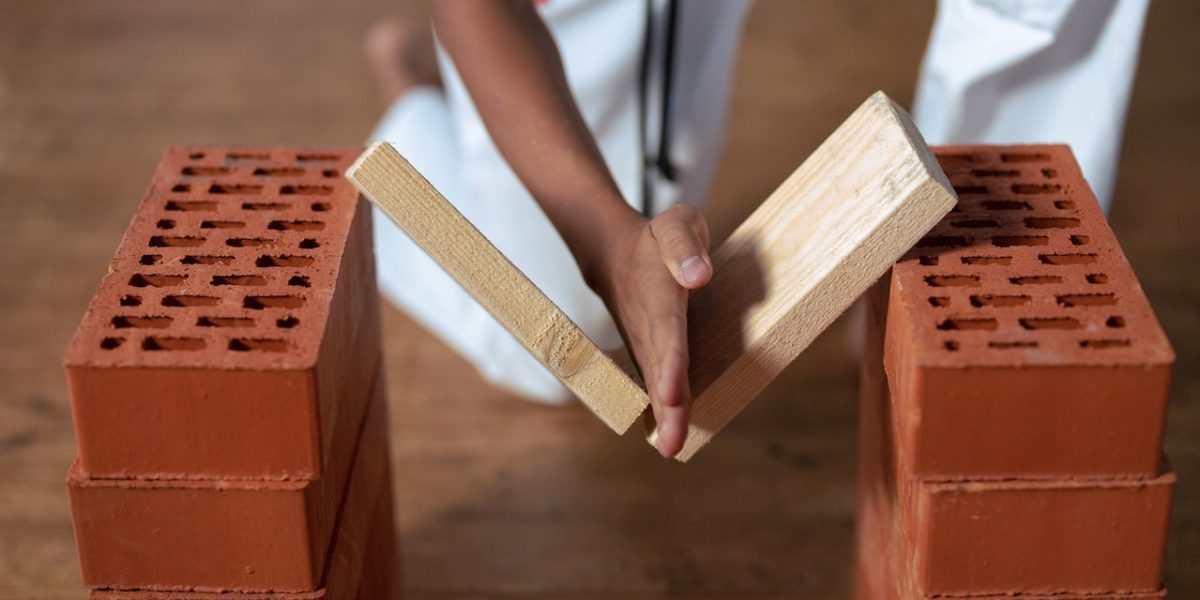
We have all seen it before, whether it is in Hollywood depictions, or watching competitors in the Ultimate Fighting Championship, there is always a sense of awe when watching humans strike and break surfaces with astounding force. Whether it is breaking bricks, a baseball bat or their opponents, the physiological phenomena that allows these athletes to perform such feats results from years of dedicated practice and study. By continuously placing their bodies under immense stresses and impacts, the actual composition and density of the athlete’s bones adapt to provide increased strength and durability. In practice this is done by repetitively striking a hard surface, such as a wooden planks, or a punching bad, with increasing force for a prolonged period of time. Although the practice of bone hardening has roots as ancient as the martial arts themselves, the scientific study of the phenomena has only occurred in the past few decades. So how do these athletes develop exceptionally strong bones?
Continue reading “A striking difference: How combat sports affect bone density”We have all seen it before, whether it is in Hollywood depictions, or watching competitors in the Ultimate Fighting Championship, there is always a sense of awe when watching humans strike and break surfaces with astounding force. Whether it is breaking bricks, a baseball bat or their opponents, the physiological phenomena that allows these athletes to perform such feats results from years of dedicated practice and study. By continuously placing their bodies under immense stresses and impacts, the actual composition and density of the athlete’s bones adapt to provide increased strength and durability. In practice this is done by repetitively striking a hard surface, such as a wooden planks, or a punching bad, with increasing force for a prolonged period of time. Although the practice of bone hardening has roots as ancient as the martial arts themselves, the scientific study of the phenomena has only occurred in the past few decades. So how do these athletes develop exceptionally strong bones?
Continue reading “A striking difference: How combat sports affect bone density”Packing a punch: Does strength indicate boxing performance?
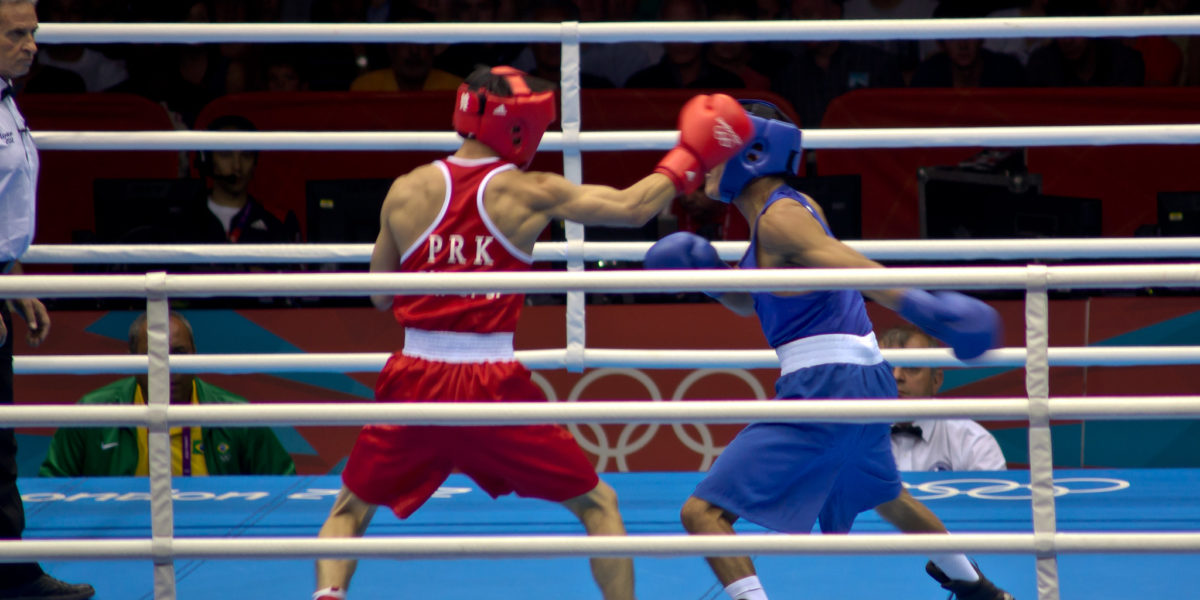
Every sport has a different “ideal” body type, which is largely dictated by the muscle groups it focuses on training. Swimmers prioritize developing the muscles in their shoulders and backs, which allows them to propel themselves through the water with their arms. On the other hand, runners prioritize the hamstrings and quads in their legs, which allows them to generate greater force when pushing off of the ground. So, what is the ideal body type for boxing? Strength is clearly important when punching an opponent, but is it even the most important factor in boxing performance? Should either upper- or lower-body strength be prioritized over the other?
Continue reading “Packing a punch: Does strength indicate boxing performance?”Punch like a nerd: Utilizing Biomechanics in Boxing Form
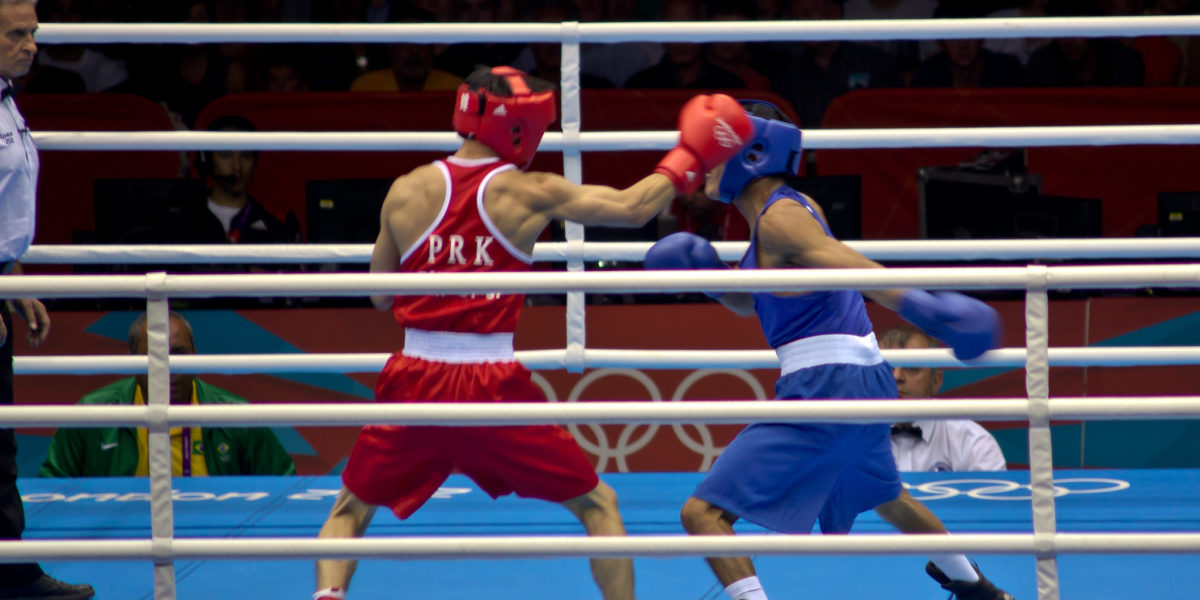
You and I are living creatures. Every living creature on Earth has some means of self-preservation, and while society and technology have advanced humans far beyond the norms of the animal kingdom, deep down at our core is the self-preserving instinct known as “fight or flight”. When the moment arises that flight is not possible, that unarmed self-defense is the only option, a human will most likely throw a punch. Unless you are trained in a combat sport or a style of self-defense, that punch will likely be inefficient and ineffective. I’m here to break down, with biomechanics, the most effective way to throw that punch.
Continue reading “Punch like a nerd: Utilizing Biomechanics in Boxing Form”Will Removing Headgear Make Boxing Safer?
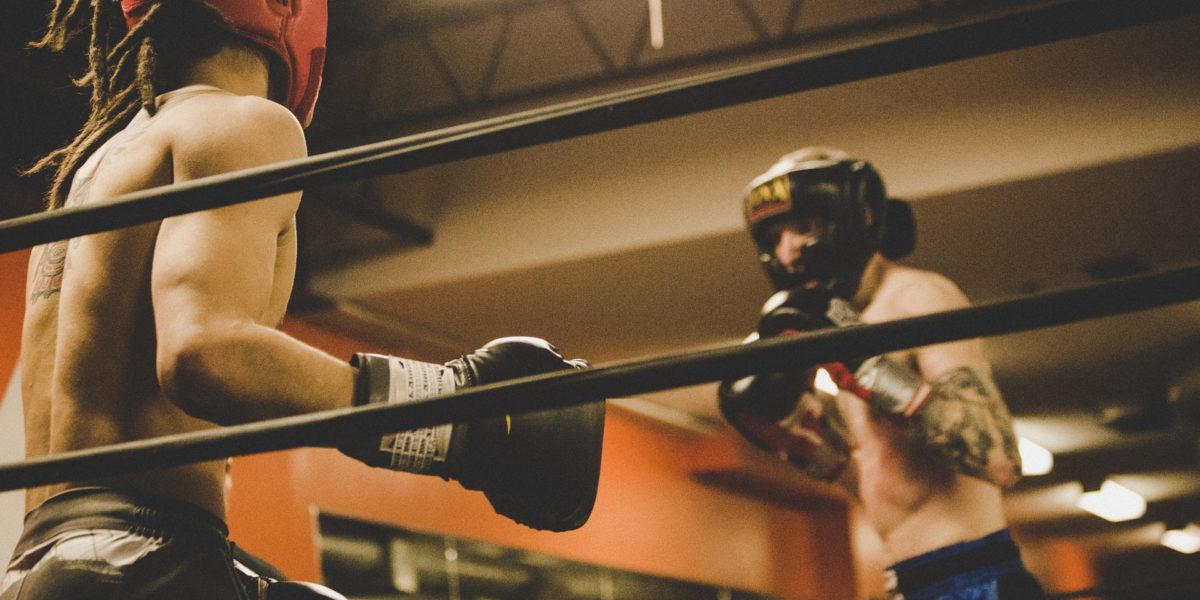
Our brains are made of a very soft material but luckily our skulls provide the brain protection from the outside world. However, during violent movements the brain is free to move inside the skull and collide with the skull. This impact can cause injury to the brain, known as a concussion, that can lead to various symptoms depending on severity.
Continue reading “Will Removing Headgear Make Boxing Safer?”