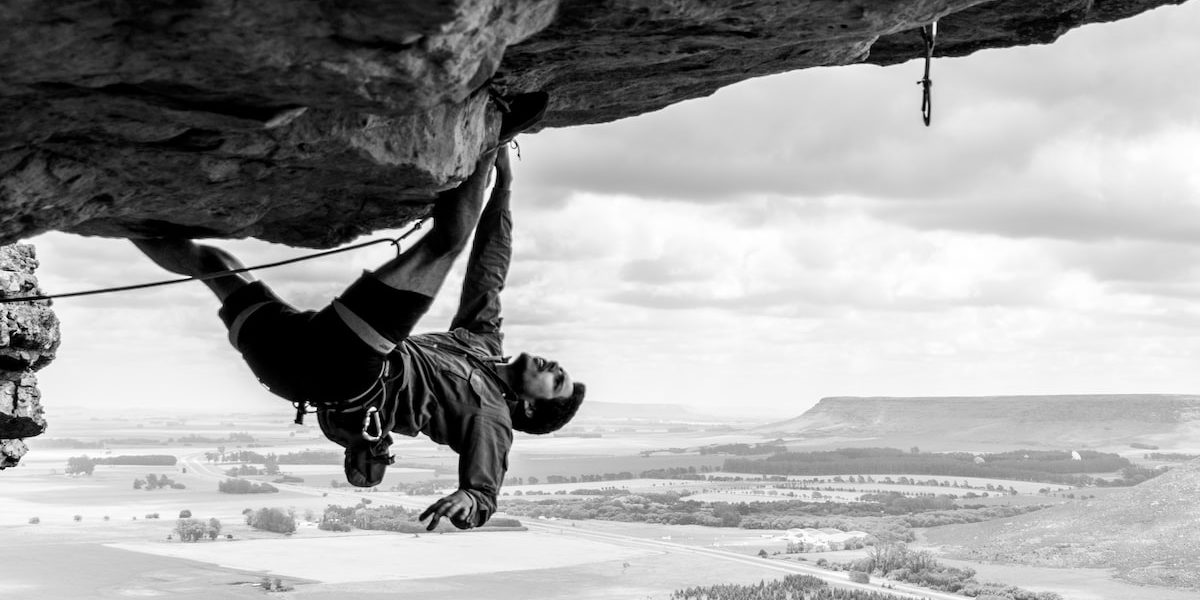
Rock climbing may just be the greatest exercise activity. It’s a holistic workout with an infectiously supportive community that involves plenty of problem solving and a good understanding of body movement and biomechanics. If you ever find yourself on the climbing wall, you will inevitably encounter a sequence of moves that seemingly proves to be too difficult or complicated. Whether you’re a veteran or a beginner, below are just a few of the countless biomechanical techniques and tips to keep in mind when coordinating and executing your attempts; they could be the difference between plateauing and finally topping out on that elusive route.
Continue reading “Want Your Ticket to the Top?”Tag: feet
Which Body Mechanics Help You Jump Higher?
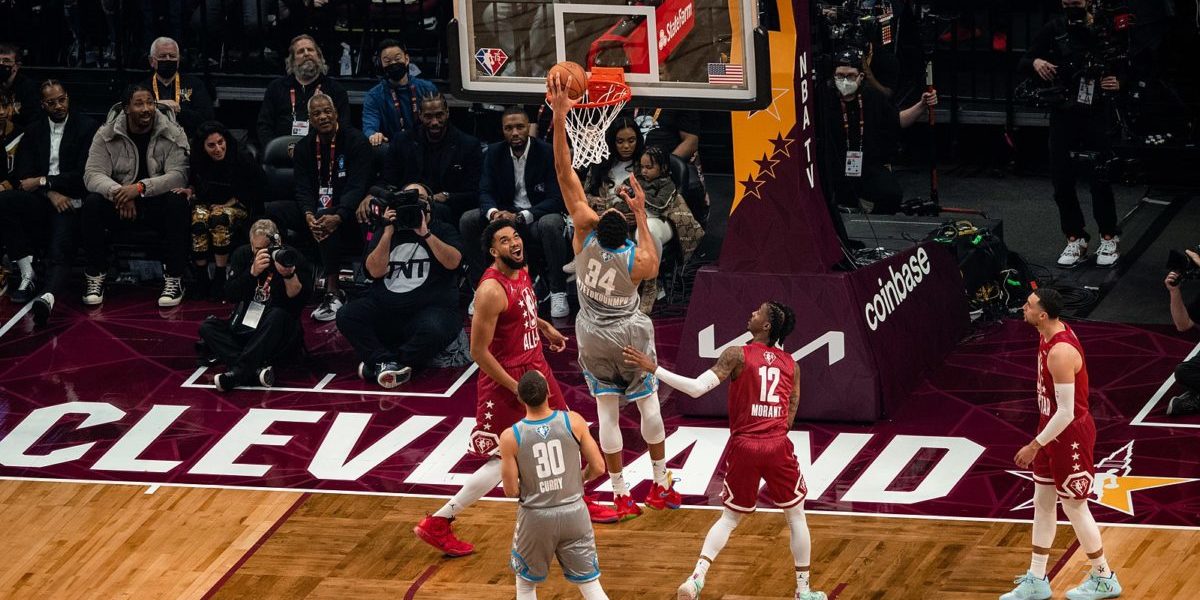
Vertical jumping is an essential aspect of many sports. In volleyball and basketball, for example, jumping higher than your opponent gives you a significant competitive advantage. Volleyball players need to be able to block and spike, while basketball players need to be able to rebound well and finish tough shots over opponents. Most athletes know the basics of jumping, but few know what specific body mechanisms contribute to jump height. This article will discuss four key elements to vertical jump height:
- Squat depth
- Non-extension movements
- Arm swing
- Toe flexor strength
Understanding the mechanics behind each of these elements can help guide athletes in training regimens to better increase jump height.
Continue reading “Which Body Mechanics Help You Jump Higher?”Do Shoes Alter the Form and Function of Your Feet?
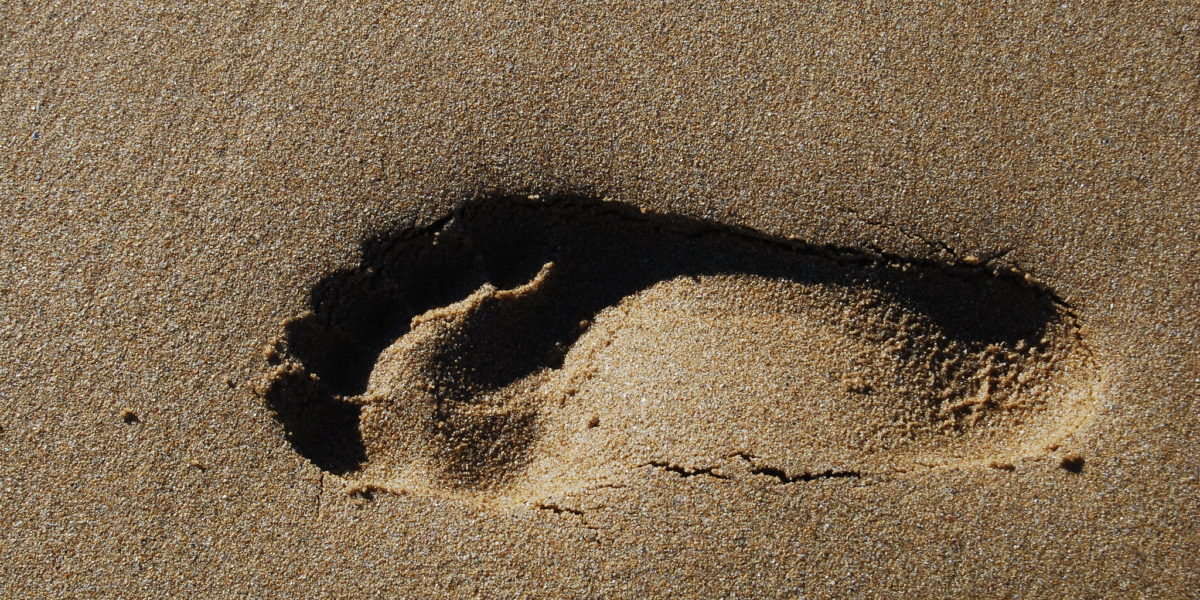
Have you ever worn a favorite pair of shoes much longer than you should’ve, only to experience an injury as a result? What if I told you that a large portion of modern footwear might increase your injury risk, even when brand new?
Continue reading “Do Shoes Alter the Form and Function of Your Feet?”Do your Foot Arches make you more or less likely to be injured?
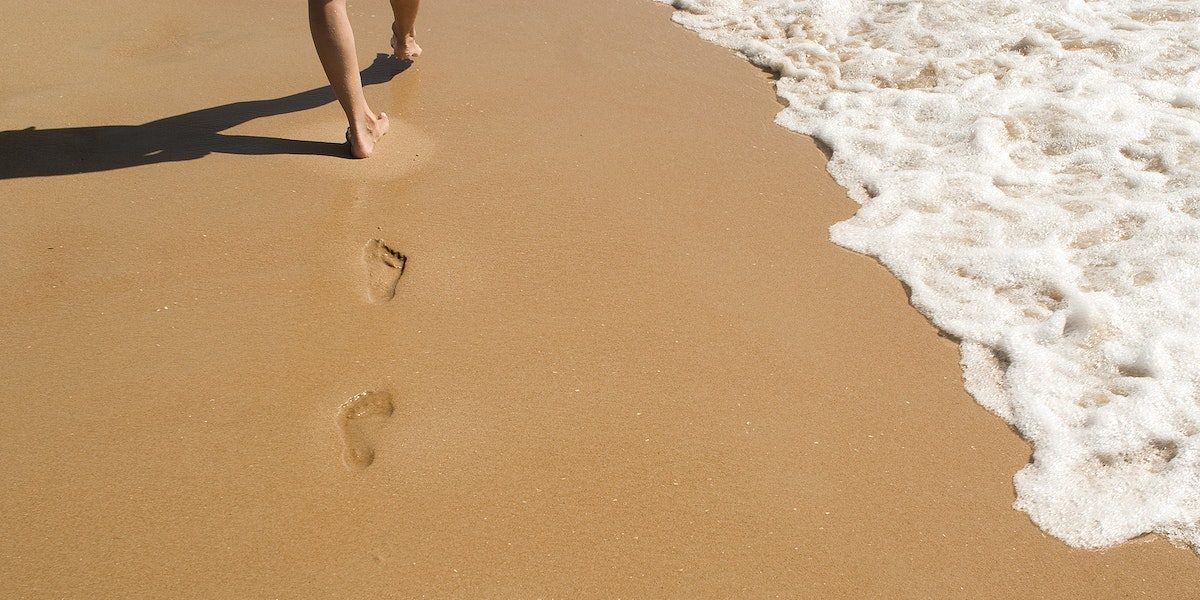
Have you ever wondered how your arch type may affect your everyday life especially in physical activities such as running or playing sports? Well it turns out that without taking precautions, a higher arch or a flat foot may cause you to more likely be injured! People have all different types of arches, and each foot can be affected differently based on the type of arch.
Continue reading “Do your Foot Arches make you more or less likely to be injured?”Have you ever wondered how your arch type may affect your everyday life especially in physical activities such as running or playing sports? Well it turns out that without taking precautions, a higher arch or a flat foot may cause you to more likely be injured! People have all different types of arches, and each foot can be affected differently based on the type of arch.
Continue reading “Do your Foot Arches make you more or less likely to be injured?”Ditching the shoes: Minimalist trend or natural advantage?
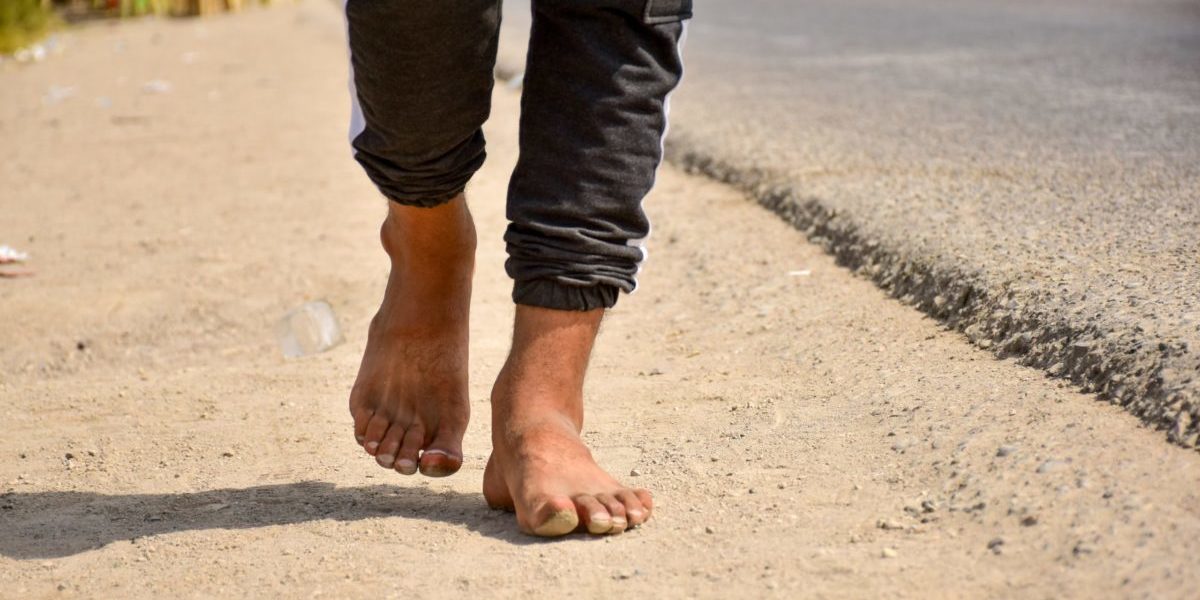
The discussion of returning to minimalist ways, namely walking or running barefoot, is a question that rises in many circles, from new parents to elite runners.
Continue reading “Ditching the shoes: Minimalist trend or natural advantage?”Living Off Balance

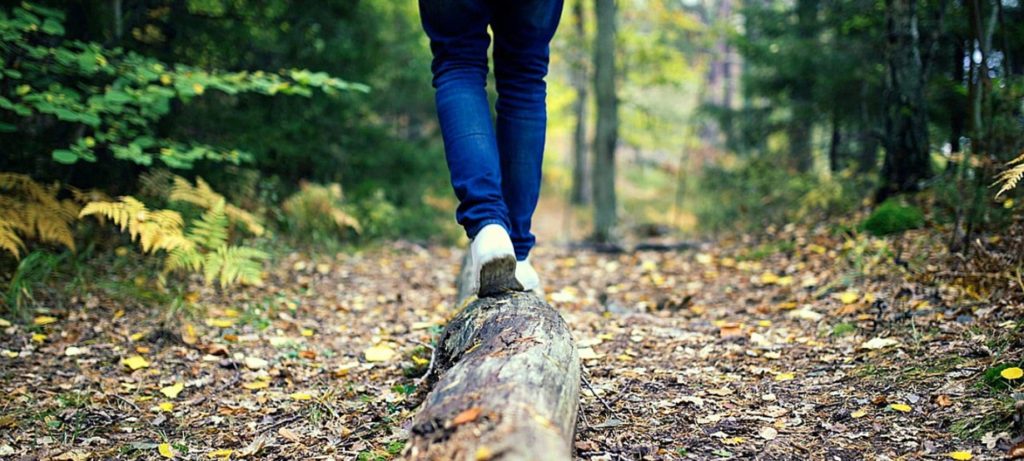
Imagine yourself walking at a normal pace down the sidewalk. Maybe you are on your way to class. The sidewalk has a little bit of a tilt causing your left foot to be higher than the right as it plants on the ground. Imagine how your body may compensate after a few minutes of walking on this path. We have all walked on uneven ground and began to feel the effects with sore knees or hips. But what if you felt this same way all the time even on perfectly flat terrain? This is the reality for those with leg length discrepancies.
Continue reading “Living Off Balance”Hell for your Heels: Plantar Fasciitis and Heel Spurs
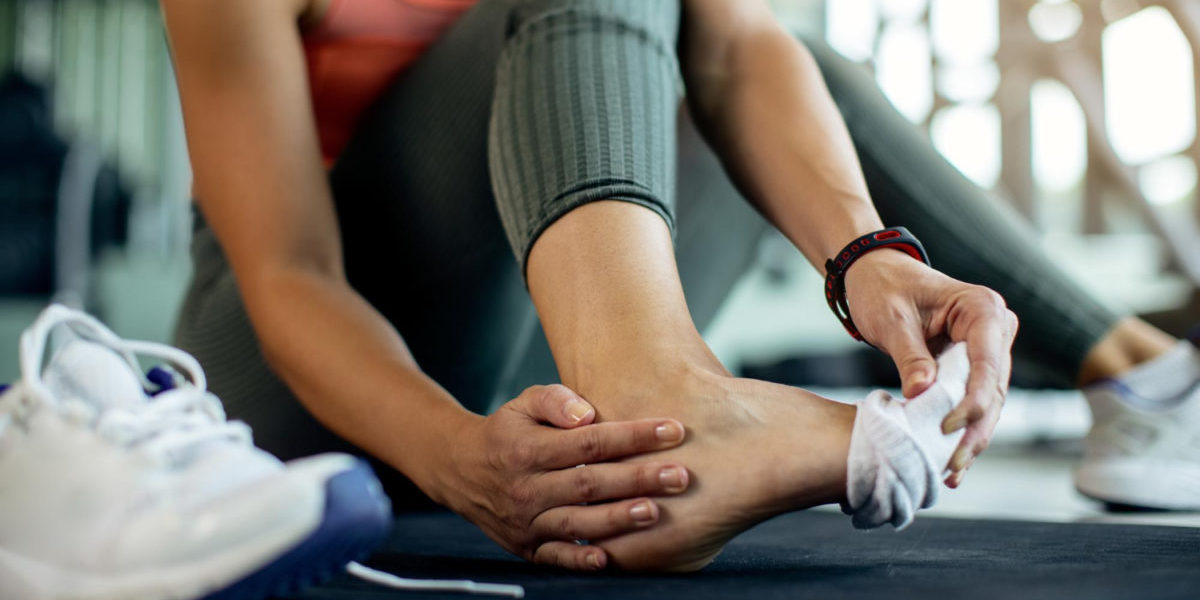
Heel and foot pain are somewhat universal issues, impacting people of all different sizes and activity levels. This type of pain can be seen in obese people, who have increased strain on their feet and heels. This pain can limit their mobility, and even discourage healthy amounts of exercise. It is also common to extremely active people, such as runners or sports players. This type of pain can prevent a person from participating in the athletics that they work so hard to compete in. I experienced a great deal of heel pain during high school, which made it difficult for me to play sports such as soccer, basketball, and track and field. This was an issue I had to deal with throughout high school, however I never understood what caused this pain that kept me on the sidelines at times.
Continue reading “Hell for your Heels: Plantar Fasciitis and Heel Spurs”Put One Foot in Front of the Other? It’s Not that Easy
From Christmas movies to pop songs to motivational posters, we are encouraged to keep putting “one foot in front of the other.” While the sentiment is inspiring, recent studies show that there is a lot more to the seemingly simple task of walking than this phrase would suggest. Understanding this is especially important for balance and mobility after an injury or as people age.
Continue reading “Put One Foot in Front of the Other? It’s Not that Easy”High Heels: How They Can Affect You Even After You Take Them Off

Anyone who has worn high heels, or has even simply seen a person in high heels, knows that the foot is definitely not in its usual position in that kind of shoe – walking is more difficult and forget about even trying to run in high heels. Researchers from Manchester Metropolitan University and the University of Vienna wanted to investigate if frequent, long term use of high heels caused lasting changes in the calf, in addition to the normal discomfort experienced by high heel wearers.
Continue reading “High Heels: How They Can Affect You Even After You Take Them Off”Back Against the (John) Wall
What would you do if you went to the doctor expecting to get back to work, only to be told you might not ever be able to go back to work again?
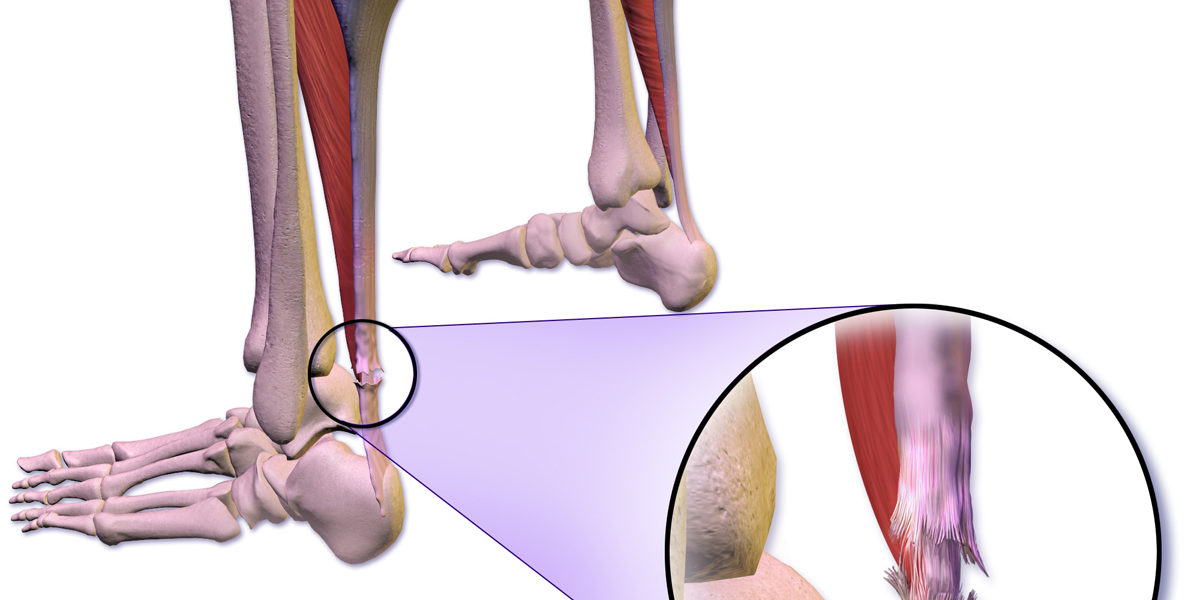
According to ESPN, on February 4, John Wall visited his doctor regarding an infection in his heel after a previous operation. The doctor checked the infection, but upon further analysis, realized that Wall had suffered a partial Achilles tear. Unlike former teammate Boogie Cousins, he did not suffer the tear on the court, but at home. It was reported that while at home he fell and experienced extra discomfort in his heel. His doctor reported that he will undergo surgery and will likely rehab for the next 11 to 15 months.
Continue reading “Back Against the (John) Wall”