Pes planus, or better known as flat feet, is a medical condition that affects the soles of the human feet at any point within one’s life, including at birth per Gross et. al. This condition is prevalent when the arch of the foot is collapsed, affecting a multitude of extremities throughout the human body such as outer and inner muscles in the sole of the foot, poor stability on the abnormal structure, and an increase in osteoarthritis, a noncurable condition that occurs when the ends of bones wear down at their ends. The particular relationship between flat feet and the immediate response to osteoarthritis is a prevalent mitigation to people’s lives. This association of joint injury with flat feet references the cross area (CSA), with direct relation to the biomechanical forces acted to the sole, and how it impacts the rest of the cartilage on the knee, as best said by Sachini et al. As a result, the biomechanical forces affect the comfort and biological responses on the knee, affecting the lives of millions around the world. As a result, the question this blog post seeks to provide insight on is: What mechanical components are aligned with biological components that causes this condition? Additionally, this blog posts mentions the relationship and the whether there is a direct correlation between flat feet and in osteoarthritis.
Continue reading “Watch Your Step: The Relationship between Flat Feet and Arthritis”Tag: arthritis
From Strain to Pain: Role of Altered Loadings at Joints as Onset for Osteoarthritis (OA)
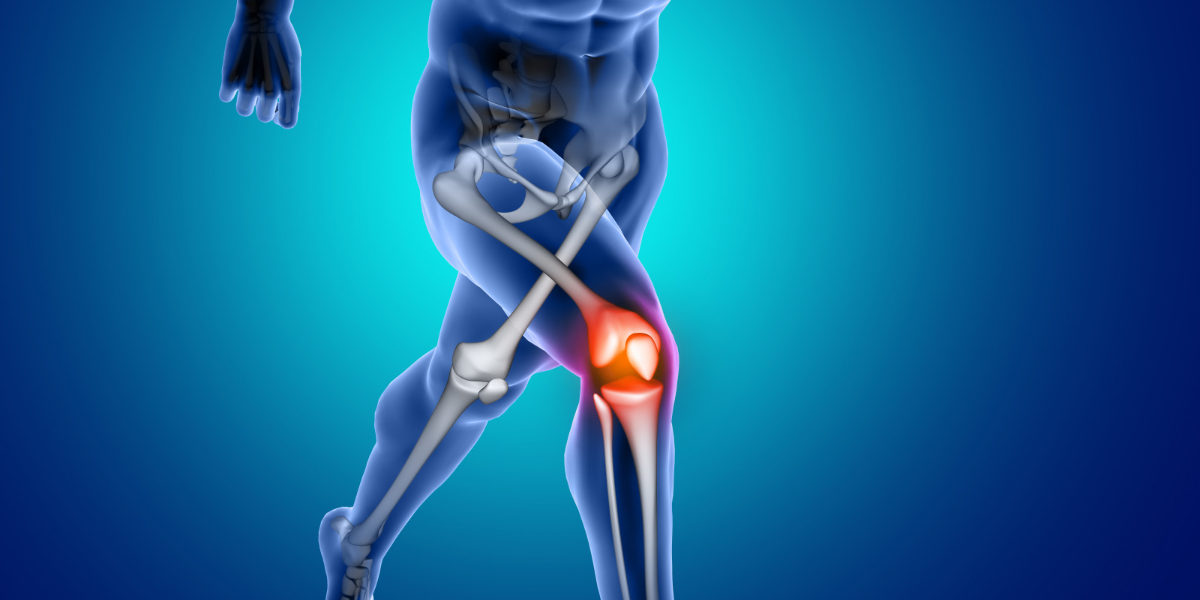
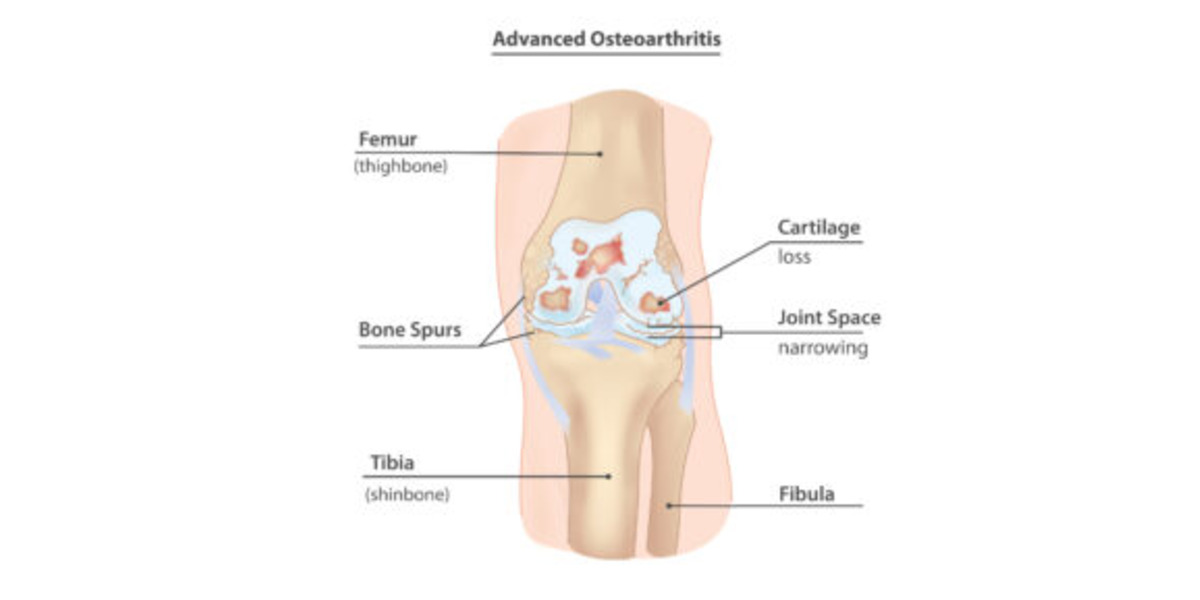
Featured image courtesy of InjuryMap.
Joint degenerative diseases, such as Osteoarthritis, are an increasing cause of pain and disability in millions of people worldwide, per Sanchez-Adams et. al. As a culture of intense, nonstop work is promoted, people incline to not give their bodies enough time to rest, which has increased the cases of joint injuries, especially those to the lower body; specifically in those populations that are exposed to high intensity physical activity. This is concerning, since it has been discovered that joint injuries provoke an alteration in how these joints distribute loads, drifting from their physiological, or typical/natural, behavior, as demonstrated by Ko et. al. Consequently, this affects the biological response of the bone and cartilage that compose that affected joint, leading to potential degeneration due to the altered mechanotransduction (interpretation of mechanical signals to biochemical ones) interactions of the cell and cartilage forming cells, osteocytes and chondrocytes. This degeneration is what characterizes the concerning and debilitating Osteoarthritis (OA). This leads us to our questions: Why does the altered loading affect my joints? If I suffer an injury, can I prevent the degeneration of my joints and live a long, healthy life?
Continue ReadingWhy Do Your Fingers Make A “Pop” Noise When You Crack Your Knuckles?
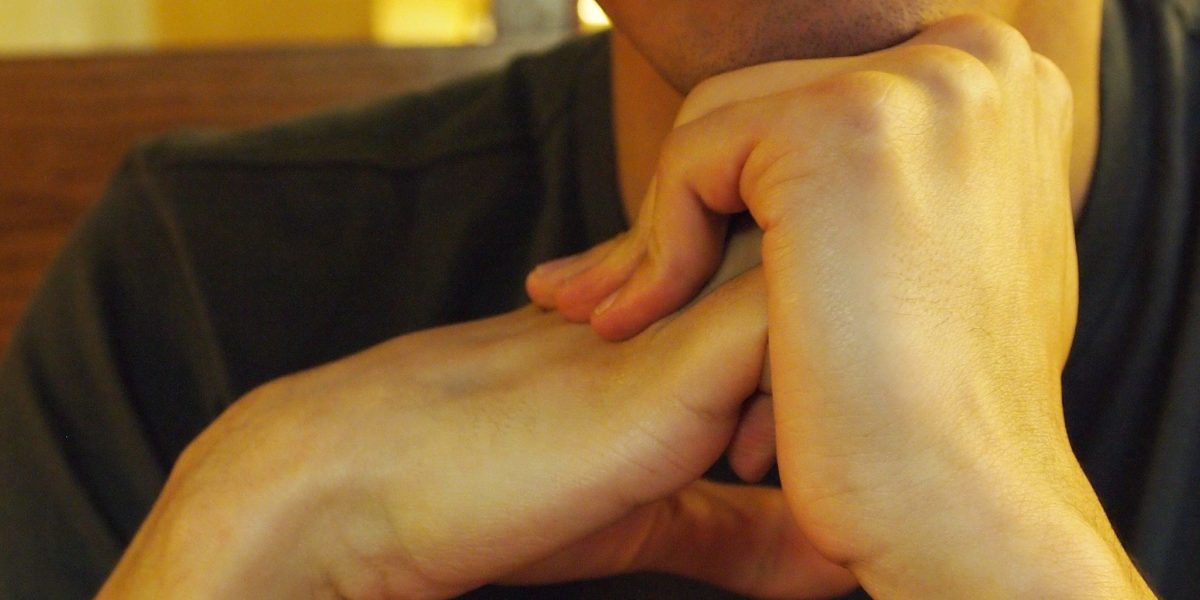
When cracking your knuckles, one tends to hear a “pop” noise that is loud, sharp, and irritating to most. This noise can be addicting in the sense that it makes others want to crack their knuckles. The main questions that I focused my research on were “Does cracking your knuckles or joints cause potential health issues for your future?” and “ Why does cracking a joint such as your knuckles make a “pop” noise?”
Continue reading “Why Do Your Fingers Make A “Pop” Noise When You Crack Your Knuckles?”Turning Back the Clock with Science
While regenerative medicine may not be time travel, recent research advances have given hope for using scaffolds as a potential treatment for osteoarthritis, a common form of arthritis.
Continue reading “Turning Back the Clock with Science”Arthritis is NOT Just For The Elderly: Early Signs Of Rheumatoid Arthritis
Rheumatoid arthritis (RA) is a chronic autoimmune disease that, according to the Arthritis Foundation, affects 1.5 million people in the US. Women are 3 times more likely to develop RA and are usually diagnosed between ages 30 and 60, while men are rarely diagnosed before the age of 45.
Continue reading “Arthritis is NOT Just For The Elderly: Early Signs Of Rheumatoid Arthritis”Tearing and repairing the meniscus
How does someone go from being the youngest NBA MVP one year to barely making headlines the next? Ask Derrick Rose. After being named the youngest MVP in the NBA, Derrick Rose tears his ACL the next year and then tears his right meniscus twice in the span of three years. Knee injuries have not been kind to Derick Rose, but how does one tear their meniscus and how does it get repaired?
Continue reading “Tearing and repairing the meniscus”Canine Hip Dysplasia: What You Should Know
Canine hip dysplasia (CHD) is a degenerative hip disease that tends to develop in large breed dogs, such as the Bernese Mountain Dog, affectionately referred to as Berners. CHD significantly decreases the quality of life of a dog and often leads to complete immobility if left untreated. Experts estimate that about 28% of Berners are affected by dysplastic hips, making them the 8th most susceptible dog breed.
Continue reading “Canine Hip Dysplasia: What You Should Know”Runner’s Knee: Knee Pain Isn’t Just for Old People
Don’t knee problems only plague old people or people who have run for a lifetime? I questioned this when, for the seventh time in a row, my knee was hurting only a mile and a half into my run. I’m too young for this! However, a plethora of information suggests that knee pain is perhaps not so uncommon in younger runners and athletes as I thought.
Continue reading “Runner’s Knee: Knee Pain Isn’t Just for Old People”