
Though all designed for the same essential function, human feet vary significantly in their structure between individuals. The most significant difference in foot structure is the arch, referring to the curve between the ball of your foot and the pad on your heel. The foot arch can range from a very high visible arch all the way to what is considered flat feet, with no visible arch and almost the entire sole of the foot making contact with the ground. This difference in structure changes the biomechanics of the foot, in turn changing the way we walk, run, jump, and complete any athletic feat. So how exactly do our arches play into athletic performance?
Continue reading “Arch Rivals: How the Biomechanics of Arched and Flat Feet Impact Athletics”Tag: running
Running and Dancing: What Our Achilles Tendons Can Handle

Imagine trying to withstand a force 12 times your own body weight. Sounds impossible, yet that’s what your Achilles tendon (AT) does during something as simple as running. As the strongest tendon in the body, it’s essential for every movement. But the same repetitive motions that strengthen this tendon can also lead to injury. Achilles tendinopathy, pain and swelling along the tendon, is one of the most common overuse injuries in both runners and dancers. So how can similar motions account for both AT strength and damage?
Continue reading “Running and Dancing: What Our Achilles Tendons Can Handle”Ostrich-ized From Flight, But Not From Stride: The Unique Biomechanics of the World’s Fastest Bird

Ostriches are the largest two-footed bird. While they are unable to fly, they are the fastest running birds in the world, reaching speeds of up to 43 mph. But how are these large birds able to reach such fast speeds? Understanding the kinematics of ostrich motion compared to humans can reveal to us important information that can help when designing human-based technologies.
Continue reading “Ostrich-ized From Flight, But Not From Stride: The Unique Biomechanics of the World’s Fastest Bird”How do Super Shoes Affect Running Performance?

When Conner Mantz recently broke the American record in the marathon, the shoes he wore made him faster. Super shoes improve running economy, a measure of the energy cost to run at a specific speed, by about 4%, leading to a 2% performance improvement in distance events. Super shoes have a curved carbon-fiber plate embedded in a thick midsole of bouncy, light foam. Runners have broken all world records in distance events since super shoes were released in 2016. How do super shoes make runners faster?
Endurance Performance: The Biomechanics of VO2 Max and Muscle Fatigue in Endurance Sports

Endurance athletes, ranging from marathon runners to long-distance cyclists, are frequently faced with the mechanical limits of their muscles and bodies. But what sets these limits? A key limitation is the anaerobic threshold. The anaerobic threshold is the point at which the body shifts from aerobic to anaerobic metabolism, which causes a buildup of lactate and ultimately muscle fatigue. This is particularly an issue for endurance athletes because is limits the athlete’s ability to sustain force production and resist fatigue, lowering their endurance capabilities.
Read More: Endurance Performance: The Biomechanics of VO2 Max and Muscle Fatigue in Endurance Sports Continue reading “Endurance Performance: The Biomechanics of VO2 Max and Muscle Fatigue in Endurance Sports”The Science Behind Load Management: How Isometrically Overloading Tired Knees Can Promote Growth and Healing
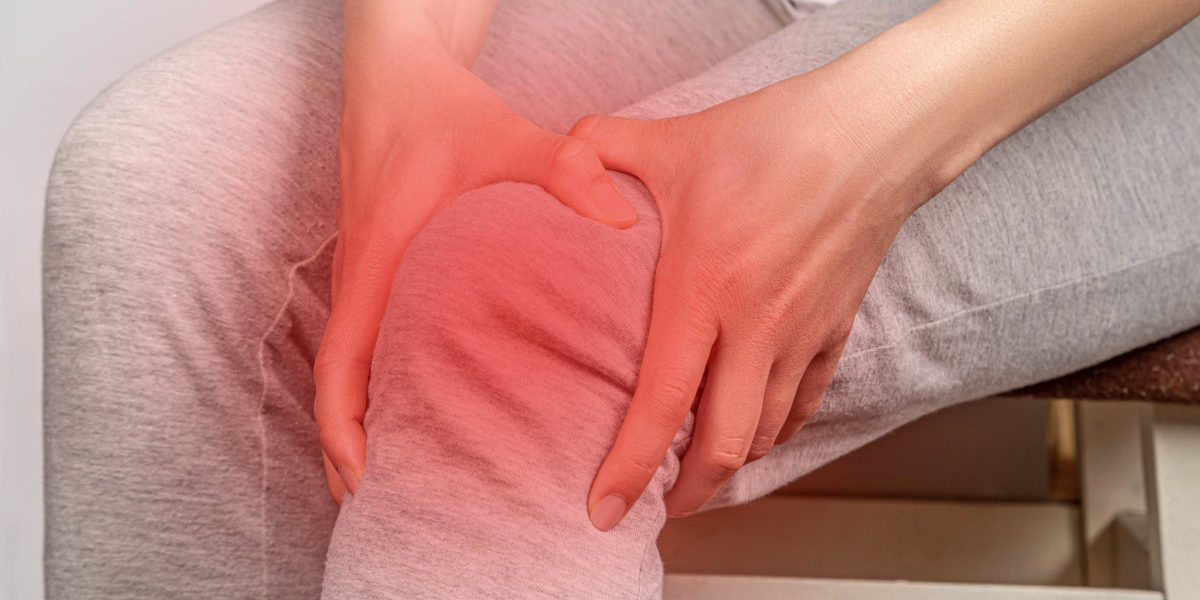
Many athletes who experience pain right below the kneecap after a spike in volume of explosive physical activities (ie. running/jumping) are diagnosed with patellar tendonitis, commonly referred to as runner’s or jumper’s knee. The suffix “itis” is Greek for inflammation and a common remedy is rest to reduce the inflammation. In some cases, an initial rest period combined with physical therapy to strengthen surrounding muscles such as the hip flexors and gluteus medius is enough to alleviate the knee pain for good, in other cases the rest is of no benefit or even worsens the patellar tendon’s condition and starts a chronic cycle of resting and then returning to activity in more pain than before. In these cases a more accurate diagnosis of patellar tendinopathy is correct. Patellar tendinopathy implies chronically recurring pain on the anterior of the knee that is difficult to treat. In such cases, an MRI often reveals small lesions throughout the patellar tendon indicating that the tendon is structurally damaged and not just inflamed. A better understanding of the patellar tendon’s biological composition, and biomechanical function may help to resolve future cases of patellar tendinopathy.
Continue reading “The Science Behind Load Management: How Isometrically Overloading Tired Knees Can Promote Growth and Healing”How Much Can Running World Records Improve?

100 years ago, it was thought to be impossible to break 4:00 in the 1 mile race. Now, since 1954, there have been over 1600 runners to break the illustrious barrier, including nearly 20 high school athletes.
Continue ReadingThe Present and Future Implications of Advanced Prosthetic Limbs in Sports
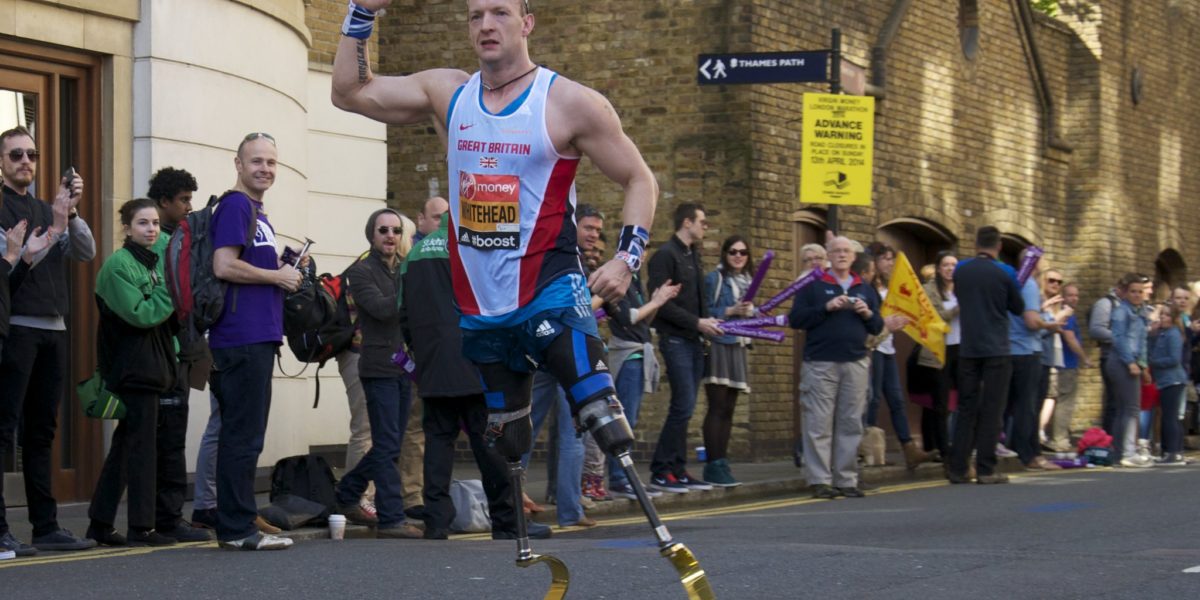
In this podcast, my guests and I get into detailed discussion and debate on prosthetic limb use in modern-day, and future Paralympic and Olympic sport. We discuss the intricacies of the biomechanics of these devices, and we have ethical discussions as to what should and should not be allowed in sport. Furthermore, we expand our discussion to neurological implants, and their connection to advanced prosthetic limbs, finishing with a discussion of the implications of these devices to the future of society.
Runner’s High (with guest speaker Emily Nist)

A discussion about the biomechanics behind running at altitude, including the effects of altitude on the body, how to combat it, and how to utilize it to enhance running performance.
An Exploration Into The Growth Of The Heart As A Result Of Certain Exercise
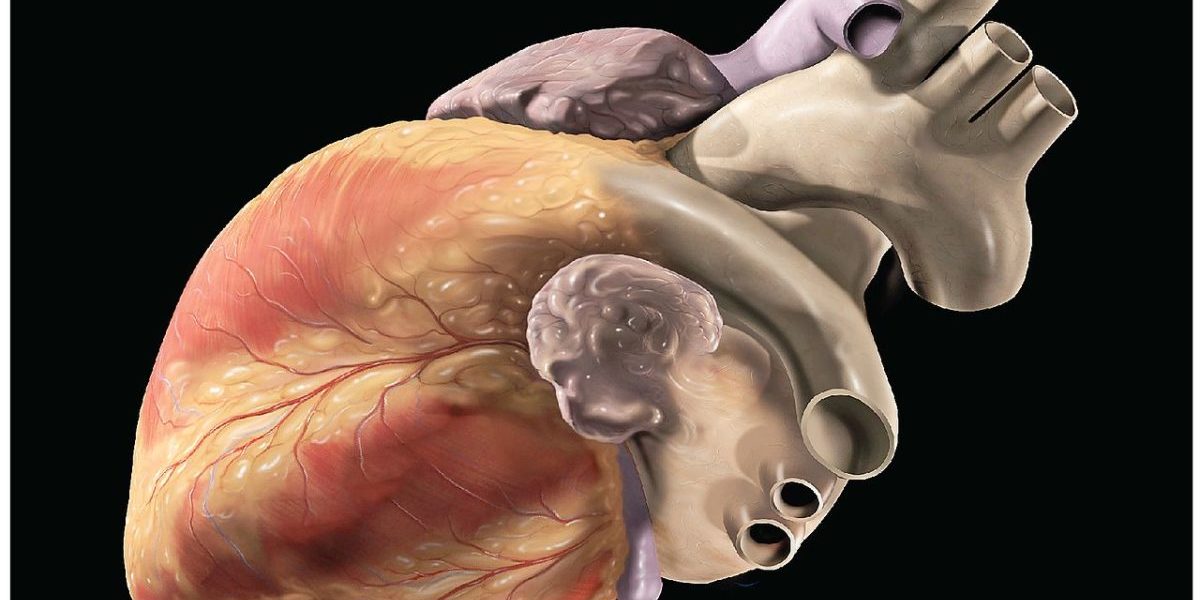
Have you ever wondered what happens to your heart when you begin to consistently exercise? How does the heart change and why? Well, the answer may not be very complicated.
During intense exercise, our heart is put under stress as it has to rapidly pump blood throughout the body. The heart often responds to this by increasing its size, but it does not do this like our other muscles. The heart has to add mass to its existing cells instead of adding new cells as we only have a limited amount of cardiac muscles; the amount we are born with is all we have. The health of our hearts is important. In the US, heart disease and injury are the number 1 cause of death. So, it is in our best interests to learn more about our health so as to minimize our risks of heart-related ailments.
Continue reading “An Exploration Into The Growth Of The Heart As A Result Of Certain Exercise”