
We have all likely heard the saying, “Work smarter not harder.” While this is generally referenced in an academic setting, it is also very applicable in athletics! One of the benefits to being a runner is that it’s a sport people can participate in at any age and nearly anywhere. Unfortunately, however, anywhere from 65-80% of runners get injured in a given year. A large portion of these injuries are related to overuse.
Continue reading “Work Smarter Not Harder!”Tag: running
Ankle Sprains: An Epidemic in the World of Athletics

Have you ever been out running on a gorgeous fall day, only to have the run cut short by a painful misstep on a tree root covered by leaves? I have, and let me tell you – it’s awful! And even if you aren’t a runner, according to the Sports Medicine Research Manual, ankle sprains are a common, if not the most common, injury for sports involving lower body movements. Now, the solution to preventing this painful and annoying injury could be as simple as avoiding tree roots and uneven ground, but the real problem behind ankle sprains deals with the anatomy of the ankle.
Continue reading “Ankle Sprains: An Epidemic in the World of Athletics”Why Not Running Could Lead to Bad Bone Health

Is staying active and fit enough to avoid bone loss? Maintaining high bone mineral density (BMD) is important for preventing osteoporosis, fractures, and other conditions associated with bad bone health. However, high-impact sports that often involve running or jumping might be necessary in order to preserve and improve BMD among athletes of all ages. Low-impact sports (such as cycling) as well as weight training may not be enough to maintain high BMD and avoid associated health risks.
Continue reading “Why Not Running Could Lead to Bad Bone Health”A Mystery: How Can Distance Runners Avoid the Most Common and Dreaded Injury?
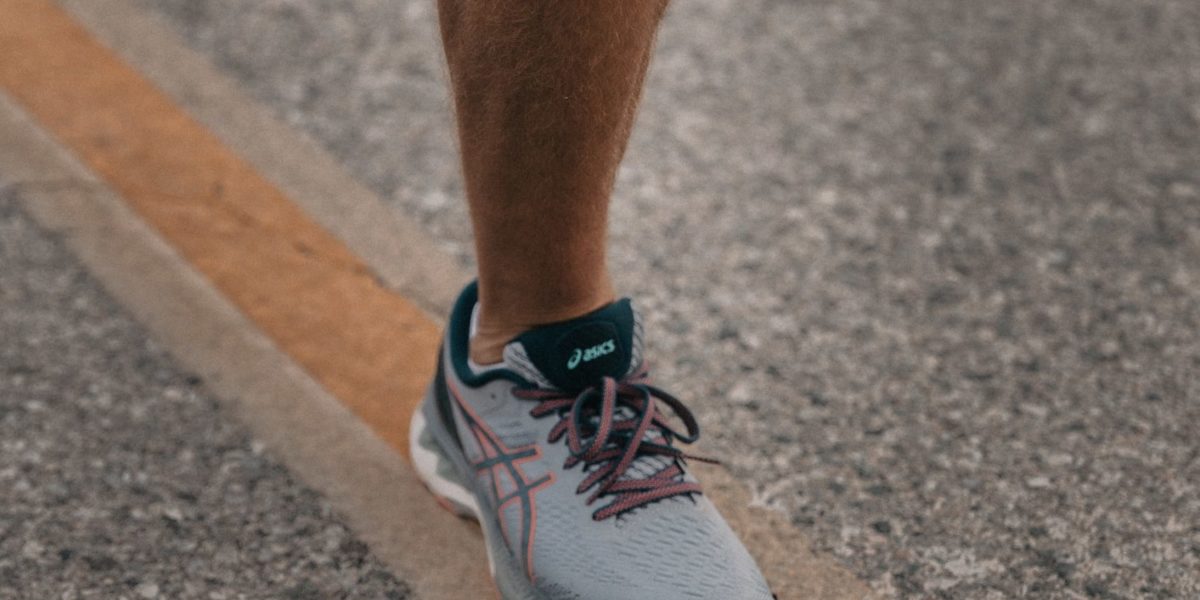

Stress fractures are small cracks in the bone produced by repetitive stress. The most common locations include the tibia, fibula, and navicular bone. An article by Crowell and Davis on gait analysis stated the occurrence of bone stress injuries in track and field athletes (male and female) to be as high as 21%. Furthermore, approximately 50% of female track and field athletes have had at least one stress fracture. Bone stress injuries can have a devastating effect on the athlete, their team, and the willingness of these runners to continue to compete. The only treatment for stress fractures is to completely stop running for an average of 6-8 weeks. Runners have no clear and confirmed guidance on injury prevention or appropriate volume of training.
Continue reading “A Mystery: How Can Distance Runners Avoid the Most Common and Dreaded Injury?”What an Optimized Running Gait Can Do for You

Running is one of the oldest and most common forms of exercise, but there are many ways that running mechanics vary from person to person. Identifying the different running gaits is important so that their efficiencies and effects on the body can be analyzed. Injuries in runners are common and having an understanding of how different gaits apply stresses on the body differently can be used to educate runners on how to run in a way that will reduce the risk of injury.
Continue reading “What an Optimized Running Gait Can Do for You”Runner’s Knee: Knee Pain Isn’t Just for Old People
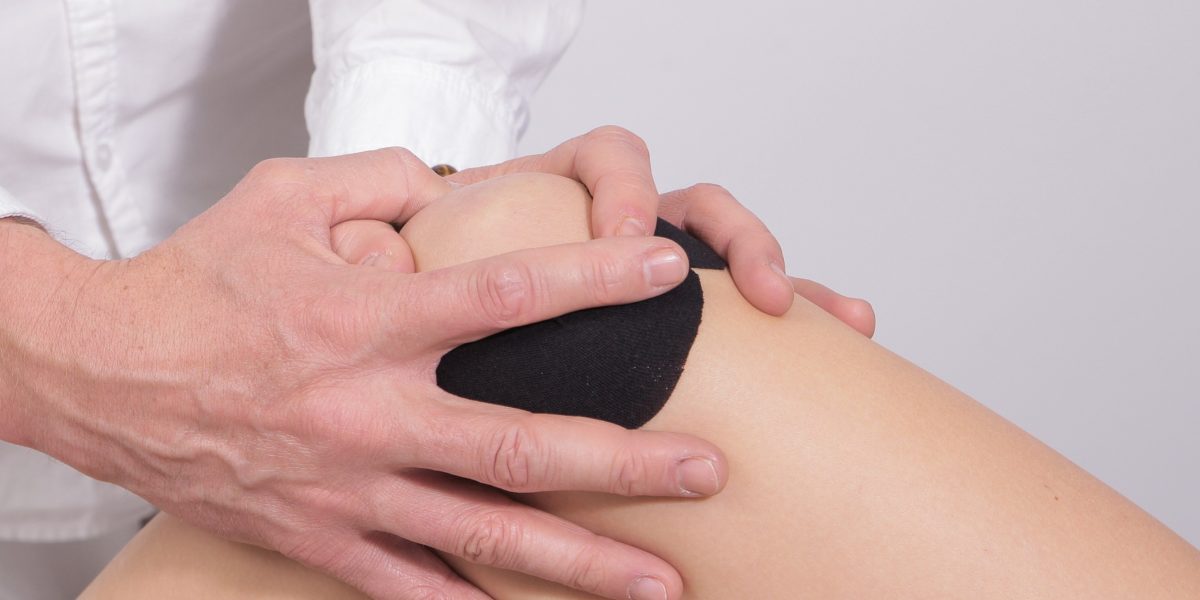
Don’t knee problems only plague old people or people who have run for a lifetime? I questioned this when, for the seventh time in a row, my knee was hurting only a mile and a half into my run. I’m too young for this! However, a plethora of information suggests that knee pain is perhaps not so uncommon in younger runners and athletes as I thought.
Continue reading “Runner’s Knee: Knee Pain Isn’t Just for Old People”The Unfair Advantage: Prosthetics and Their Role in the Olympics
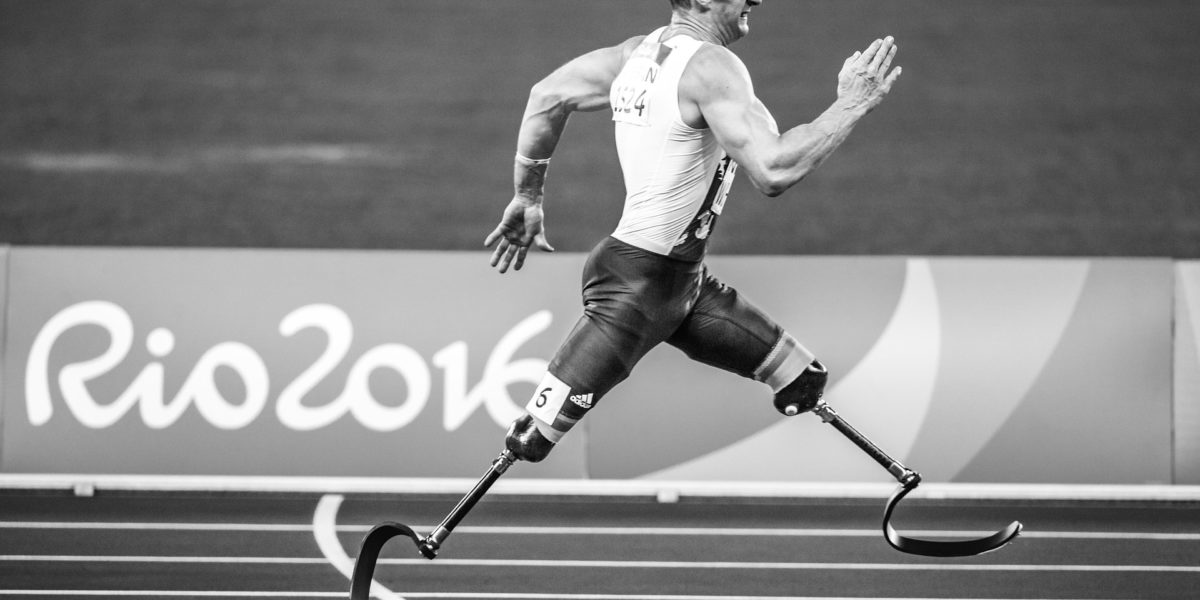
In 2012, the “Blade Runner” Oscar Pistorius became the first double amputee to compete in the Olympics. Ever since this historic occasion, the issue of whether prosthetics should be allowed in athletics has been a topic of controversy in the media. Do prosthetics give amputees an advantage over able-bodied athletes? Are athletes with prosthetics capable of running faster and performing better than able-bodied athletes?
Continue reading “The Unfair Advantage: Prosthetics and Their Role in the Olympics”Walk [Under] Water: The Benefits of Underwater Running
![Walk [Under] Water: The Benefits of Underwater Running](https://sites.nd.edu/biomechanics-in-the-wild/files/2019/03/hydrotrack-e1680741443448-1200x600.jpg)
Just because you can’t walk on water doesn’t mean you shouldn’t run under it!
Aqua-jogging. Hydro-running. Water-treadmills. Have you ever heard some combination of these terms and wondered what the hype is?
Continue reading “Walk [Under] Water: The Benefits of Underwater Running”Women in Endurance Athletics: The Further, the Faster

In the majority of athletic events, men have long outperformed women. This is due to a combination of factors including physiological differences, societal norms, and legislation. But in the last few decades, there has been a noticeable swing in the realm of endurance athletics. Now more than ever, women are closing the gap with respect to their male counterparts in ultra-long distance races, including running, biking and swimming. In some cases, women are even outperforming men at the elite level, winning a number of top-tier events. So what are the reasons for this changing of the guard, and why is it happening now?
Continue reading “Women in Endurance Athletics: The Further, the Faster”Do Running Injuries Depend on the Running Surface?

Imagine that you are on your typical route for a morning run when you decide to change things up. Instead of following the path of the sidewalk like usual, you take a shortcut across the soft grass and run alongside the concrete for awhile. No big deal, right?
Continue reading “Do Running Injuries Depend on the Running Surface?”