Simone Biles, Michael Phelps, Patrick Mahomes, and Shohei Ohtani are all athletes who have benefited from hypermobile joints. However, hypermobility can be both a blessing and a curse. Joint hypermobility, or “double-jointedness”, is when joints are able to move beyond their normal range of motion, and the connective tissue holding joints together is loose or weak. Most people with hypermobile joints do not experience any issues, but some suffer from ligament and tendon injuries, joint pain, tiredness, anxiety disorders, and bowel issues.
Continue reading “Double-Jointedness: the Benefits and Drawbacks of Hypermobility”Tag: cartilage
From Strain to Pain: Role of Altered Loadings at Joints as Onset for Osteoarthritis (OA)
Featured image courtesy of InjuryMap.
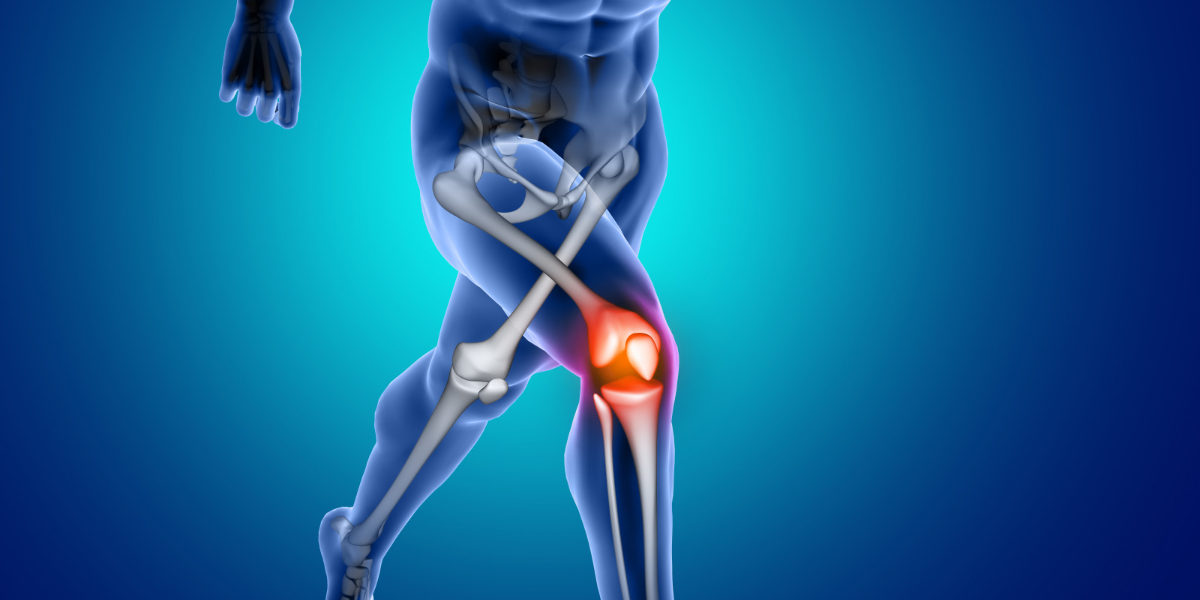
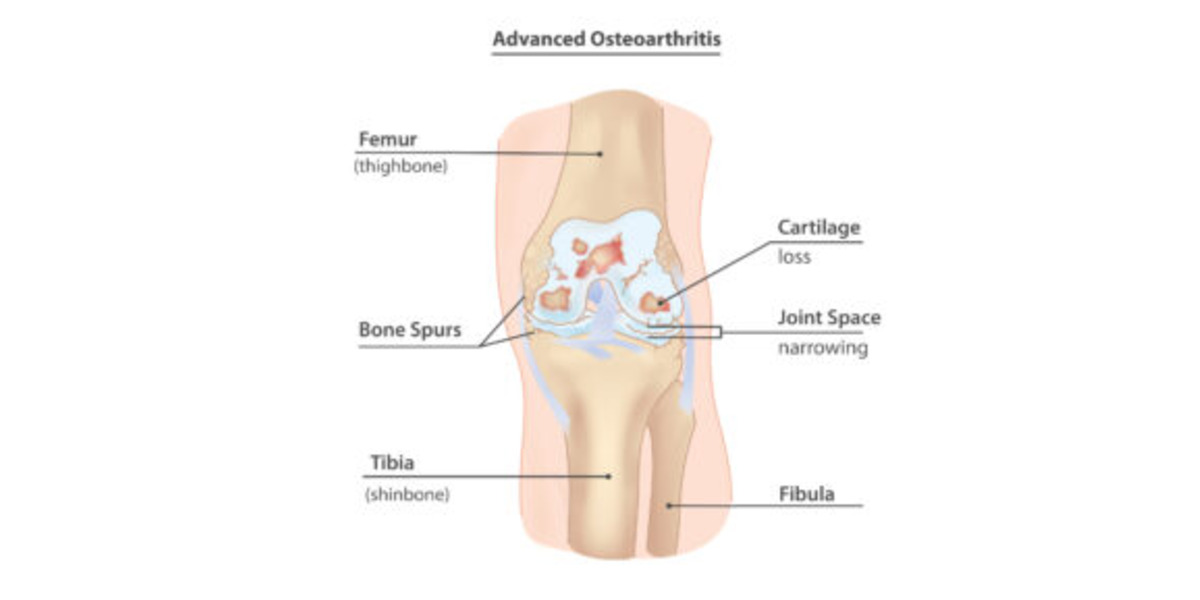
Joint degenerative diseases, such as Osteoarthritis, are an increasing cause of pain and disability in millions of people worldwide, per Sanchez-Adams et. al. As a culture of intense, nonstop work is promoted, people incline to not give their bodies enough time to rest, which has increased the cases of joint injuries, especially those to the lower body; specifically in those populations that are exposed to high intensity physical activity. This is concerning, since it has been discovered that joint injuries provoke an alteration in how these joints distribute loads, drifting from their physiological, or typical/natural, behavior, as demonstrated by Ko et. al. Consequently, this affects the biological response of the bone and cartilage that compose that affected joint, leading to potential degeneration due to the altered mechanotransduction (interpretation of mechanical signals to biochemical ones) interactions of the cell and cartilage forming cells, osteocytes and chondrocytes. This degeneration is what characterizes the concerning and debilitating Osteoarthritis (OA). This leads us to our questions: Why does the altered loading affect my joints? If I suffer an injury, can I prevent the degeneration of my joints and live a long, healthy life?
Continue ReadingHip Hip Hooray: Joint Functionality Can Be Restored After Hip Labral Tear
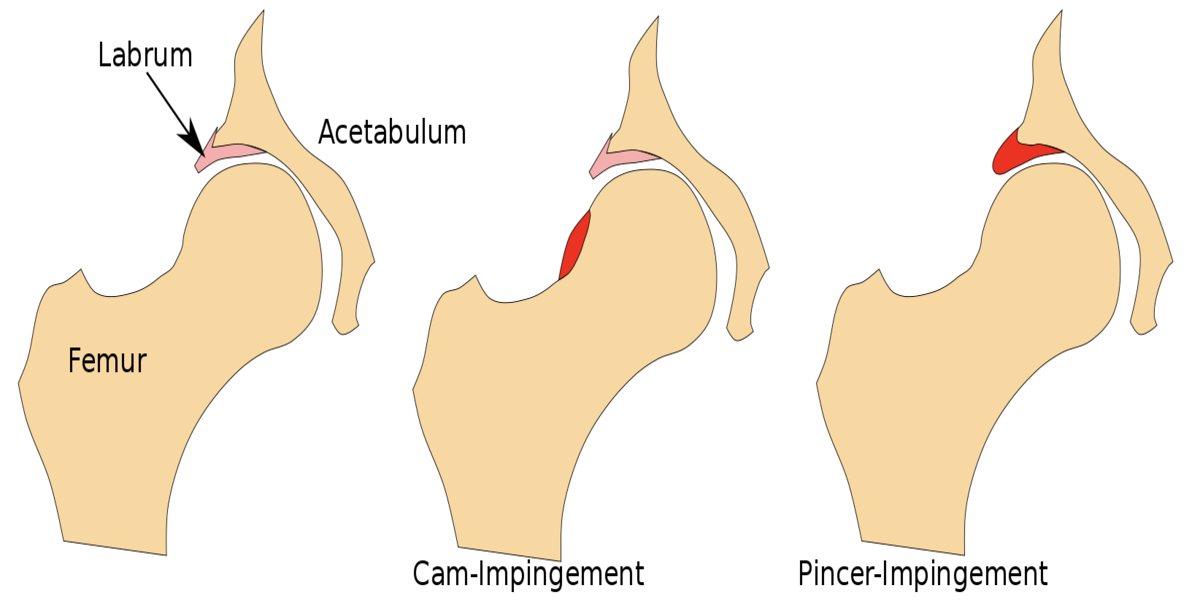
Do you experience deep, sharp pain in your groin? Or a feeling of “catching” or “popping” in your hip joint as you go about your daily activities? Is your range of motion you once had now severely limited? If so, you could be experiencing symptoms of a hip acetabular labrum tear, an ever-increasing problem in society that fortunately, has effective treatments.
Continue reading “Hip Hip Hooray: Joint Functionality Can Be Restored After Hip Labral Tear”Turning Back the Clock with Science
While regenerative medicine may not be time travel, recent research advances have given hope for using scaffolds as a potential treatment for osteoarthritis, a common form of arthritis.
Continue reading “Turning Back the Clock with Science”Pressurized Vessels Supporting the Spine: Structure and Function of Intervertebral Discs
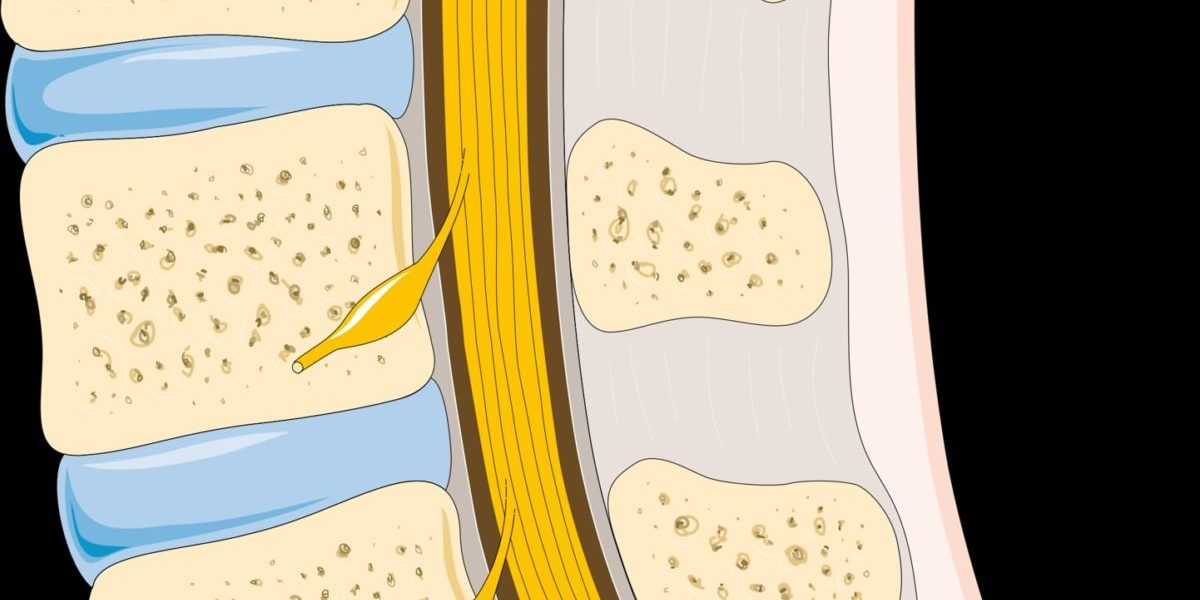
Back in 1989, it was estimated that about 2.5 million U.S. workers suffered from low back pain, and low back pain has even been talked about as one of the largest causes of disability in the world. Intervertebral disc degeneration is one of the most common reasons for low back pain in adults. In order to understand how disc degeneration occurs and causes pain, it is important to examine the structure and function of discs in the back.
Continue reading “Pressurized Vessels Supporting the Spine: Structure and Function of Intervertebral Discs”Tearing and repairing the meniscus
How does someone go from being the youngest NBA MVP one year to barely making headlines the next? Ask Derrick Rose. After being named the youngest MVP in the NBA, Derrick Rose tears his ACL the next year and then tears his right meniscus twice in the span of three years. Knee injuries have not been kind to Derick Rose, but how does one tear their meniscus and how does it get repaired?
Continue reading “Tearing and repairing the meniscus”The Shoulder: Super Joint or Super Hazard?
The shoulder joint is one of the most incredible joints in the human body. Humans have been recorded throwing 100+ mph fastballs, pressing nearly 600lbs overhead, and performing incredible gymnastics moves. The shoulder is a ball-and-socket joint, and it is by far the most mobile joint in the human body. But this great range of motion comes at the price of being the most unstable joint in the body.
Continue reading “The Shoulder: Super Joint or Super Hazard?”