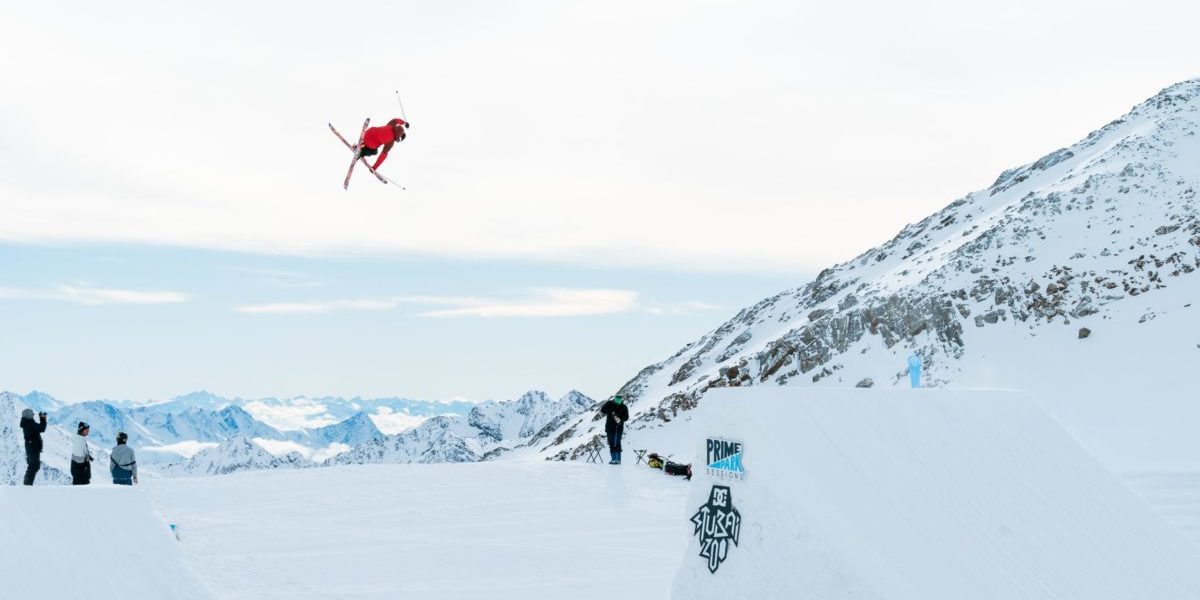
Have you ever watched the X-Games or Olympics or any other skiing or snowboarding competition and marveled at the sheer heights that the athletes achieve? Depending on the type of jump the skier goes off, they can reach heights of up to 50 feet off the ground. How exactly do the skiers land what are essentially free falls from such heights? Supposedly “survivable injuries” occur from falling heights above the “critical threshold” of 20-25 feet, so how do these athletes land from heights of up to double this?
Continue reading “Big Air: The mechanics of SKIERS and snowboarders landing after jumps”Tag: impact
Why Not Running Could Lead to Bad Bone Health

Is staying active and fit enough to avoid bone loss? Maintaining high bone mineral density (BMD) is important for preventing osteoporosis, fractures, and other conditions associated with bad bone health. However, high-impact sports that often involve running or jumping might be necessary in order to preserve and improve BMD among athletes of all ages. Low-impact sports (such as cycling) as well as weight training may not be enough to maintain high BMD and avoid associated health risks.
Continue reading “Why Not Running Could Lead to Bad Bone Health”How much wood can a woodpecker peck? The Science Behind a Woodpecker’s Anatomy

Have you ever wondered how a woodpecker is capable of banging its head against a tree so furiously without seriously injuring itself? The impact of a woodpecker’s beak with a tree can exceed speeds of up to 6 meters per second and occur over 12,000 times a day.These kinds of numbers are what allow woodpeckers to smash through trees to get to those tasty bugs that live inside.
Continue reading “How much wood can a woodpecker peck? The Science Behind a Woodpecker’s Anatomy”Concussion Chaos
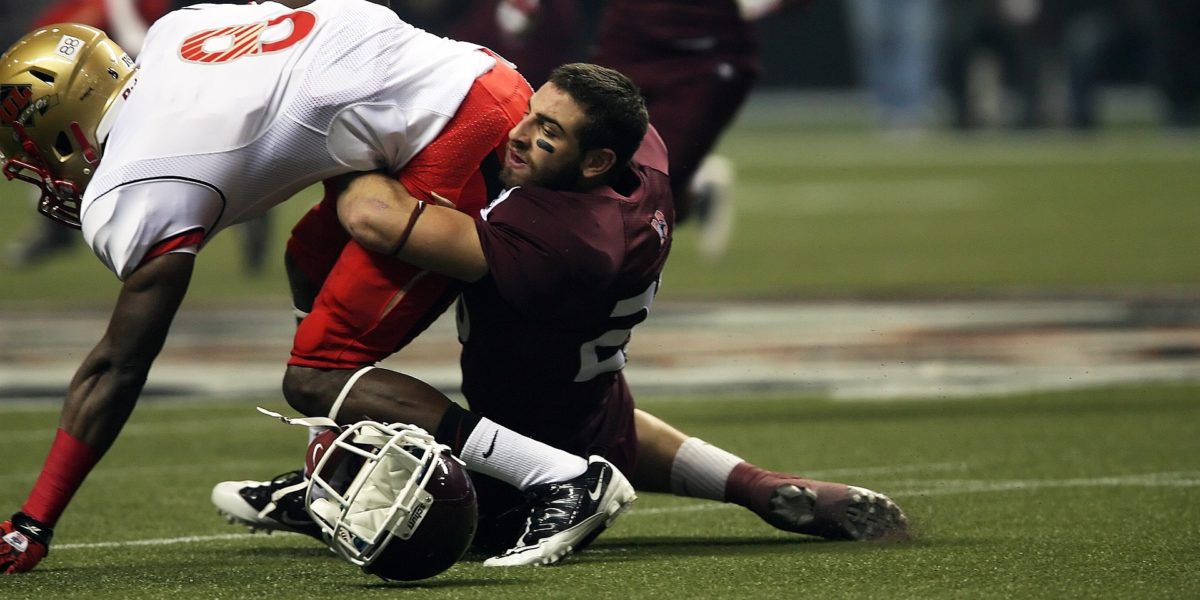
Traumatic brain injuries (TBI) are injuries to the brain due to some kind of trauma and are more commonly called concussions. All TBI are unique and are not created equally. “Sports Medicine,” “Biomechanics of Concussions,” and “Concussion Connection” shed some light on subject and determine what combination of forces and accelerations tend to cause the most damage to the brain.
Continue reading “Concussion Chaos”Artificial Turf: Game Changer or Game Ender?

Artificial turf fields were first introduced in the late 1960s and have grown tremendously in popularity since. Today, artificial turf fields can be found at all levels of sport, from youth league to professional, and across many different sporting disciplines. A major reason they are so popular is because they offer a consistent, low-maintenance, year-round green playing field in all weather conditions and climates. However, despite the benefits they provide, artificial turf fields are not without controversy. Even though artificial turf mimics grass in appearance, its properties are much different.
Continue reading “Artificial Turf: Game Changer or Game Ender?”Walk [Under] Water: The Benefits of Underwater Running
![Walk [Under] Water: The Benefits of Underwater Running](https://sites.nd.edu/biomechanics-in-the-wild/files/2019/03/hydrotrack-e1680741443448-1200x600.jpg)
Just because you can’t walk on water doesn’t mean you shouldn’t run under it!
Aqua-jogging. Hydro-running. Water-treadmills. Have you ever heard some combination of these terms and wondered what the hype is?
Continue reading “Walk [Under] Water: The Benefits of Underwater Running”Are Muscle Loads During Irish Dance Unsafe?
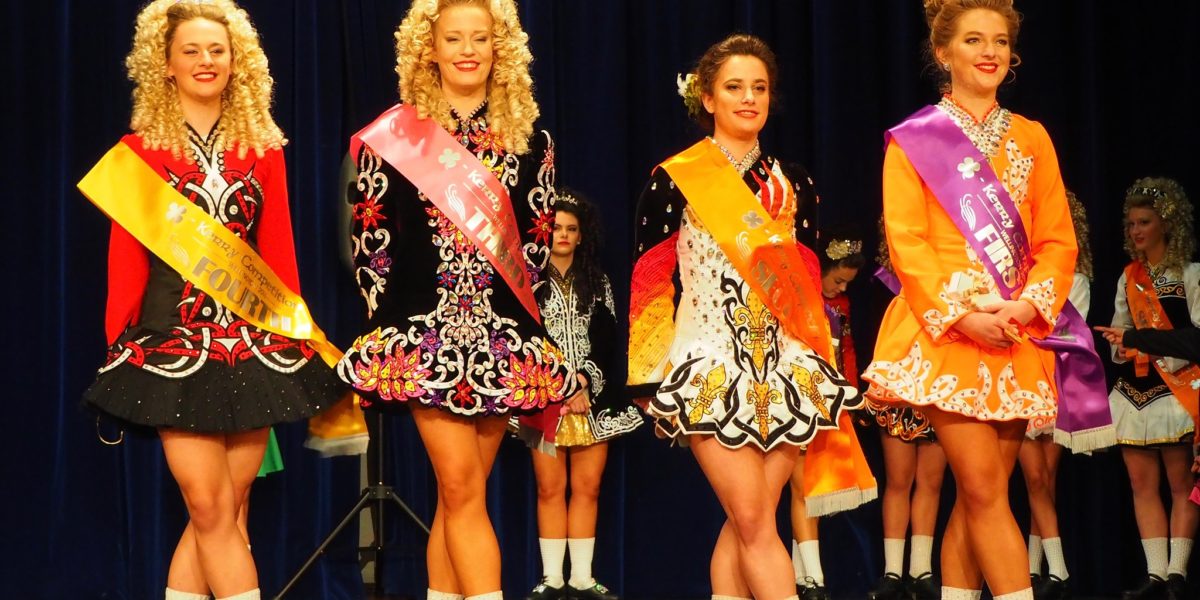
Do you think your ankle can bear loads more than 14 times your body weight? Can you look graceful while doing it?
This question is one of great importance for many athletes participating in high-impact sports. Dancers of all kinds have strived, for years now, to perfect the balance of athleticism and grace that their competitive markets demand. Achieving this balance is no simple feat, and many dancers fall victim to injuries during their countless repetitions of high impact leaps and landings, and Irish dancers are no exception. Researchers have recognized the need for biomechanical analysis of muscles and joints of Irish dancers, and created a model to do just that.
Continue reading “Are Muscle Loads During Irish Dance Unsafe?”