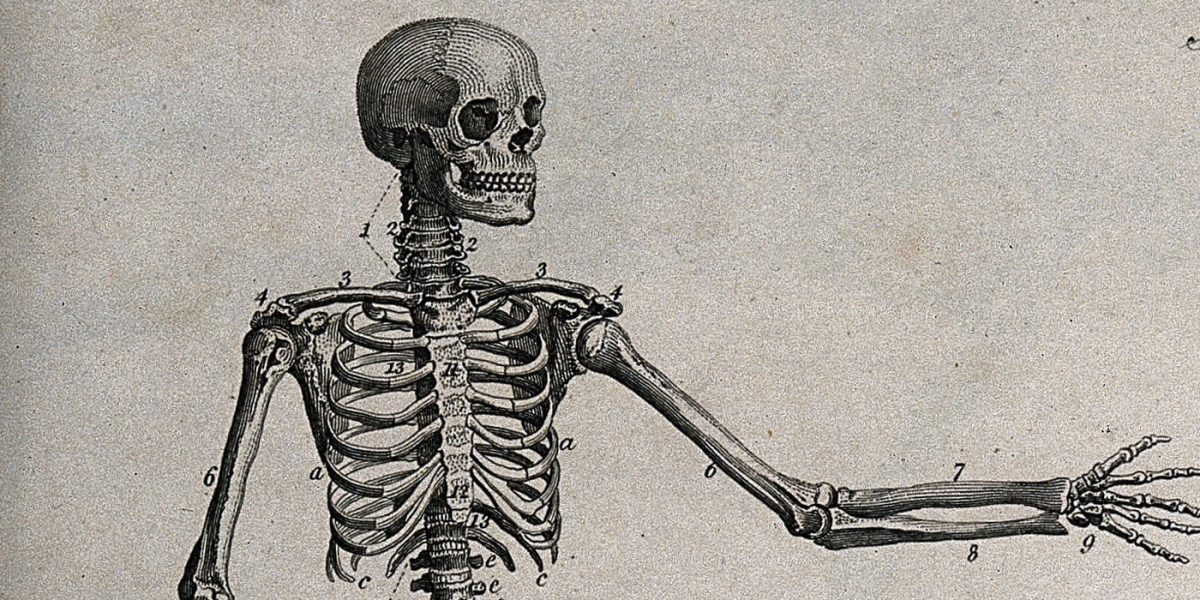
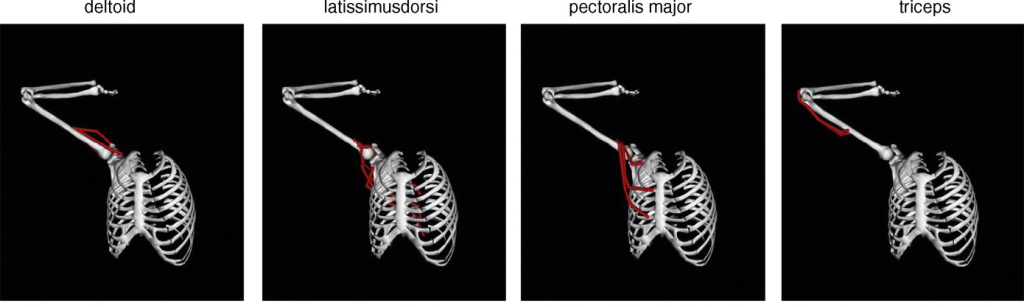
Bones are more than just spooky installments – they are the structural elements of the human body, like the steel girders of a skyscraper. They contain calcium-rich minerals and collagen fibers which are usually aligned along the long axis of the bone, known as the major axis. As a result, bones typically have material properties that are stronger in the axial direction. Nowadays, human bones can regularly experience forces much larger than loads that were experienced thousands of years ago. Especially in sports like powerlifting, these loads may be applied to bones in directions different than normally experienced during development. How does this affect bone structure in athletes today?
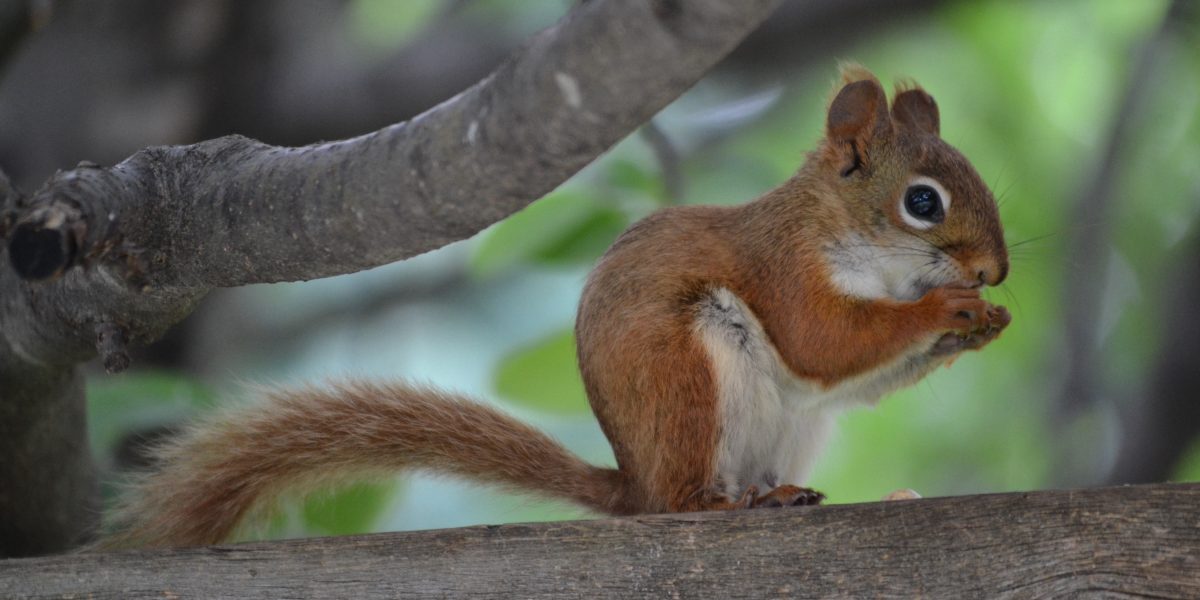
On April 13, 2022, a video uploaded to YouTube titled The End broke the internet. A former Blue Sky Studios Employee, who over the years helped animate the Ice Age movie franchise, posted an unreleased short scene that depicted Scrat, the crazed squirrel from the series, finally catching and eating the acorn he spent more than a decade fighting and almost perishing over.
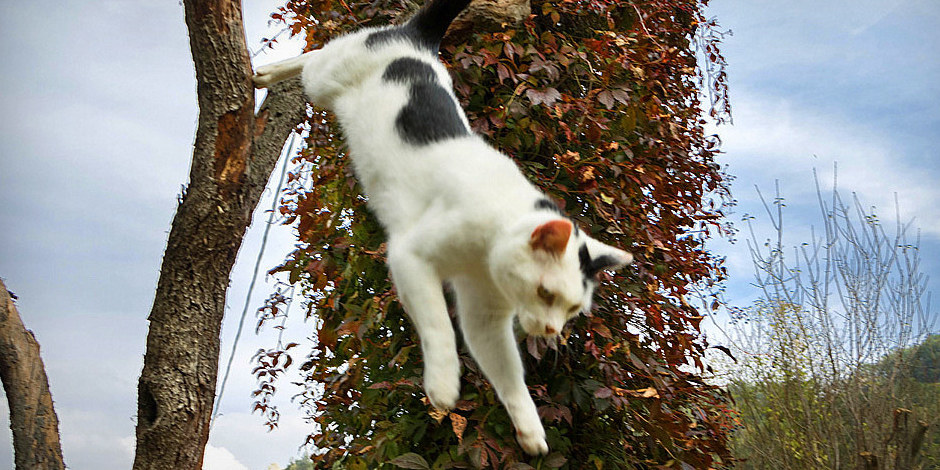
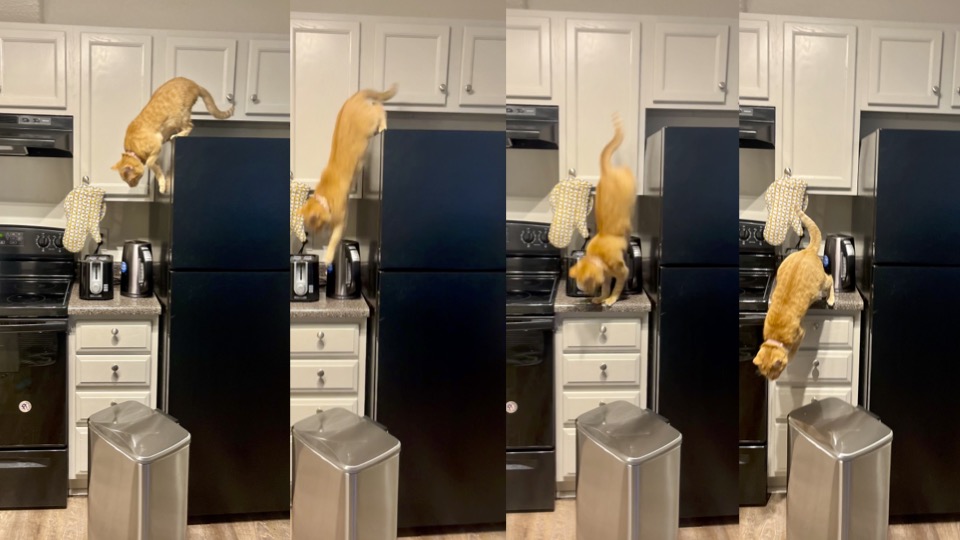
Cats always land on their feet, or so the saying goes. Every cat owner has witnessed their feline make death defying jumps and walk away like it’s no big deal. 90% of cats can actually survive falling off of a high rise building. But how do they do it? How do cats absorb the impact of their leaps without sustaining injuries?
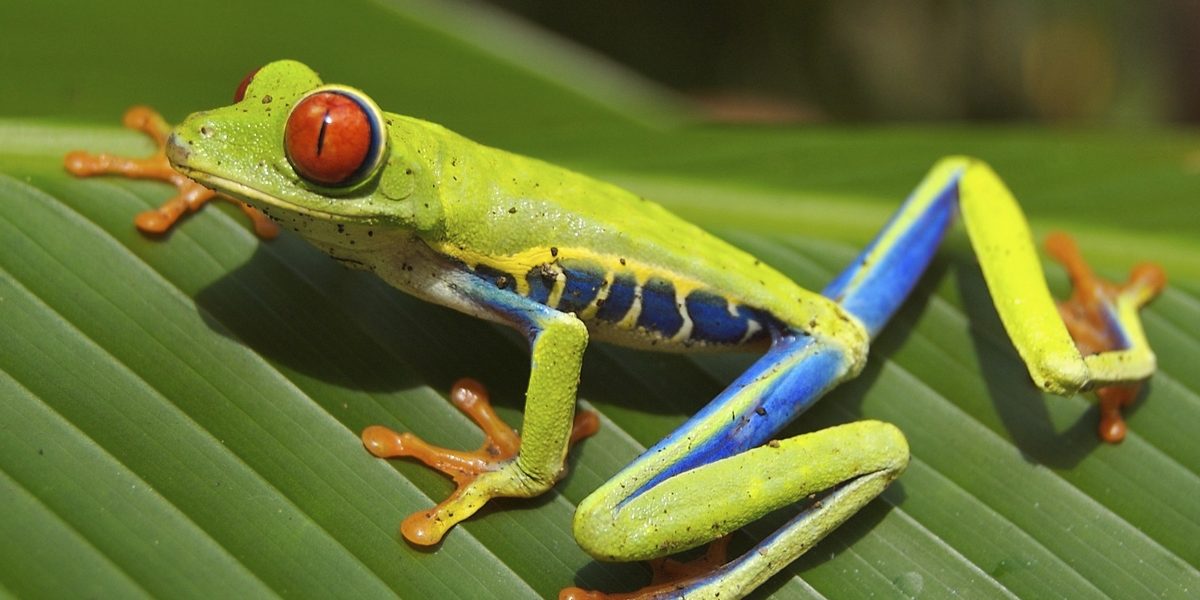
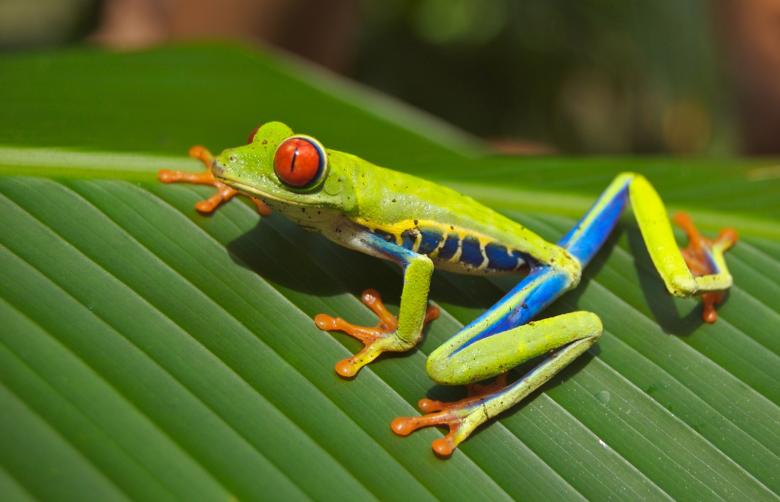
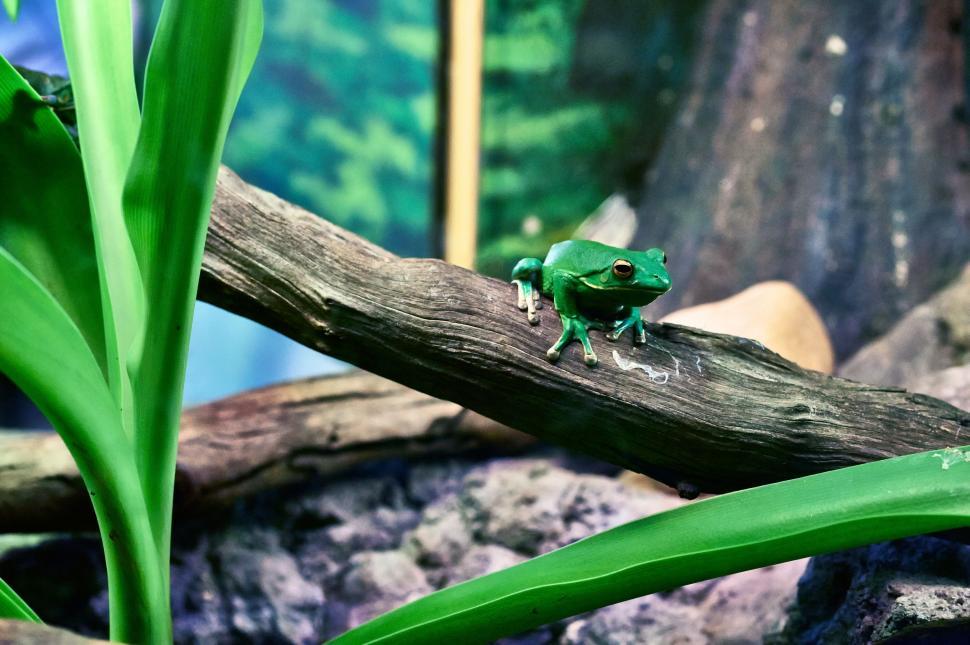
As a child, did you ever watch with awe as Spider-Man climbed lofty buildings in New York City? This super-power has captivated audiences for decades because it seems impossible that a tiny fingertip could provide such great strength. However, the powerful and sticky toes of the tree frog bring this super-power to reality. Their toes have round pads that can cling to surfaces, both wet and dry, due to biomechanical forces. What causes their toes to be so sticky?
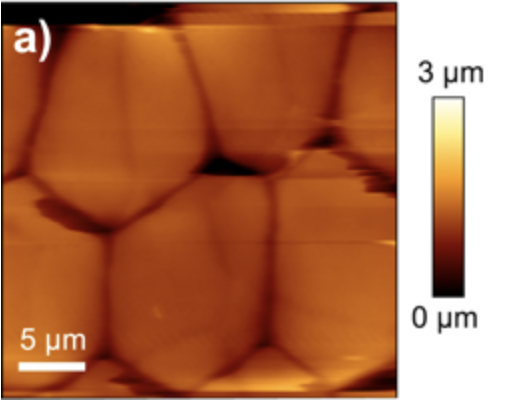
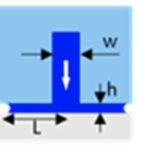
Polygonal epithelial cells of a tree frog toe pad with channels and micro-pillars. Modified from Kappl, Kaveh, & Barnes, Bioinspiration and Biomimetics 2016
The round toe pads of the tree frog are composed of four layers of surface cells known as epithelial cells. Epithelial cells line all surfaces of the body, including the external surfaces and internal cavities of the body, such as the inner surfaces of organs. The epithelial cells of the toe pad are shaped like hexagons and columnar. Columnar cells have a greater height than width and resemble small pillars. These microscopic pillars are separated from each other by channels filled with mucous. This unique structure creates a phenomenon known as wet adhesion.
The word “adhesion” likely prompts thoughts of everyday adhesives like glue and tape. But, what is wet adhesion? The molecules in liquids are attracted to each other and to the surface surrounding the liquid. In a small container, these attractions cause what are known as capillary forces. When a straw is placed in water, liquid climbs the side of the straw due to these forces. Wet adhesion is the attachment of two materials due to the presence of a liquid with capillary forces. A good example of wet adhesion is when a piece of plastic that is wet gets stuck to a glass table.
Pillar channels filled with mucous create a layer of liquid between the pad and the surface. Modified from Zhang et al., Biosurface and Biotribology 2022
In the toe pads, the mucous secreted into pillar channels creates a layer of liquid between the pad and the external surface, which encourages capillary forces. The liquid layer has also been found to encourage viscous forces. Viscous forces are caused by the attraction between liquid molecules. The attractive forces resist the horizontal movement of liquid molecules when a force is applied tangent to the liquid’s surface. Capillary and viscous forces allow tree frogs to adhere to surfaces at steep angles without sliding off.
Recent research has also shown that frictional forces play a role in toe pad adhesion. The stiffness of the surface of toe pads is not uniform. The polygonal epithelial cells at the surface of the pad have a higher stiffness than the material below. The flexibility of the material below the surface allows for better contour of the pad to a surface. The enhanced interaction with the surface imperfections causes frictional forces to resist sliding and encourage adhesion.
Photo by Pexels on Freerange Stock
The adhesive toe pads of tree frogs have inspired several engineering applications, including wet adhesive materials. Scientists are pursuing the fabrication of artificial materials that can mimic the characteristic micropillars of tree frog epithelial cells. For example, typical surgical tools, such as forceps, may struggle to effectively grasp softer tissues or increase the risk of tissue damage. Wet adhesive surgical graspers may provide a less abrasive method of holding soft tissues throughout a procedure. Tree frog-inspired wet adhesives may also be used to create sensors and monitors that can easily adhere to a patient’s skin. The study of wet adhesives has the potential to greatly benefit the medical field.
Why can some pitchers throw 105 mph and some only 85? Baseball players are continuously trying to throw the ball faster and hit the ball further. The lower body muscles, especially the gluteus maximus/medius, adductors and and other pelvic movers, are essentially what power the throw and what can directly increase pitch velocity. Learning how to efficiently use the muscles in the lower body while pitching will allow players to optimize their performance, train correctly off the field, and prevent injuries.
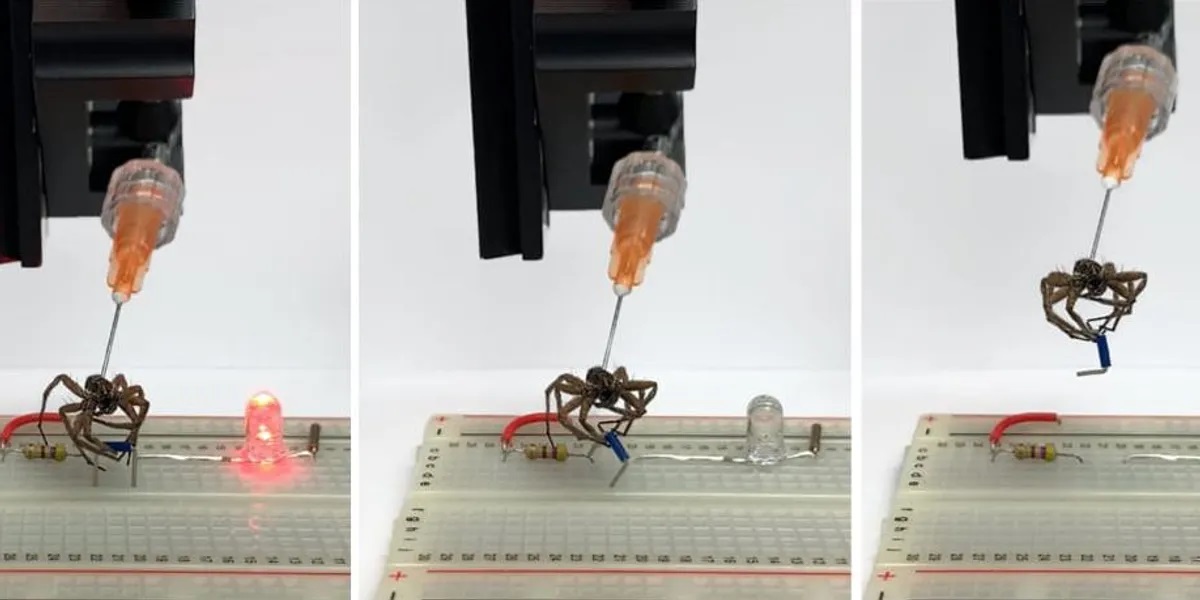
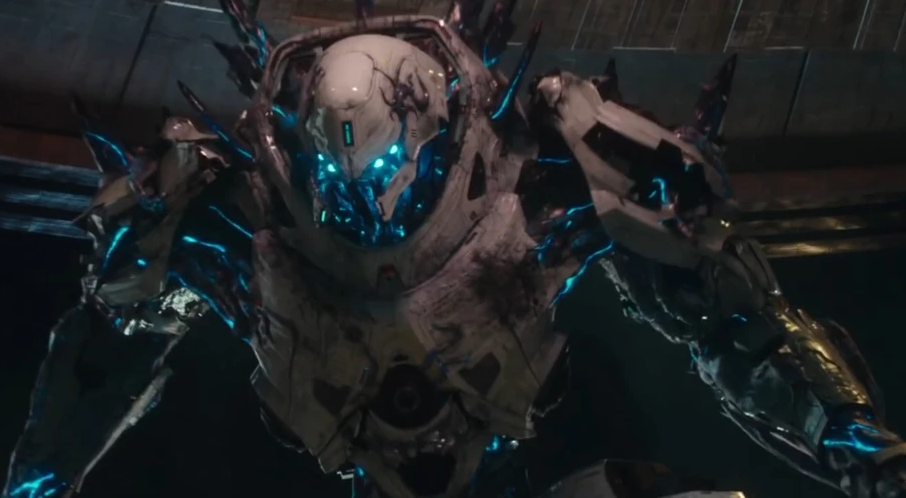
Remember those giant hybrid kaiju-fighting robots from Pacific Rim where the brain of a kaiju (strange beast in Japanese) has successfully infected the mechanical brain of the robots and turned human’s greatest defense against them ? Well, it turns out, the boundary between science fiction and reality isn’t as far as we thought. A researched field “Necrobotics” has taken the world by storm and it is so new that Google is still highlighting “Necrobotics” as red. Imagine a world where nature’s most complex design is integrated into human’s innovation, leading to the most incredible biohybrid systems. If you are drawn the future application of this field or the potential harmony between biology and robotics, you’re in for a treat. In this blog post, we’ll be exploring the existing researches within Necrobotics and the future outlook on this unique field.
Necrobotics, a term derived from “Latinized form of Greek nekros” (relating to death ) and “robotics,” may sound a tad bit eerie, but it’s far from sinister. In fact, it’s all about bringing life to machines. The heart of the research is focused on producing biohybrid system that utilizes the intricate abilities of a living organism while combining with the precision and flawless decision making skills of a robot. Similar to our natural world, it draws inspiration from our environment such as the symbiotic relationship of Bees feeding on a flower’s nectar while carrying its pollen from plant to plant.
So, why should you be interested in this intersection of biology and technology? The applications are nothing short of astounding. One day, we will have biohybrid robots aiding in disaster relief events, enhancing our healthcare capabilities and assisting us in answering humankind most complex questions. These robots are able to mimic natural organism abilities, making them more adaptable, versatile, and resilient than conventional robots. From robotic limbs that respond to neural signals in the body to machines that slither like snakes, Necrobotics are in prime position to push humankind to the next level.
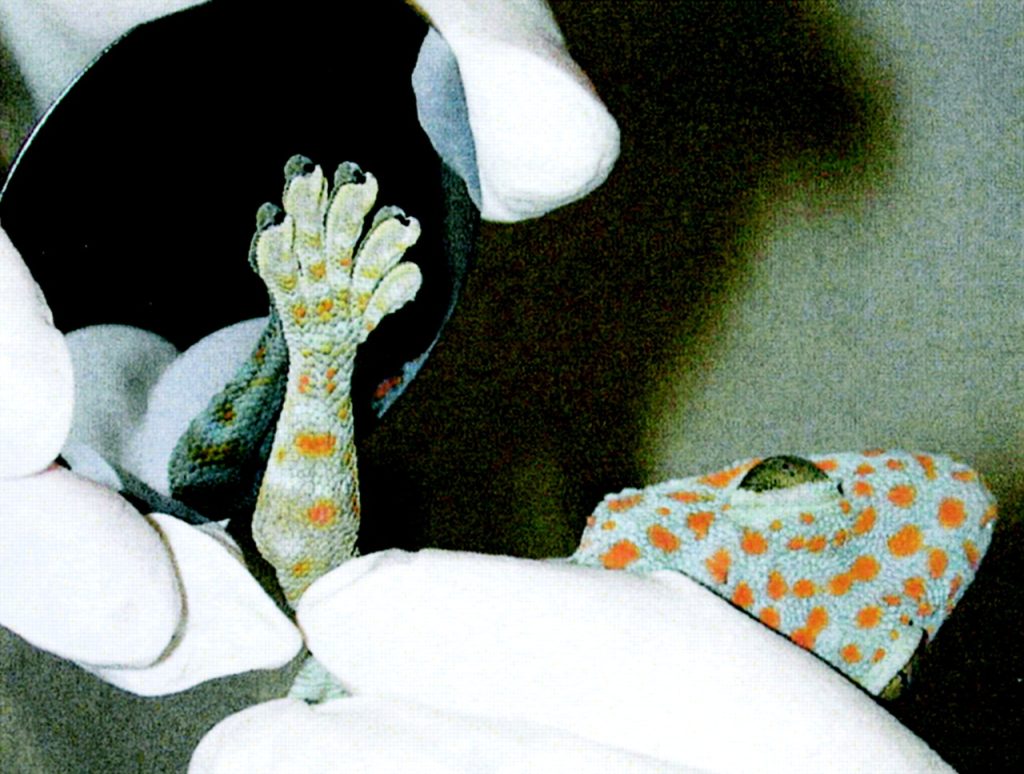
Photos from the article “Evidence for van der Waals adhesion in gecko setae”
In conclusion, these scientific topics may have been initially perceived as science fiction but it has quickly garnered attention and are becoming a crucial step for mankind to take. Future discoveries in this field will have the potential to redefine countless industries while acknowledge nature’s design. So if you’ve ever imagined a time where science and nature coexist, now is the perfect time to get excited about necroboticsᅳthe future is here, and it’s amazing.
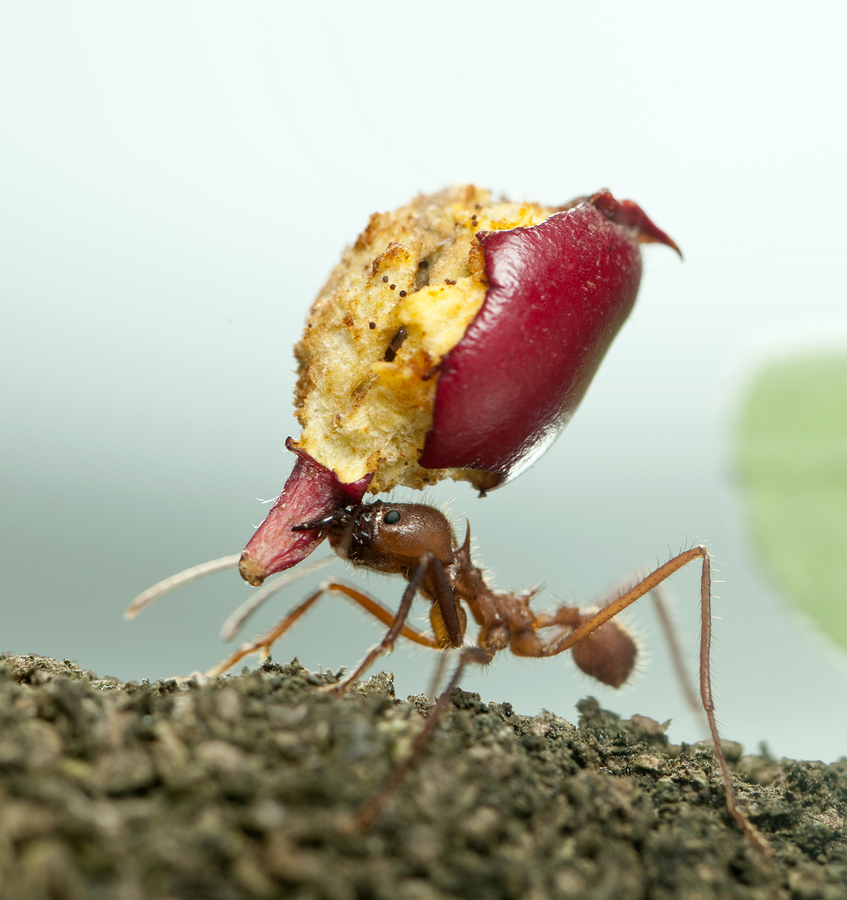
Leaf-cutter ant Acromyrmex octospinosus carrying eaten apple – Vulcan Termite Pest Control
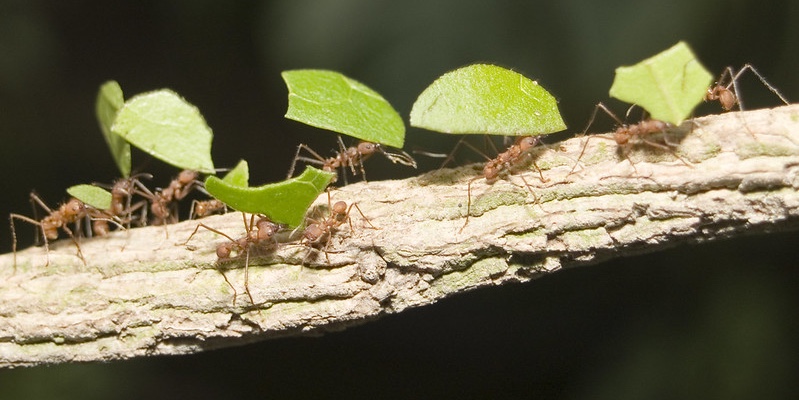
Have you ever been in the gym and wished that you could lift more? Maybe the solution is hidden underneath the anthill in your backyard. Ant’s are fascinating creatures with remarkable biomechanical properties. Their complex anatomy lends to one of the anomalies in strength of the natural world.
Ant jaws and neck structure allows them to carry weights well over 5,000 times their own weight. For comparison, that would be a 180 lb. man being able to lift 2 Statues of Libertys stacked on each other with his mouth and neck. This incredible feat of strength has been the study of many biologists, because if able to harness this ratio of power, the world would change.
The strength of ants come from the construction of their neck and mandible movements. The geometry of their bodies have been studied by Anderson, Rivera, and Suarez. Their study focused around the geometries of ant’s bodies, especially around the neck area and their center of mass. As seen below in Figure 1, calculations can be made to find the center of mass with variations on species.
Figure 1. Center of Mass Diagrams
From these equations, scientists can understand the positions, proportions, and masses that the ants need in order to create the center of mass needed to hoist large masses over their heads.
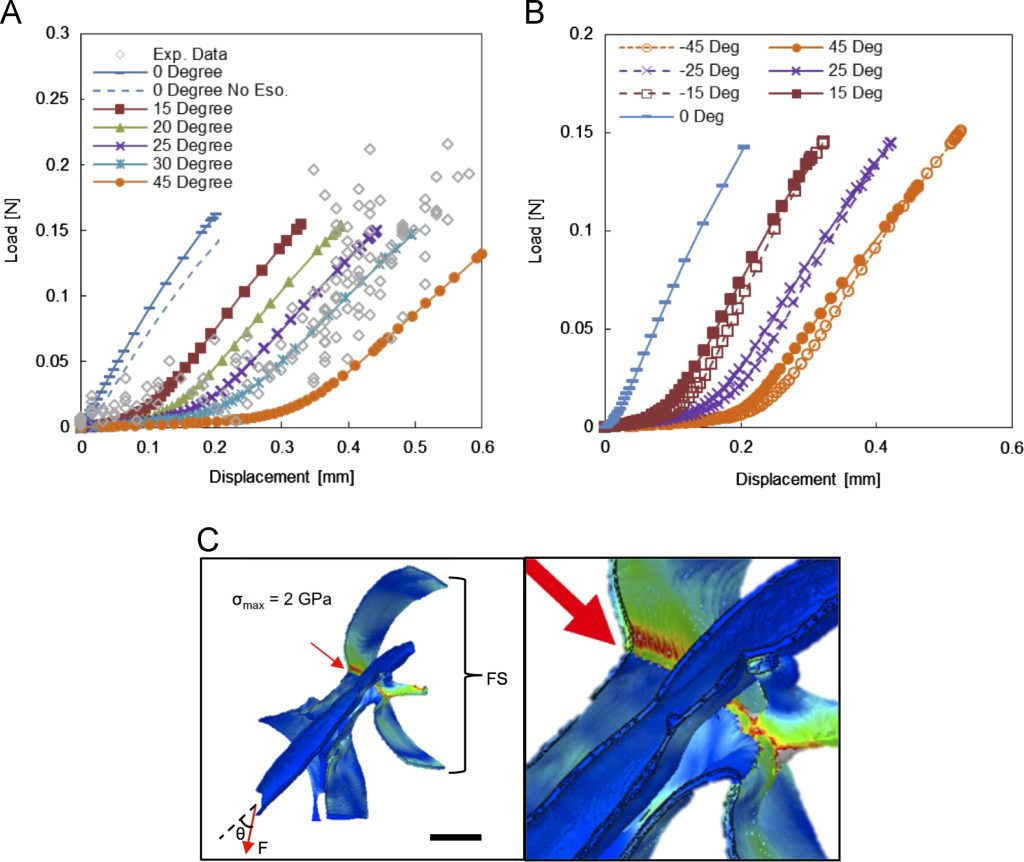
Another approach to understanding how ants can lift weights so much heavier than themselves is understanding the biological construction of their necks. The way that Nguyen, Lilly, and Castro found the geometry of ant necks was by using various computer based techniques such as computed tomography and other forms of modeling based off of mechanical data. An example of a computer model based on mechanical data can be seen below in figure 2.
Figure 2. Ant Jaw Computer Aided Model
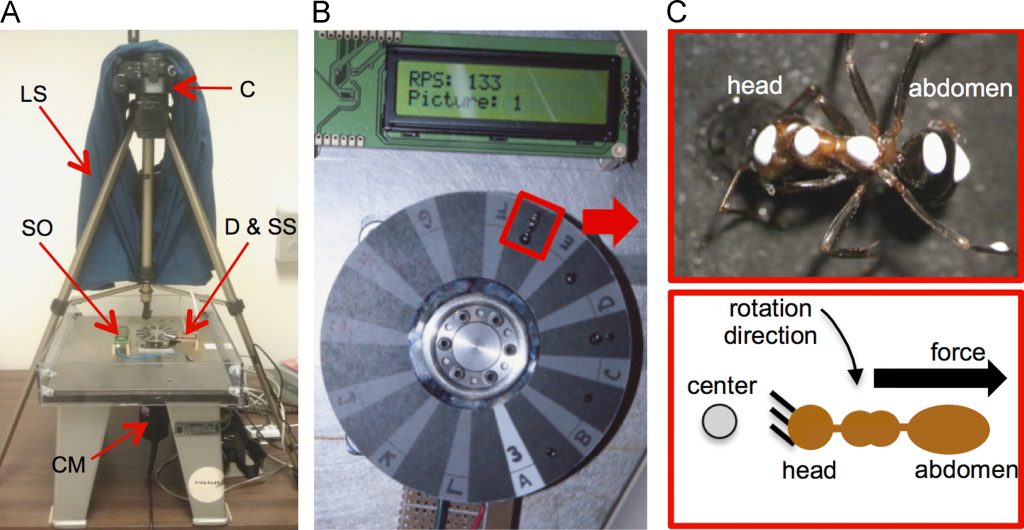
An example of the mechanical testing that Nguyen, Lilly, and Castro conducted involved creating a custom made centrifuge where ants were attached to the edges of the centrifuge by their jaws. By spinning the centrifuge around, the ants are subject to the centripetal force away from their jaws, imitating the force of an ant pulling something with its jaw. By finding the deformation in the jaw, which is the jaw changing it’s geometry due to force being applied, scientists were able to find the stiffness of the jaw and the resistance to deformation (modulus of elasticity). A visual of the experimental schematic can be seen in figure 3.
Figure 3. Ant Centrifuge Experimental Setup
If able to harness the mechanical advantage that worker ants possess, the applications would be endless. Ranging from construction, to creating medical devices, and many other industries, being able to lift massive loads with minimal equipment would prove useful for the entire world. An example would be a small forklift being able to lift an aircraft carrier just be proportion of strength to weight that mimics an ant. The ongoing research looks promising, and we can only hope we can mimic the strength of the tiny insects we see everyday.
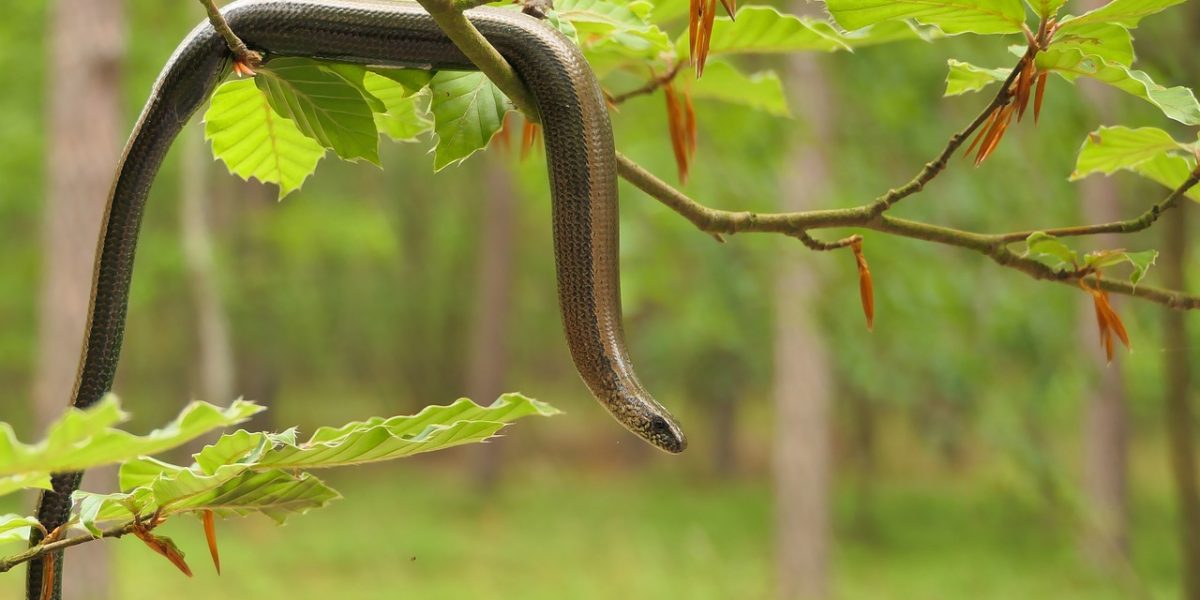
If you had no legs or arms, wouldn’t it be difficult to get from place to place? However, snakes don’t have any legs and they get around just fine! Almost all land animals had legs to propel themselves forward, so how do snakes move so effectively? The biology of a snake involves a series of ribs and muscles that contort a snake’s body to push itself forward. Not only does the snake’s internal makeup allow it to move, but also its exterior. Snakeskin has frictional properties which allow it to remain stationary along an incline with just a few scales in contact with a surface!
Photo by Krzysztof Niewolny on pixabay.
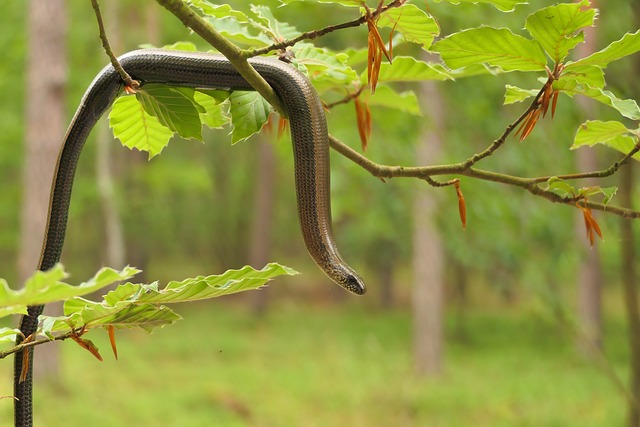
A snake’s ability to slither across the ground is made possible by its ability to bend using a series of muscles along their body. The scientific term for this bending motion is lateral and vertical bending. A snake uses lateral bending to change direction or propel itself forward along a flat surface. Vertical bending is employed when a snake is pushing off a surface intending to move upward, such as in a tree or on a steep rocky slope. Using the terrain upon which the snake is traversing, the snake is able to propel itself forward by pushing off uneven ground, sand, branches, or other obstacles.
Snakes have a series of hundreds of ribs that run along the entire length of their body. Not only do their ribs provide a firm foundation for the snake to push itself off of the ground, but they also provide structural support for the snake to traverse gaps along a surface such as holes, tree branches, or other places where a snake cannot use bending to move. With respect to slithering, the ribs of a snake allow it to bend and coil to get the best contact with the ground.
Photo by Paul Brennan on pixabay.
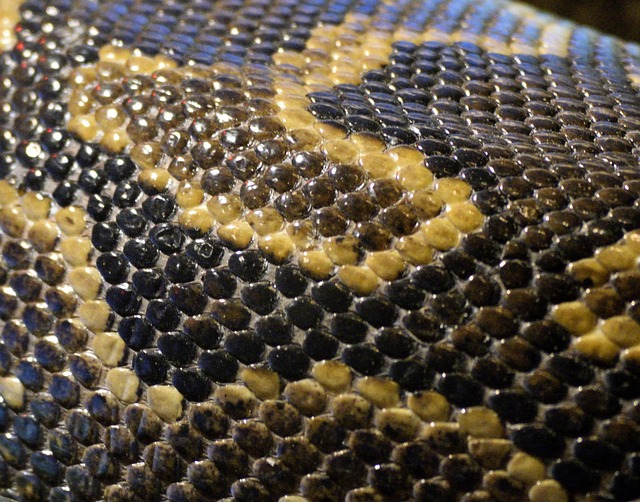
However, it is not just the forces that snakes apply to the ground that allow them to move, but also the makeup of their skin. Snakeskin has frictional properties that allow them to get a better grip on the surface upon which they move. For example, if a surface is slippery or at a steep incline, a snake can increase the surface area their skin covers by changing the angle their scales come into contact with a surface.
Understanding how snakes move without the use of legs is important for engineering applications. Legless robotics can be designed using the concept of the biomechanics behind the movement of snakes. For example, this could be implemented in terrestrial rovers that can travel across uneven terrain. In addition, materials science applications for purposes of gripping can mimic snakeskin for higher friction abilities. This would be greatly beneficial for sports, military, or medical equipment where gripping ability determines overall usability.