
Endurance athletes, ranging from marathon runners to long-distance cyclists, are frequently faced with the mechanical limits of their muscles and bodies. But what sets these limits? A key limitation is the anaerobic threshold. The anaerobic threshold is the point at which the body shifts from aerobic to anaerobic metabolism, which causes a buildup of lactate and ultimately muscle fatigue. This is particularly an issue for endurance athletes because is limits the athlete’s ability to sustain force production and resist fatigue, lowering their endurance capabilities.
Read More: Endurance Performance: The Biomechanics of VO2 Max and Muscle Fatigue in Endurance Sports Continue reading “Endurance Performance: The Biomechanics of VO2 Max and Muscle Fatigue in Endurance Sports”Tag: muscle
How Do Chameleons Catch Food with Their Tongues?
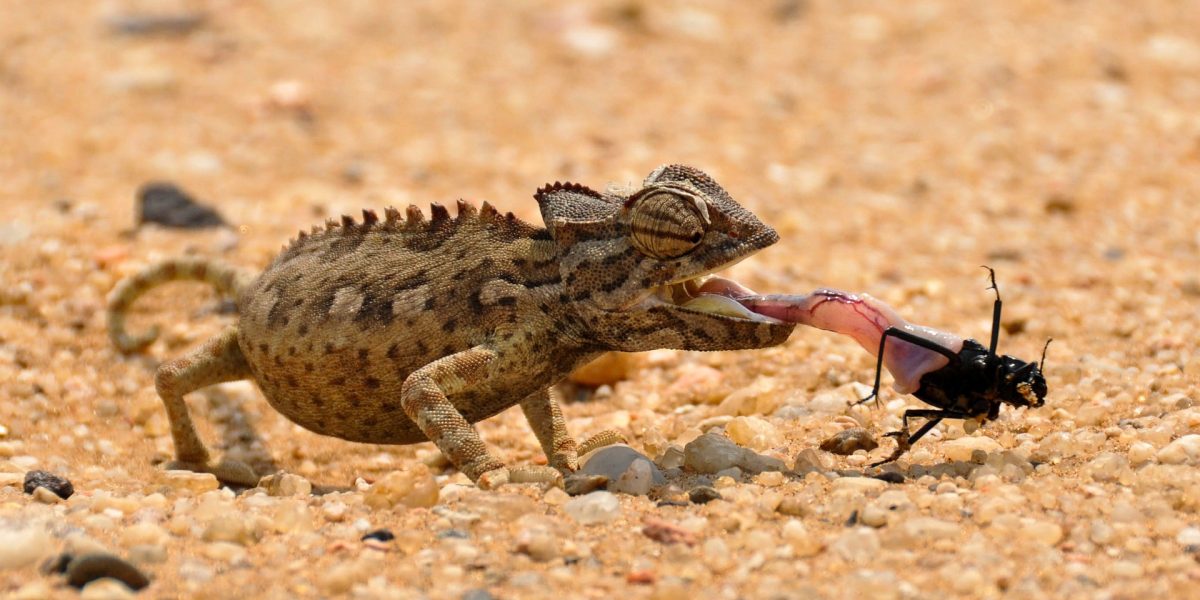
Have you ever wondered how chameleons are able to shoot out their tongues, grab a snack, and bring it back to their mouths? That skill is all thanks to the chameleon tongue’s unique mix of special muscles. Their ability to use their tongue for grocery shopping is essential for their survival, and the way it works is fascinating!
Continue reading “How Do Chameleons Catch Food with Their Tongues?”How steroids affect muscle growth and performance

What is the most difficult thing to do in sports? Many fans and journalists say it’s hitting a home run in baseball. It isn’t so hard for everyone though- Barry Bonds racked up 762 of them across his MLB career, setting the record for the most home runs ever hit. But what fans also remember are the allegations that Bonds used performance-enhancing drugs to gain a step on the competition. But how much of his success should really be attributed to steroids?
Continue reading “How steroids affect muscle growth and performance”Snakes: What makes them slither?
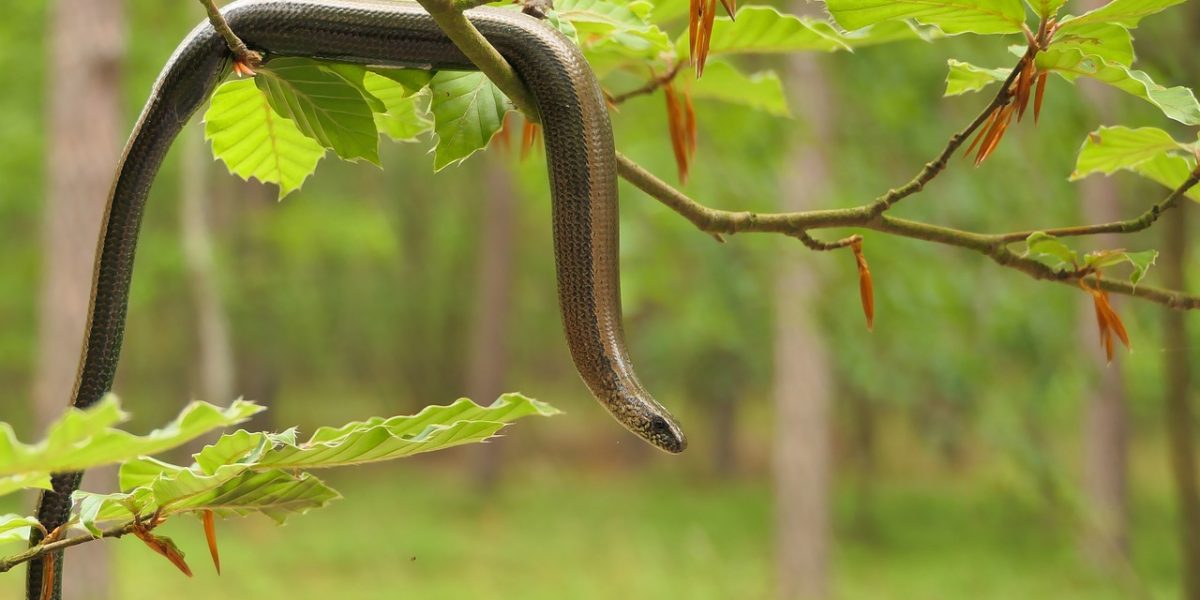
If you had no legs or arms, wouldn’t it be difficult to get from place to place? However, snakes don’t have any legs and they get around just fine! Almost all land animals had legs to propel themselves forward, so how do snakes move so effectively? The biology of a snake involves a series of ribs and muscles that contort a snake’s body to push itself forward. Not only does the snake’s internal makeup allow it to move, but also its exterior. Snakeskin has frictional properties which allow it to remain stationary along an incline with just a few scales in contact with a surface!
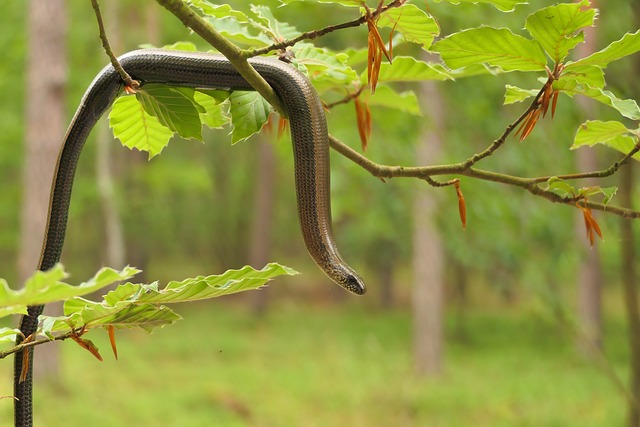
A snake’s ability to slither across the ground is made possible by its ability to bend using a series of muscles along their body. The scientific term for this bending motion is lateral and vertical bending. A snake uses lateral bending to change direction or propel itself forward along a flat surface. Vertical bending is employed when a snake is pushing off a surface intending to move upward, such as in a tree or on a steep rocky slope. Using the terrain upon which the snake is traversing, the snake is able to propel itself forward by pushing off uneven ground, sand, branches, or other obstacles.
Snakes have a series of hundreds of ribs that run along the entire length of their body. Not only do their ribs provide a firm foundation for the snake to push itself off of the ground, but they also provide structural support for the snake to traverse gaps along a surface such as holes, tree branches, or other places where a snake cannot use bending to move. With respect to slithering, the ribs of a snake allow it to bend and coil to get the best contact with the ground.
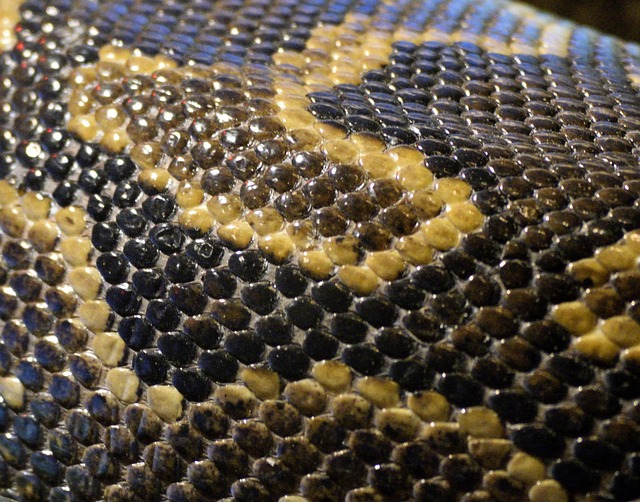
However, it is not just the forces that snakes apply to the ground that allow them to move, but also the makeup of their skin. Snakeskin has frictional properties that allow them to get a better grip on the surface upon which they move. For example, if a surface is slippery or at a steep incline, a snake can increase the surface area their skin covers by changing the angle their scales come into contact with a surface.
Understanding how snakes move without the use of legs is important for engineering applications. Legless robotics can be designed using the concept of the biomechanics behind the movement of snakes. For example, this could be implemented in terrestrial rovers that can travel across uneven terrain. In addition, materials science applications for purposes of gripping can mimic snakeskin for higher friction abilities. This would be greatly beneficial for sports, military, or medical equipment where gripping ability determines overall usability.
Let Kids Be Kids: The Unnecessary Dangers of Youth Sports Specialization
The allure of athletic success is hard to ignore in today’s society. The opportunities, notoriety, and wealth that come along with prowess in a particular sport are certainly enticing and have contributed to a growing trend towards youth sports specialization, where athletes focus on one sport from a very young age. And while the work ethic of these young athletes is admirable, their reasoning and that of their parents is a bit flawed.
Continue reading “Let Kids Be Kids: The Unnecessary Dangers of Youth Sports Specialization”Do Humans Get Weaker in Outer Space?
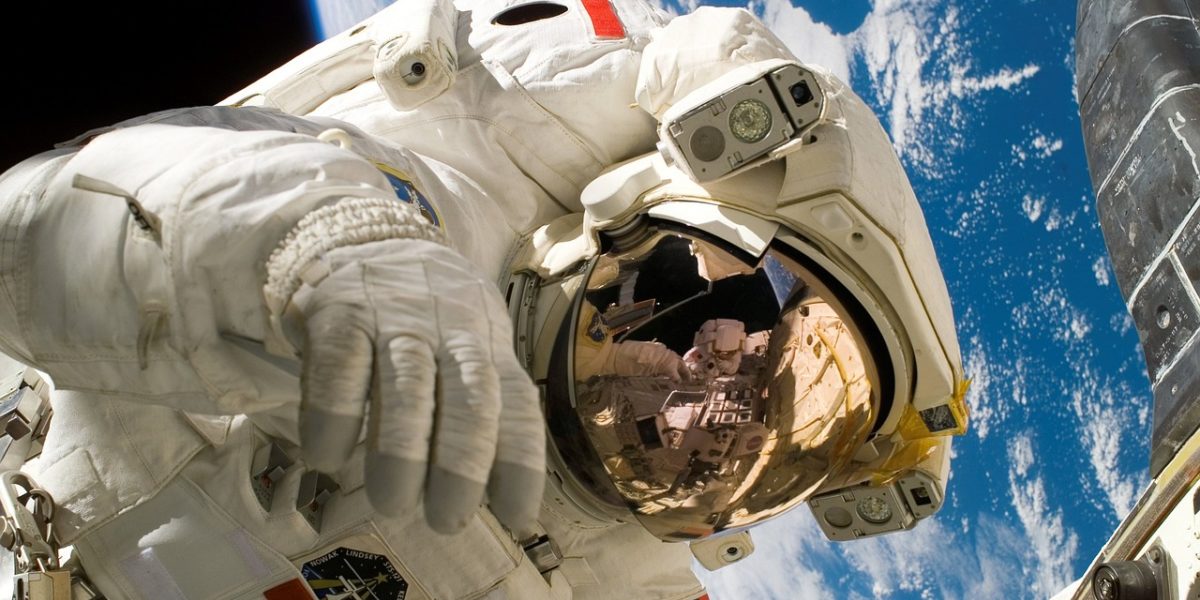
We have entered an era of renewed excitement regarding human space travel. The international community has lofty goals for the future of human spaceflight: returning to the Moon, sending crewed missions to Mars and other planets, and even colonizing space to save the human race when Earth is no longer habitable. These goals are beyond exciting, but before we can safely accomplish any of them, we must understand the biological consequences of space travel. For instance, it is well documented that space travel causes muscle atrophy, or deterioration. What causes this atrophy, and can how it be prevented?
Continue reading “Do Humans Get Weaker in Outer Space?”Packing a punch: Does strength indicate boxing performance?
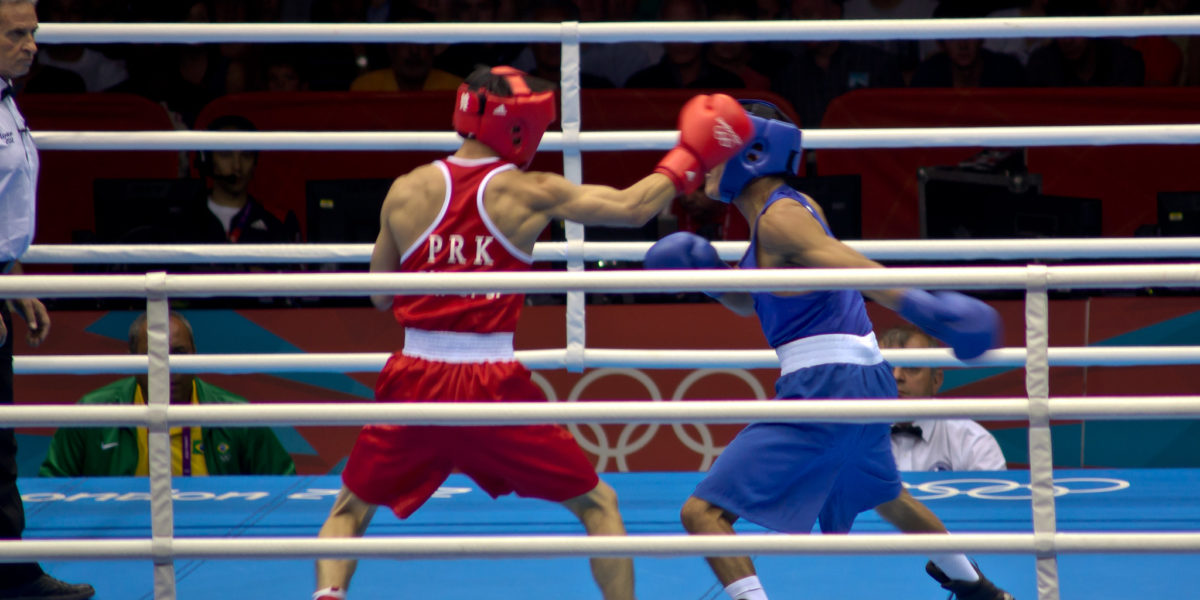
Every sport has a different “ideal” body type, which is largely dictated by the muscle groups it focuses on training. Swimmers prioritize developing the muscles in their shoulders and backs, which allows them to propel themselves through the water with their arms. On the other hand, runners prioritize the hamstrings and quads in their legs, which allows them to generate greater force when pushing off of the ground. So, what is the ideal body type for boxing? Strength is clearly important when punching an opponent, but is it even the most important factor in boxing performance? Should either upper- or lower-body strength be prioritized over the other?
Continue reading “Packing a punch: Does strength indicate boxing performance?”Dolphin Magic or Dolphin Muscle?
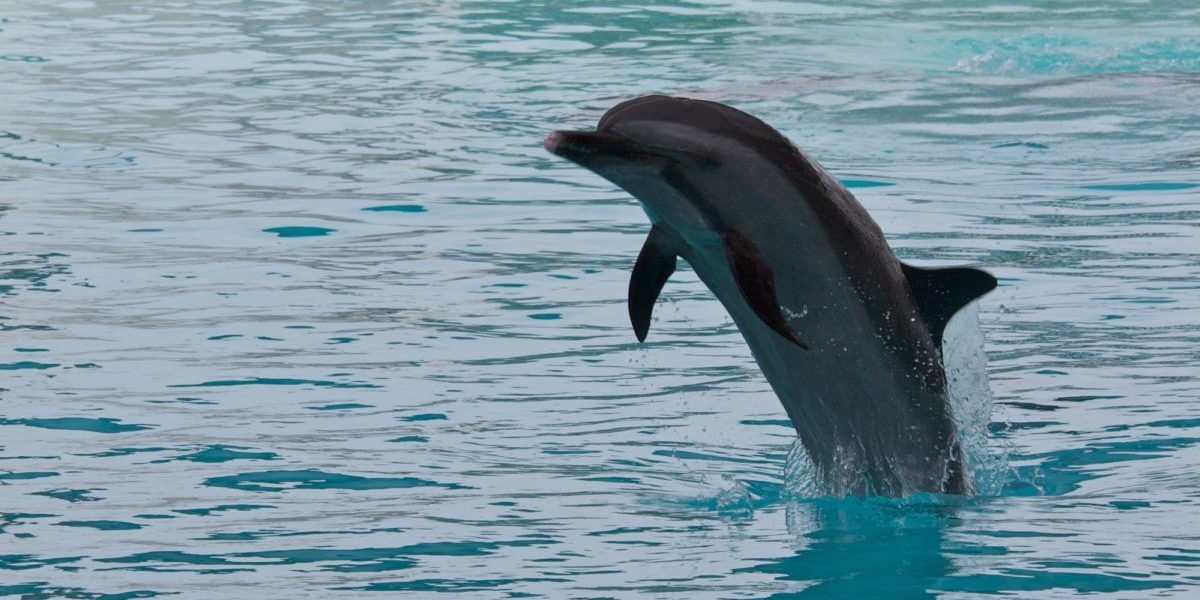
Because of the film Bee Movie, many people at one point were intrigued by the idea that bumblebees should not physically be able to fly due to their large bodies and tiny wings. But, they fly anyway. Technology is advanced enough to study bee wing movement and determine that they produce enough lift to allow them to fly, disproving the previous notion. Similarly, Gray’s Paradox for a long time inferred that dolphins should not be able to swim nearly as fast as they do. But, they still consistently swim at speeds over twenty miles per hour. It was not until recent history that advancements allowed researchers to determine why they are able to reach such high speeds.
Continue reading “Dolphin Magic or Dolphin Muscle?”Heads Up and Eyes Steady – The Optimized Mechanism for Human Running
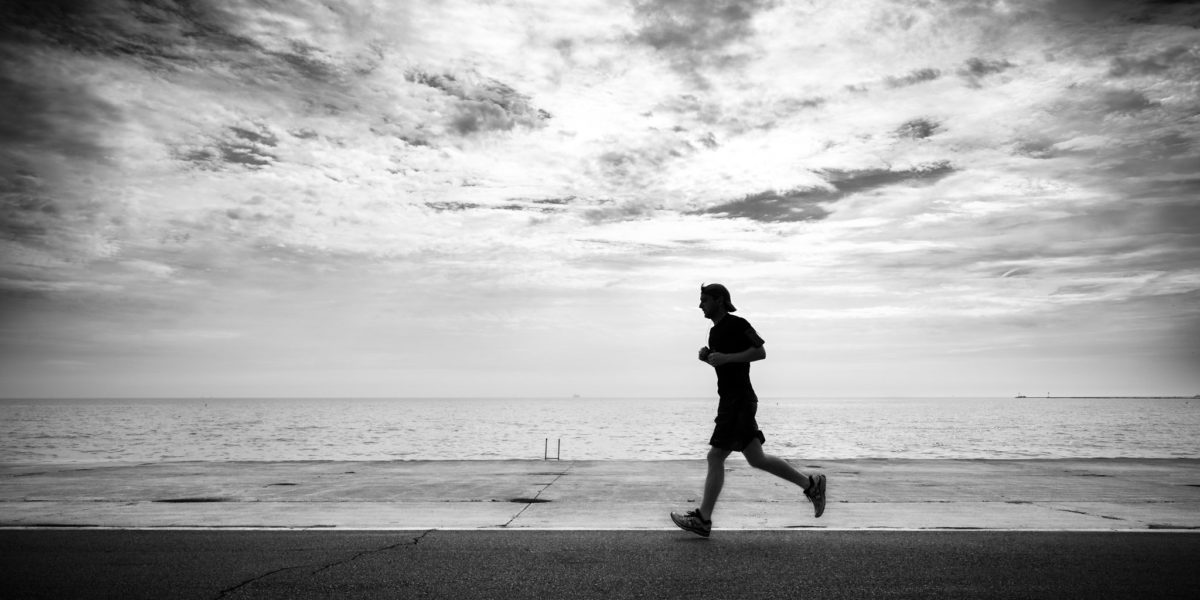
In the insightful words of Bruce Springsteen, we as human beings were Born to Run. Humans have never been a sedentary species. The tendency to constantly relocate for survival purposes required skill in obtaining food efficiently, which heavily influenced early human evolution. Humans with optimal body mechanics for running ultimately held an advantage in hunting and gathering for food, and over time, the human body adapted to these survival requirements and developed a self-optimizing mechanism for running. This implies that initiating the act of running activates certain responses in the body to perform most efficiently.
Continue reading “Heads Up and Eyes Steady – The Optimized Mechanism for Human Running”Muscle Loss Due to Aging
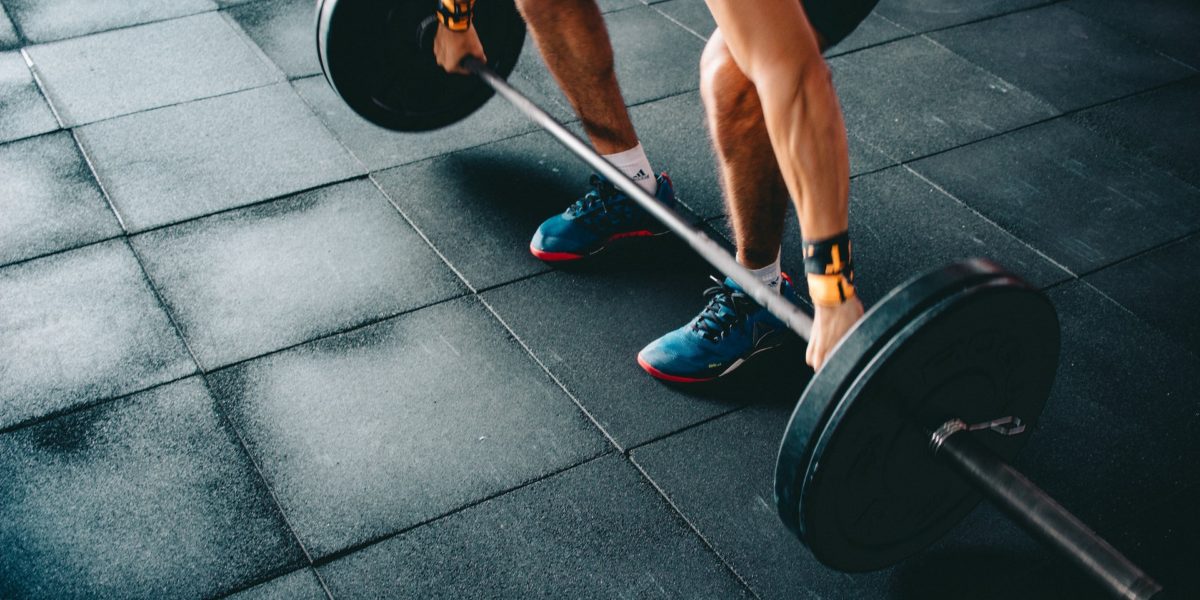
It is a well-known fact that as we get old, our bodies (sadly) deteriorate, leaving us unable to perform certain physical functions as easily as we could have when we were younger. In this article, the authors describe a study done to analyze muscle loss due to aging, primarily by examining two different age groups of humans. By conducting measurements on people over and under the age of 40 years, results show a clear difference in muscle mass and strength between the two.
Continue reading “Muscle Loss Due to Aging”