
It takes a lot to make a professional athlete collapse to the ground during a game. After throwing a pitch on September 14, 2019, Toronto Blue Jays pitcher Tim Mayza knelt on the side of the mound while clutching his arm, expecting the worst. The next day, MRI revealed that what he had feared: Mayza had torn his Ulnar Collateral Ligament (UCL).
Continue reading “What Makes Someone More Likely to Tear Their UCL?”Tag: prevention
A Mystery: How Can Distance Runners Avoid the Most Common and Dreaded Injury?


Stress fractures are small cracks in the bone produced by repetitive stress. The most common locations include the tibia, fibula, and navicular bone. An article by Crowell and Davis on gait analysis stated the occurrence of bone stress injuries in track and field athletes (male and female) to be as high as 21%. Furthermore, approximately 50% of female track and field athletes have had at least one stress fracture. Bone stress injuries can have a devastating effect on the athlete, their team, and the willingness of these runners to continue to compete. The only treatment for stress fractures is to completely stop running for an average of 6-8 weeks. Runners have no clear and confirmed guidance on injury prevention or appropriate volume of training.
Continue reading “A Mystery: How Can Distance Runners Avoid the Most Common and Dreaded Injury?”Look Strong, Be Strong, or Be Safe?: The Perils of a New Deadlifter

So, you’ve started deadlifting, but you’re not sure if you’re just weak, or if you’re going to break your spine, and there are plenty of “gym bros” slamming the weights, grunting, and walking around wearing equipment (wrist straps and back belts) that says “I’m literally too strong for my own body.” So, what do you do? Do you need to buy that stuff too?
This blog post will walk you through a biomechanical analysis of the deadlift while wearing supportive equipment, in the hopes of helping you face this daunting task.
Continue reading “Look Strong, Be Strong, or Be Safe?: The Perils of a New Deadlifter”What an Optimized Running Gait Can Do for You

Running is one of the oldest and most common forms of exercise, but there are many ways that running mechanics vary from person to person. Identifying the different running gaits is important so that their efficiencies and effects on the body can be analyzed. Injuries in runners are common and having an understanding of how different gaits apply stresses on the body differently can be used to educate runners on how to run in a way that will reduce the risk of injury.
Continue reading “What an Optimized Running Gait Can Do for You”Ways to Prevent and Treat a Common Annoyance: Headaches

Headaches can range from a mild annoyance to a debilitating condition that results in the inability to complete simple daily tasks. Odds are you have experienced a headache since about 50% of the population has suffered some type of headache. While there are many different variables that may have triggered it (injury, stress, chemical imbalances, etc.), the resulting symptoms are always negative. Scientists have been investigating what causes different types of headaches in hopes that they can help people prevent their occurrence and mitigate their symptoms.
Continue reading “Ways to Prevent and Treat a Common Annoyance: Headaches”Runner’s Knee: Knee Pain Isn’t Just for Old People
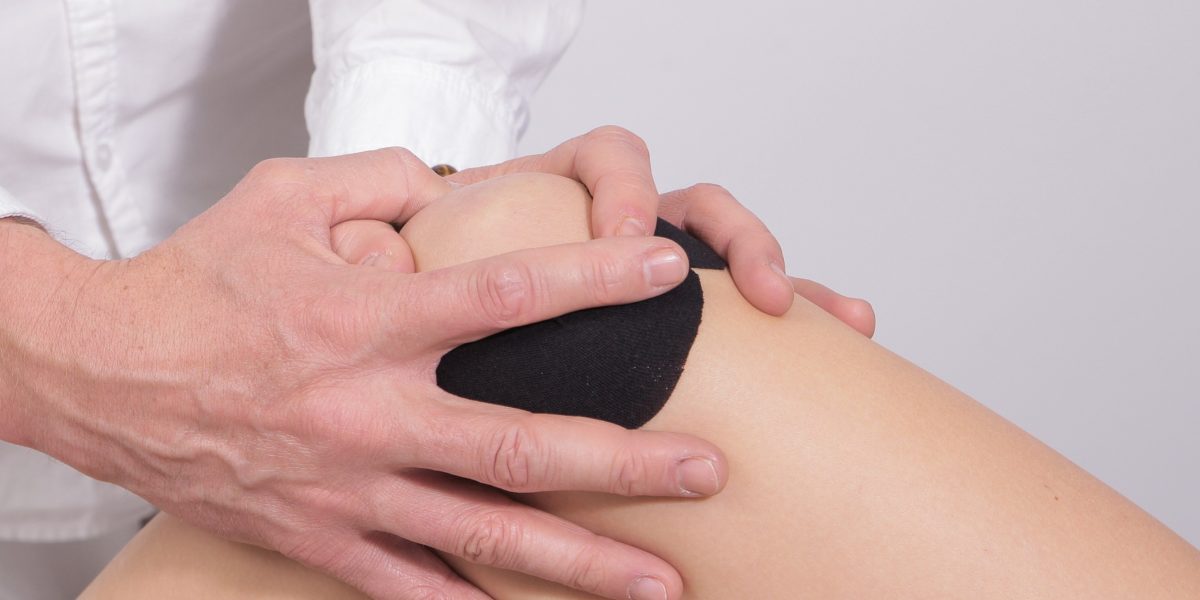
Don’t knee problems only plague old people or people who have run for a lifetime? I questioned this when, for the seventh time in a row, my knee was hurting only a mile and a half into my run. I’m too young for this! However, a plethora of information suggests that knee pain is perhaps not so uncommon in younger runners and athletes as I thought.
Continue reading “Runner’s Knee: Knee Pain Isn’t Just for Old People”Cause and Management of Stretch Marks

Stretch marks. How are they caused? Can they even be treated?
Stretch marks can happen to anyone, of any age, so these questions are important to many. In short, our skin is made up of both collagen and elastin, two elements that support and shape our skin through their natural elasticity. This elasticity, however, does have its limits. And when that breaking point is reached, the collagen and elastin rupture, leaving behind scars many know well – a stretch mark.
Continue reading “Cause and Management of Stretch Marks”Female Athletes Compete Against Higher Risk of ACL Injuries Than Males
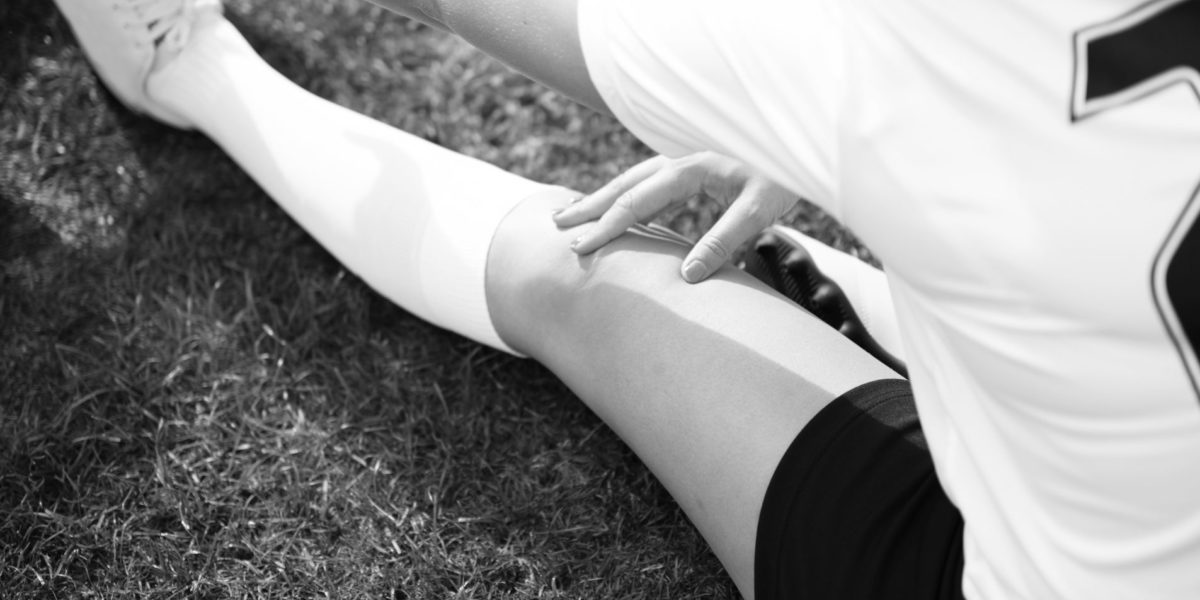
Female athletes face a greater rate of anterior cruciate ligament (ACL) rupture than males. According to Dr. Karen Sutton and Dr. James Bullock from the Department of Orthopaedics and Rehabilitation at Yale University, female athletes are 2 to 8 times more likely to tear their ACL than male athletes. The majority of these injuries (more than two-thirds) are from non-contact situations. A variety of anatomical, biomechanical, and hormonal factors attempt to explain this difference.
Continue reading “Female Athletes Compete Against Higher Risk of ACL Injuries Than Males”Striking Out the Myths behind the Curveball

Anybody who has played baseball growing up was probably told “Don’t start throwing a curveball until you are ‘X’ years old.” That “X” in there for the age was normally around fifteen or sixteen years old depending on who you asked. When an eager, young ball player responded with “Why,” it was normally answered by “Because you will hurt your elbow and shoulder.” No sixth or seventh grade kid is really going to question that statement beyond asking another adult, and subsequently getting the same answer. Likewise, no youth baseball coach has really put in the effort to research whether or not learning to throw a curveball is detrimental health of young athletes.
Continue reading “Striking Out the Myths behind the Curveball”Do Running Injuries Depend on the Running Surface?

Imagine that you are on your typical route for a morning run when you decide to change things up. Instead of following the path of the sidewalk like usual, you take a shortcut across the soft grass and run alongside the concrete for awhile. No big deal, right?
Continue reading “Do Running Injuries Depend on the Running Surface?”