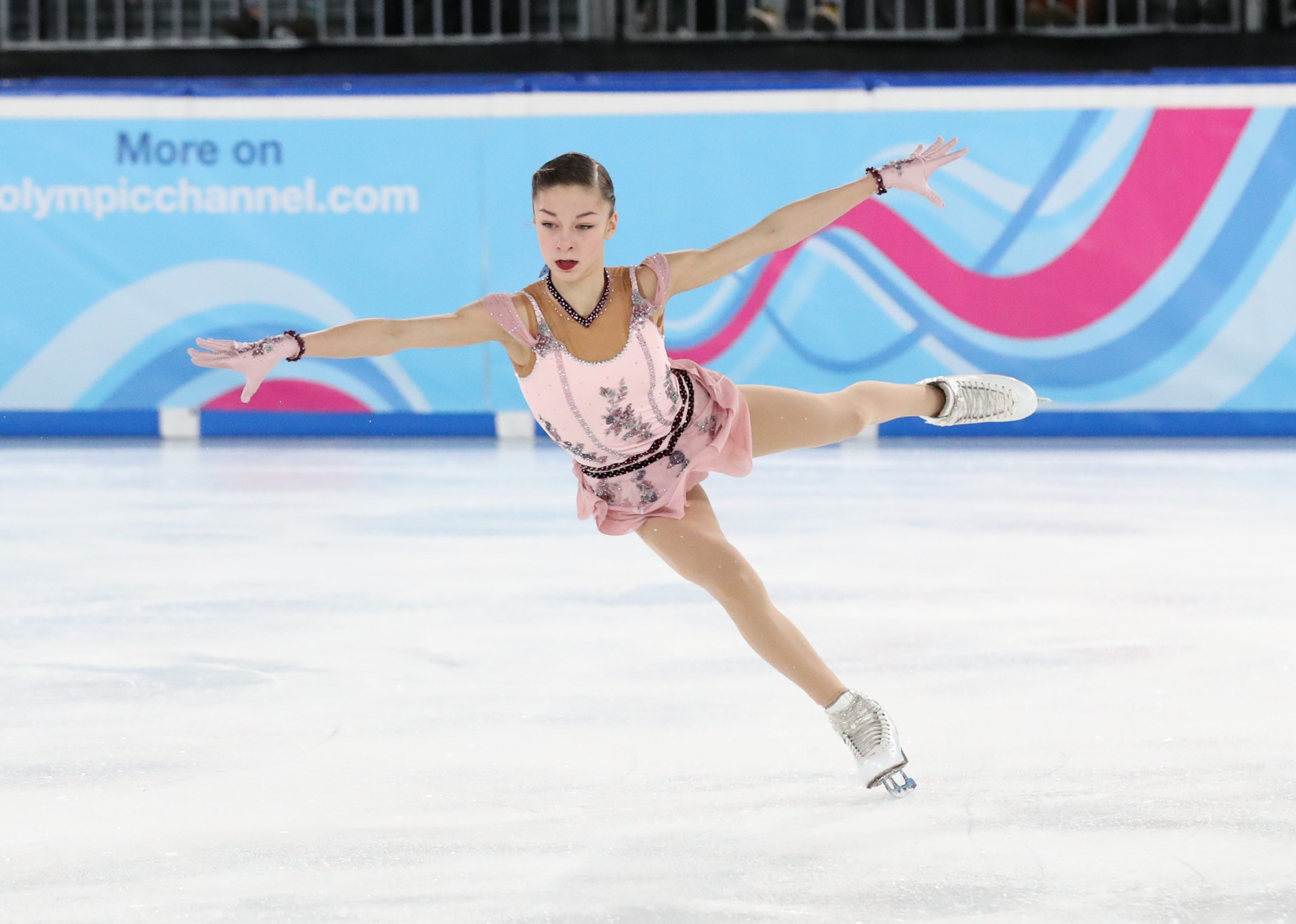
Every 4 years, viewers around the world tune into the Winter Olympics to watch the world’s best athletes compete in events like figure skating. With each passing Olympics, skaters push the limits of what is possible on the ice, always attempting jumps with more revolutions than ever before to impress judges and amaze viewers. However, these high-revolution jumps pose serious risks to the skaters who perform them, mainly in overuse injuries resulting from countless hours of practicing these jumps to perfect them for competition.
Read more: Well, if the Boot Fits! The Effect of Ice Skating Boots on Overuse Injuries in Competitive Figure SkatersWhen landing these jumps, skaters’ lower bodies are subjected to large impacts on their joints and bones due to the dissipation of kinetic energy resulting from their rapid rotations while in the air. As the number of jump revolutions increases, so too does the kinetic energy required to successfully perform them as skaters must rotate faster while in the air.
Additionally, high-rotation jumps place skaters’ completion of rotations closer to the ice, as skaters have less time to complete rotations while in the air. This results in a collision-type impact between the skaters’ landing foot and the ice that shortens how long skaters have to absorb forces from landing their jumps and further increases the impact on their joints and bones. Combined with the sheer number of jumps that skaters perform daily to perfect their skills, these high-revolution jumps greatly increase the risk of overuse injury development in skaters’ lower bodies.
To better preserve skaters’ joint and bone health, researchers have studied how ice skating boots impact skaters’ performance. These boots, which are worn by all skaters regardless of skill level, rise high on skaters’ ankles and are tied like shoelaces around metal hooks mounted on the boot. Tying the laces around these hooks provides extra stability to skaters’ ankles and ensures a secure fit of the boot around a skaters’ foot. A stiff platform runs under the boot and slightly raises the boot’s heel. Finally, a thin metal blade with a jagged pick at the toe of the boot and a rounded edge at the heel is mounted to the underside of this platform.


The most important feature of these boots is their stiffness around skaters’ feet and ankles to serve as braces that protect their ankles from wobbling and losing balance when landing jumps. However, this boot stiffness limits the ability of skaters’ feet and ankles to absorb the impact experienced upon landing jumps. This results in landing forces traveling up the skaters’ lower bodies and mainly impacting their knees, hips, and lower backs.
Therefore, boot models must strike a balance between structural stability and joint mobility, and researchers aim to identify this balance by observing how boot stiffness and fit around skaters’ feet impact their range of motion. Ankle and foot range of motion is important for skaters because it controls which joints are impacted most in skaters’ lower bodies. Studies have found that boots with angled forms and raised heels result in increased ankle range of motion and thus improved force dissipation in skaters’ feet and ankles rather than transferring more of these loads upwards to their knees, hips, and lower backs. Additionally, lightweight boots made of materials like fiberglass, plastic, and soft memory foam absorb a greater amount of the landing force impact than boots made of heavier materials like leather and wood. With these findings, skaters can make educated choices for their ice skating boots that prioritize their long-term joint and bone health, protecting themselves from overuse injuries to prolong their skating careers and get the most benefit out of their daily training.
Featured image by Sandro Halank from Wikimedia Commons.