Black History Month 2026

We join with The Library of Congress, National Archives and Records Administration, National Endowment for the Humanities, National Gallery of Art, National Park Service, Smithsonian Institution and United States Holocaust Memorial Museum in paying tribute to the generations of African Americans who struggled with adversity to achieve full citizenship in American society.

“Play Ball With Jackie”: Unboxing the Jackie Robinson Doll for Black History Month

by Greg Bond, Sports Archivist and Curator, Joyce Sports Research Collection

In recognition of Black History Month, Rare Books and Special Collections is pleased to highlight its recent acquisition of the Jackie Robinson Doll, a 13-inch plastic composition doll of the baseball icon manufactured by the Allied-Grand Doll Manufacturing Company of Brooklyn, N.Y. in 1950.

The moveable and posable doll was sold fully accessorized with Robinson’s complete Brooklyn Dodgers uniform, miniature baseball equipment, and other accompanying commemorative items. The Jackie Robinson Doll was one of the earliest realistic African American dolls aimed at the general mainstream toy market and was a testament to the popularity and importance of Robinson, who several years earlier had famously broken major league baseball’s long-standing color line against Black players.

Despite Robinson’s widespread celebrity, the Jackie Robinson Doll was unusual on toystore shelves in 1950. Although African American designers and companies had long made dolls specifically targeted at the Black community, most mainstream American toy manufacturers at the time did not create realistic dolls depicting African Americans. As historian Rob Goldberg explains in his book Radical Play: Revolutionizing Children’s Toys in 1960s and 1970s America for most of the early twentieth century there had “been a painful history of demeaning representations and unjust exclusions of African Americans by the nearly all-white producers of mass-market toys” (page 86).

The story of the Jackie Robinson Doll began after the 1949 season when Robinson had won the National League’s Most Valuable Player Award. Over that winter, Robinson sought opportunities for extra income—especially during the off season—to support his growing family. He partnered with entertainment lawyer Martin Stone in hopes of capitalizing on his success and popularity to supplement his baseball salary. As later explained in a 1951 New York Herald Tribune article: “One day in 1949, Jackie Robinson walked into his [Martin Stone’s] penthouse office and wondered how he could make some money during the winter—up to then he’d been selling television sets in the off-season.”

Within the next couple of years, Robinson and Stone built a successful marketing campaign that produced the Hollywood motion picture The Jackie Robinson Story, a series of six Jackie Robinson comic books (featured in a previous RBSC blog post), the Jackie Robinson Radio Show broadcast on New York’s WNBC, t-shirts, and, in total, “about thirty franchises,” according to the Herald Tribune.

The Jackie Robinson Doll, which was sold individually or as a packaged set with the first issue of the recently published Jackie Robinson comic book, was another popular branded item that received considerable public attention. The doll was one of only a handful of items mentioned by name in a March 1950 newspaper article, “Toy Fair Opened; 100,000 Items for the Yule Trade on View.”

Toy dealers widely advertised the doll in newspapers around the country. An ad in the Alabama Tribune, an African American newspaper in Montgomery, Alabama, informed potential customers: “Here he is! Jackie Robinson in doll form dressed in his Dodger’s uniform. Doll comes boxed with ball bat, sweatshirt, baseball game, and the life story of the great hero!” Similarly, the Harrisburg (Pa.) Patriot-News daily newspaper ran an ad for the local Bill’s department store that described Robinson as “America’s Favorite Athlete.” The store declared, “First time in Harrisburg … everybody can have a doll of America’s Athletic hero.” In May 1950, the Associated Negro Press reported that the Jackie Robinson doll was even in stock at the famous Macy’s department store in New York City.

RBSC’s example of the Jackie Robinson doll apparently includes all of the original accessories that accompanied the doll. Housed in its original 15X15 inch square cardboard box, the doll wears a Brookyln Dodgers hat and jersey, uniform pants, socks, and shoes. The set also includes a wooden bat with a facsimile of Robinson’s signature, a promotional tag shaped like a glove, a plastic ball, a copy of the Jackie Robinson comic book, and a simple spinner-based Jackie Robinson baseball game.

The Jackie Robinson Doll is open and available to researchers during regular RBSC business hours. So stop by if you would like to “Play Ball with Jackie!”


Sources Cited

Tex McCrary and Jinx Falkenburg, “New York Up Close: Martin Stone, Lawyer in Show Business,” New York Herald Tribune 30 July, 1951, p. 7.

“Toy Fair Opened; 100,000 Items for the Yule Trade on View,” New York Herald Tribune 7 March 1950, p. 23.

“Jackie Robinson Doll and Life Story!” [advertisement], Alabama Tribune 15 December 1950, p. 6.

“Bill’s” [advertisement], Harrisburg Patriot News 2 July 1950, p. 44.

“Robinson Dolls at Macys,” [Lincoln, Nebraska] The Voice 6 May 1950, p. 3.


Previous Black History Month posts:

2025: Remembering the Harrisburg Trojans, Champion African American Football Team

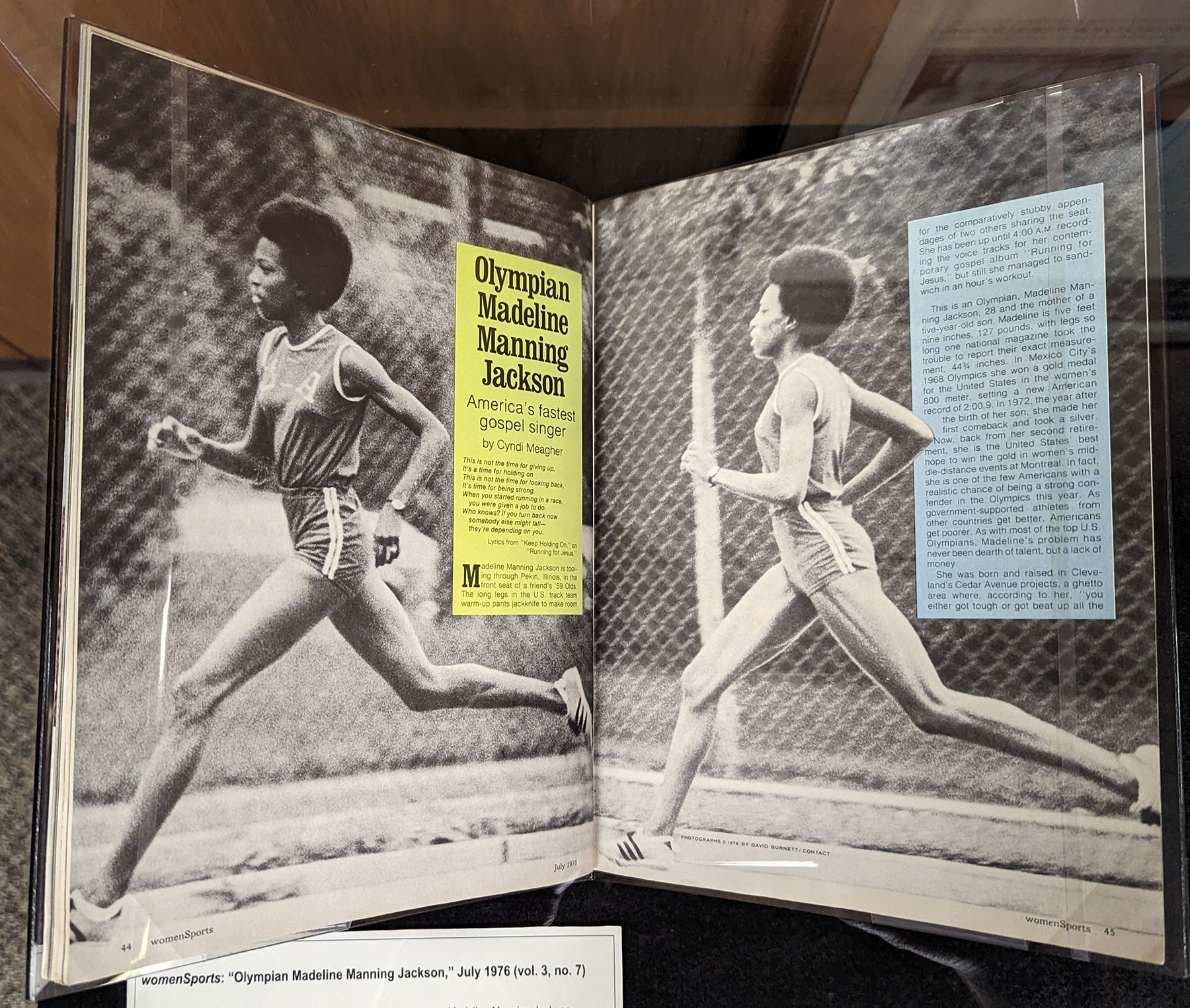
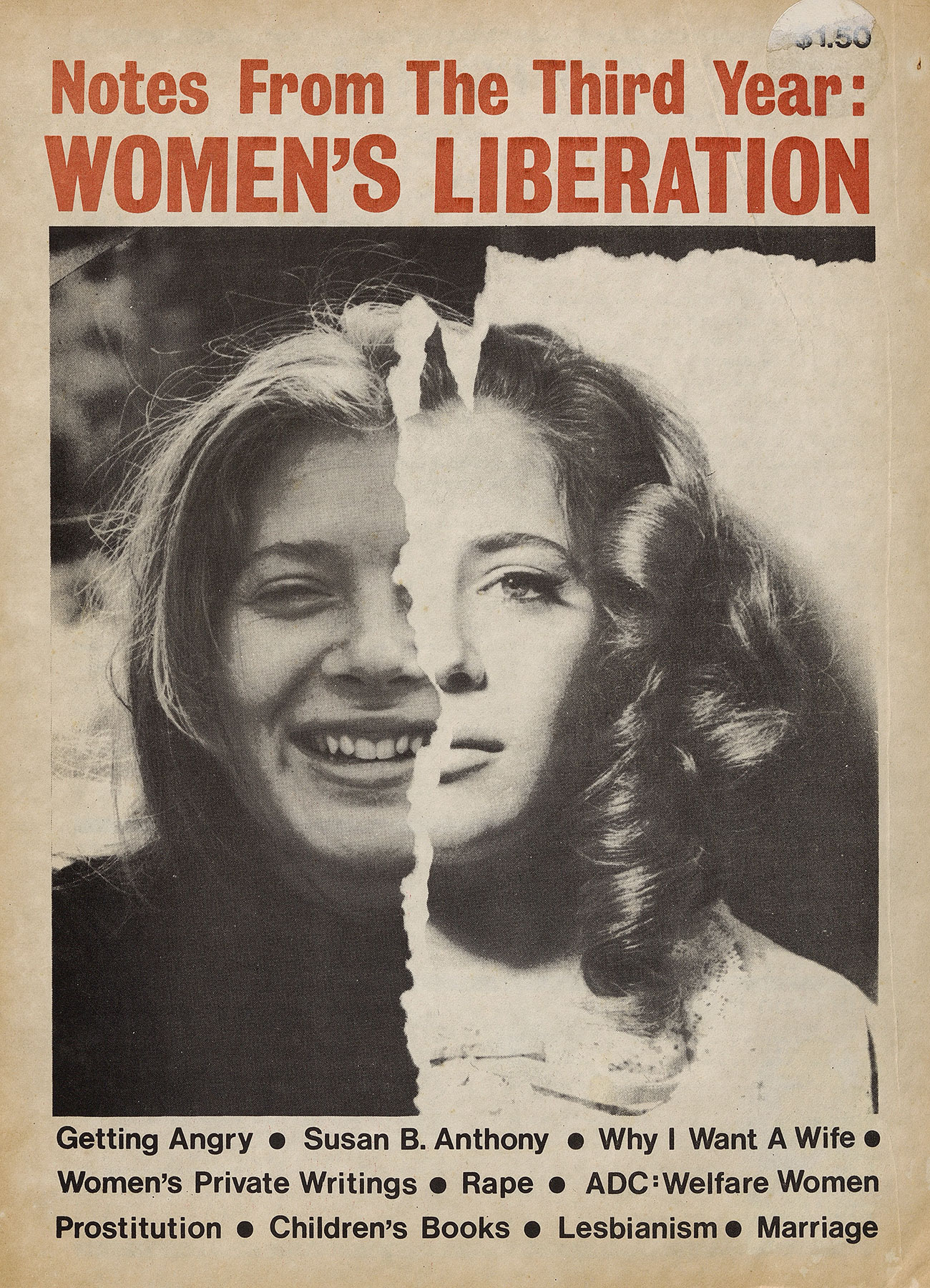
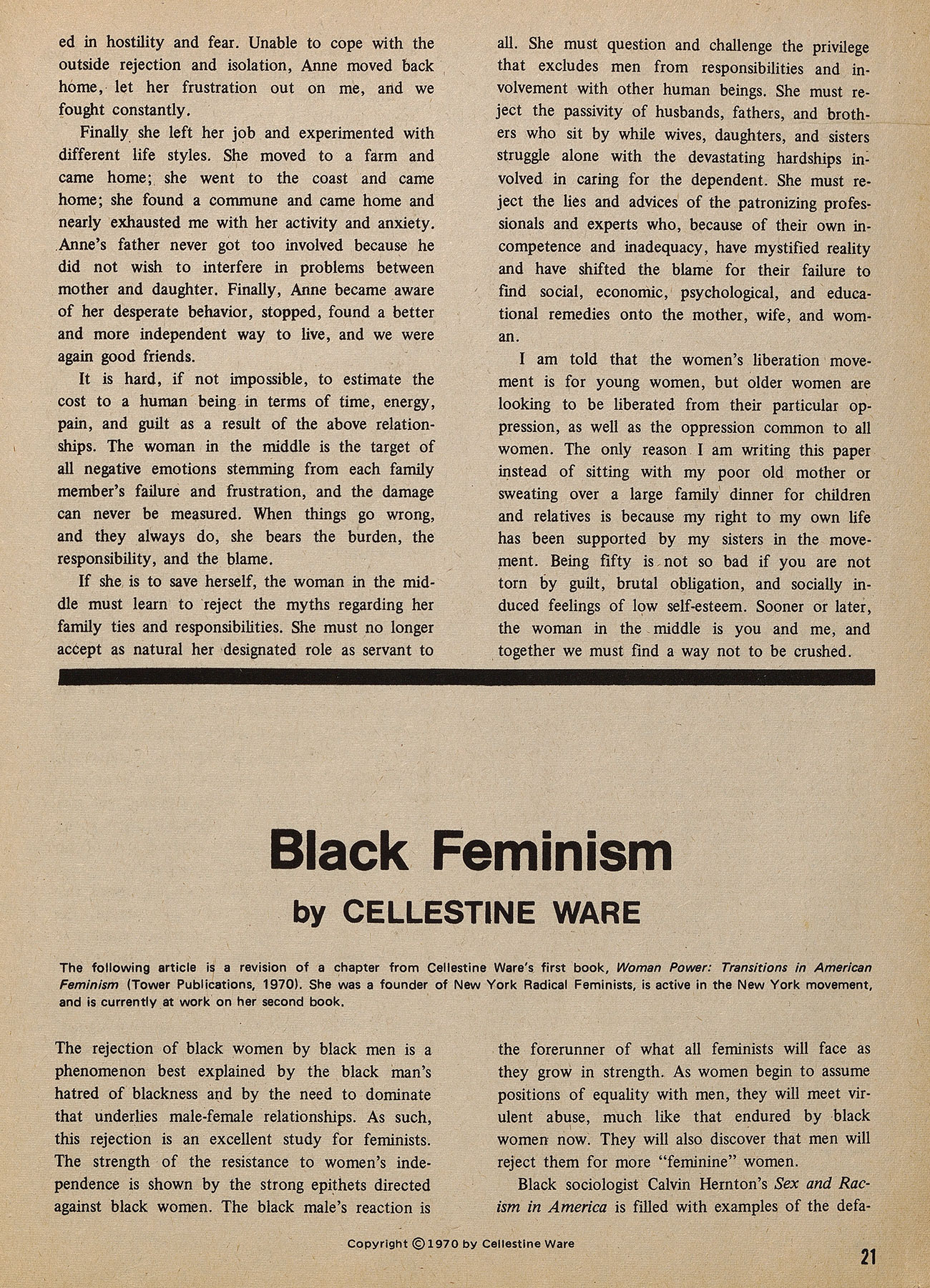
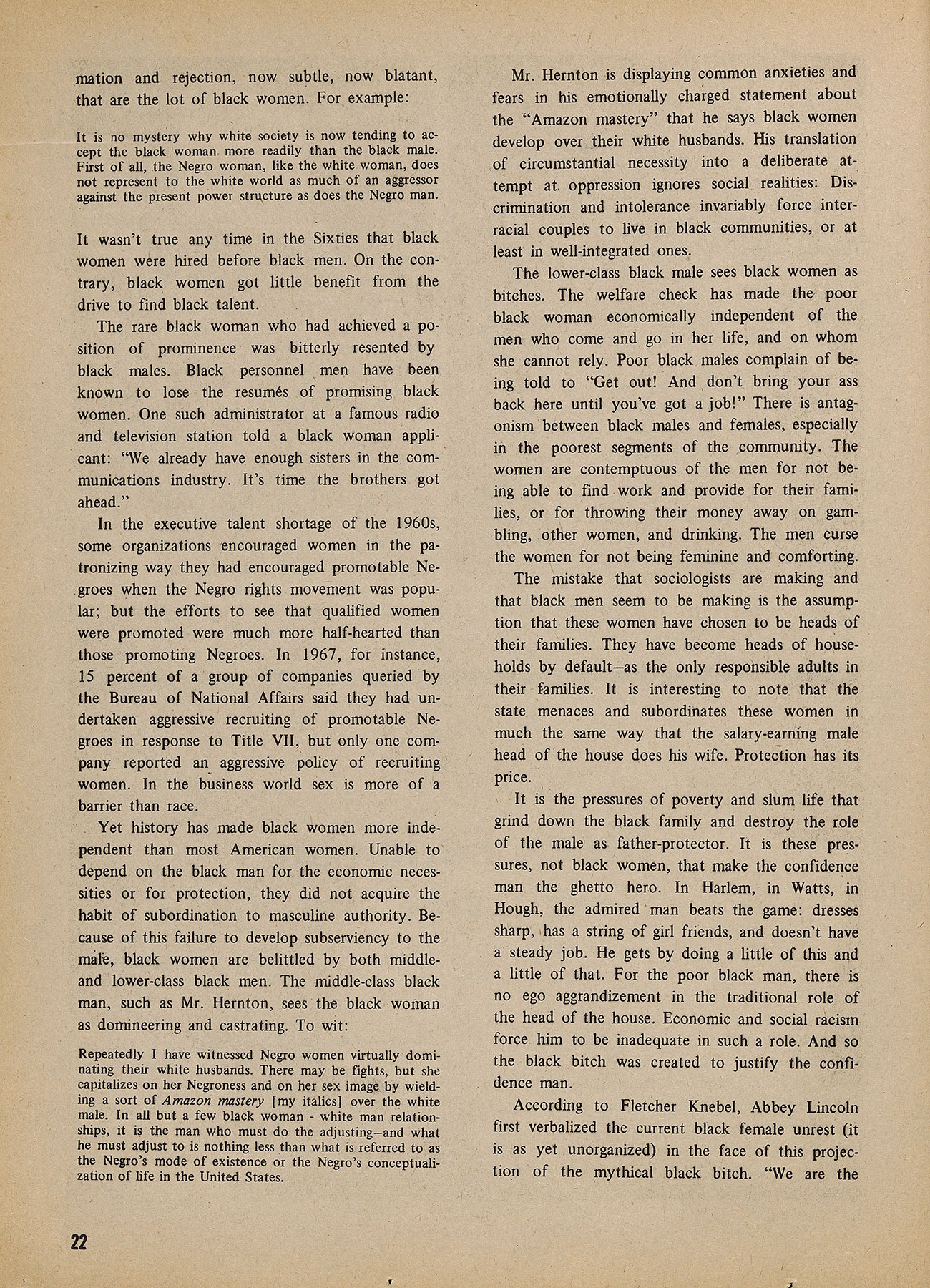
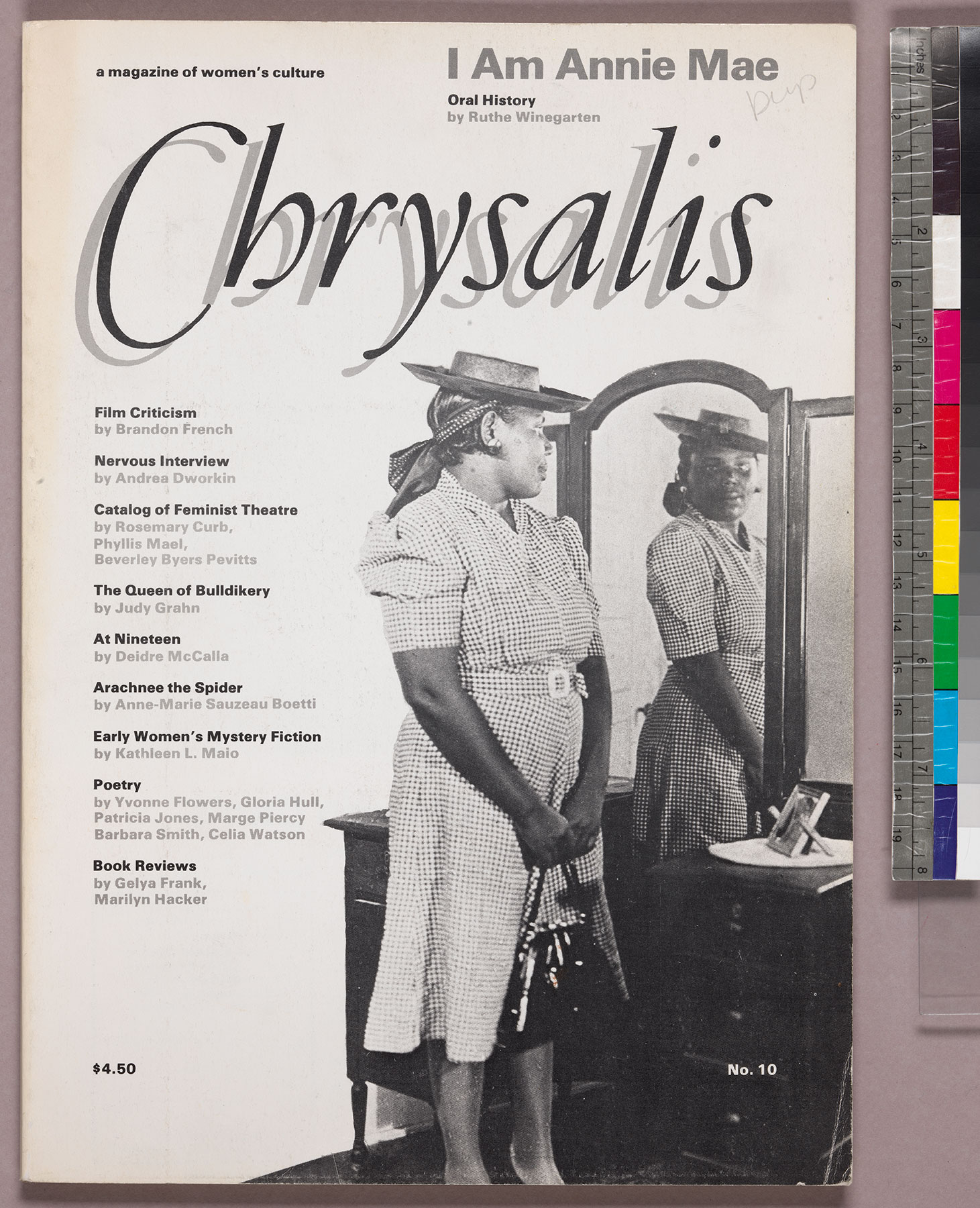
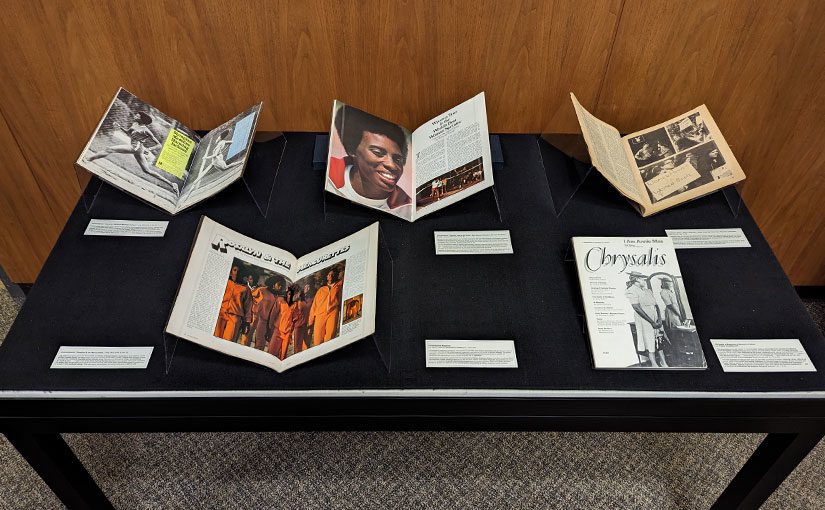
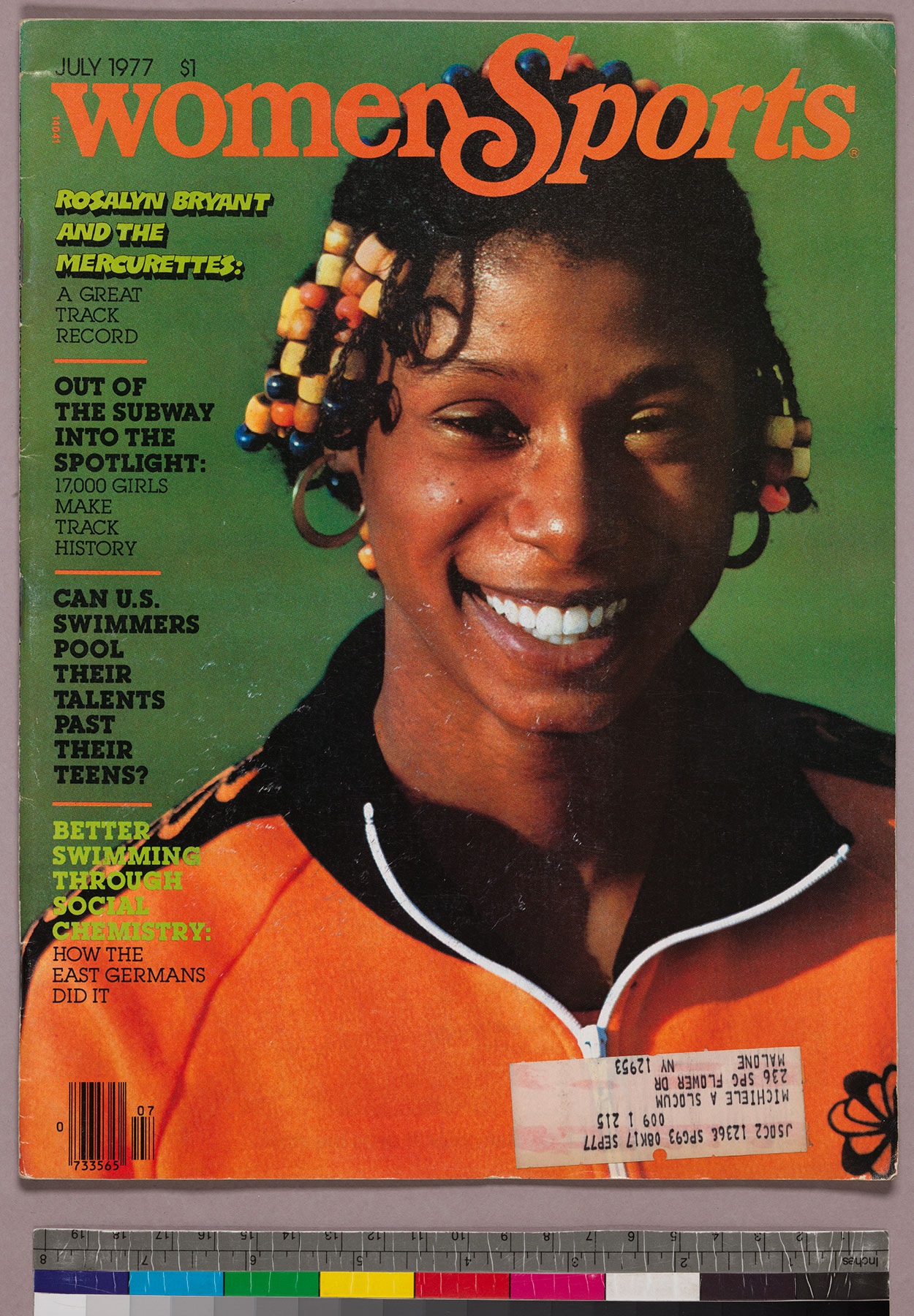
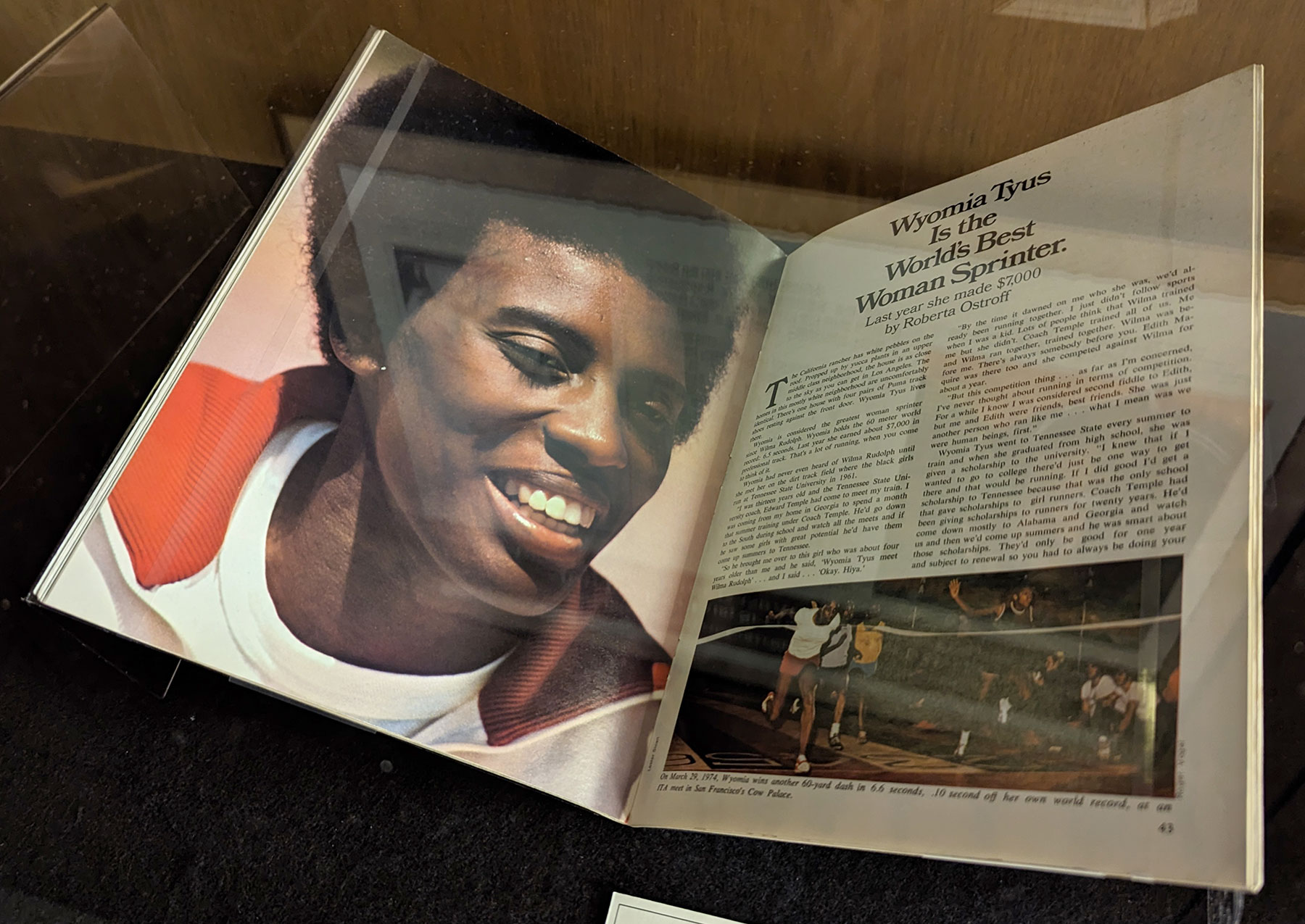
2023: African American Women Activists and Athletes in 1970s Feminist Magazines

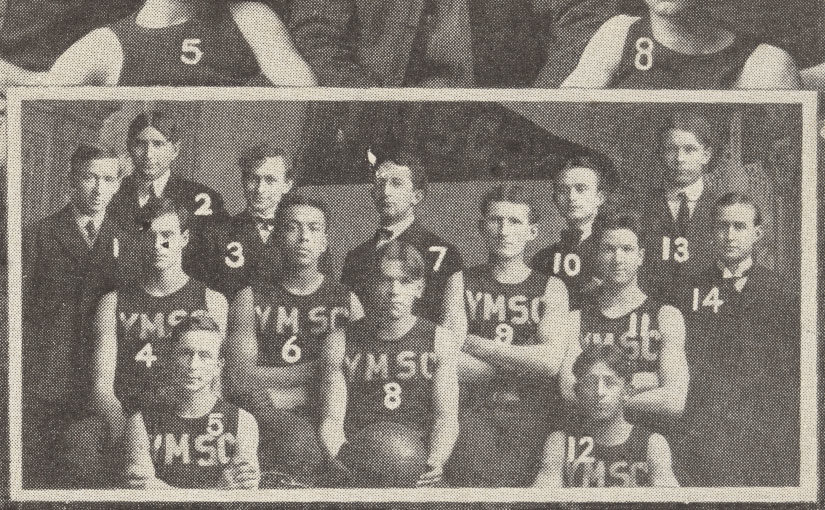
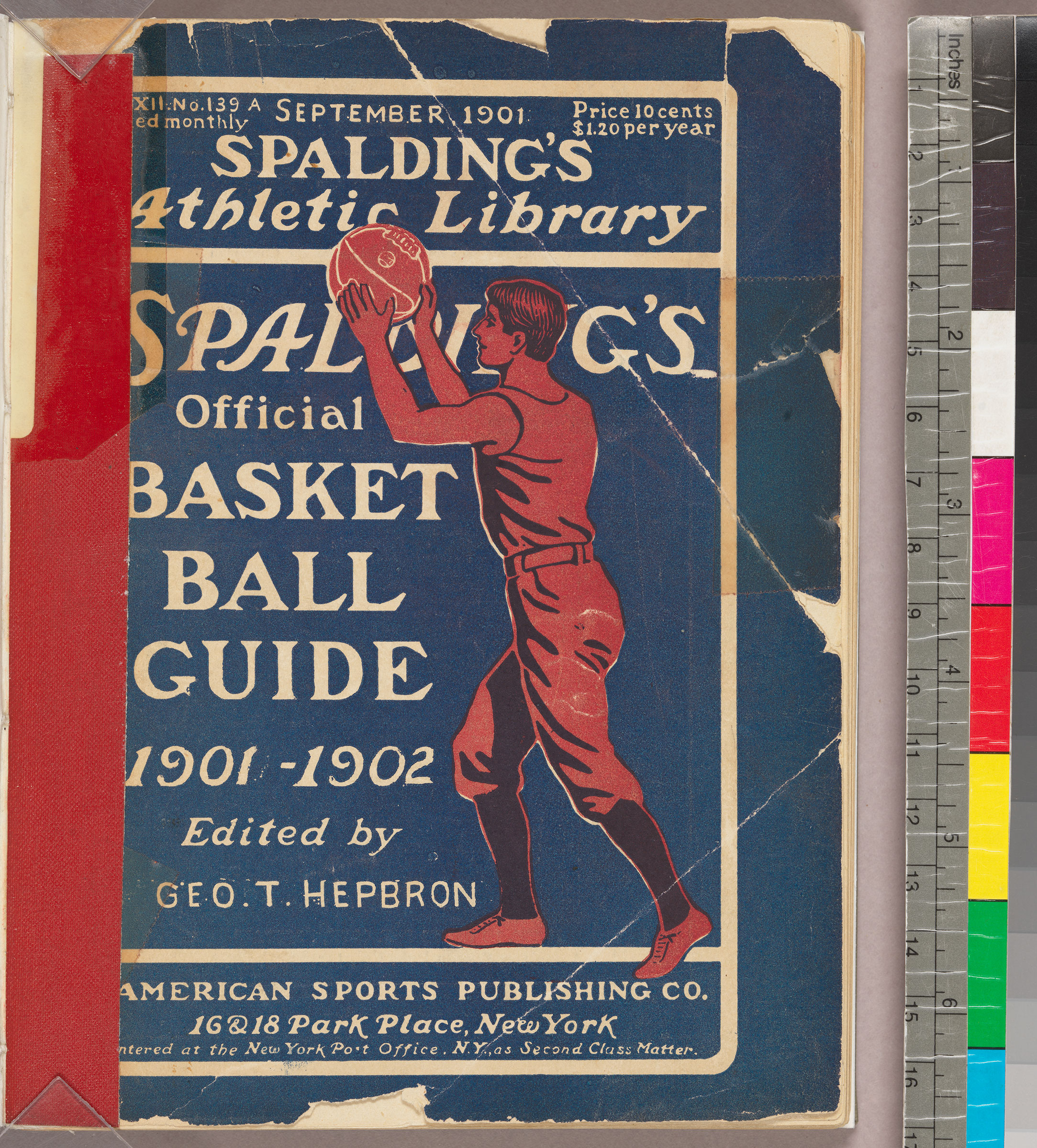
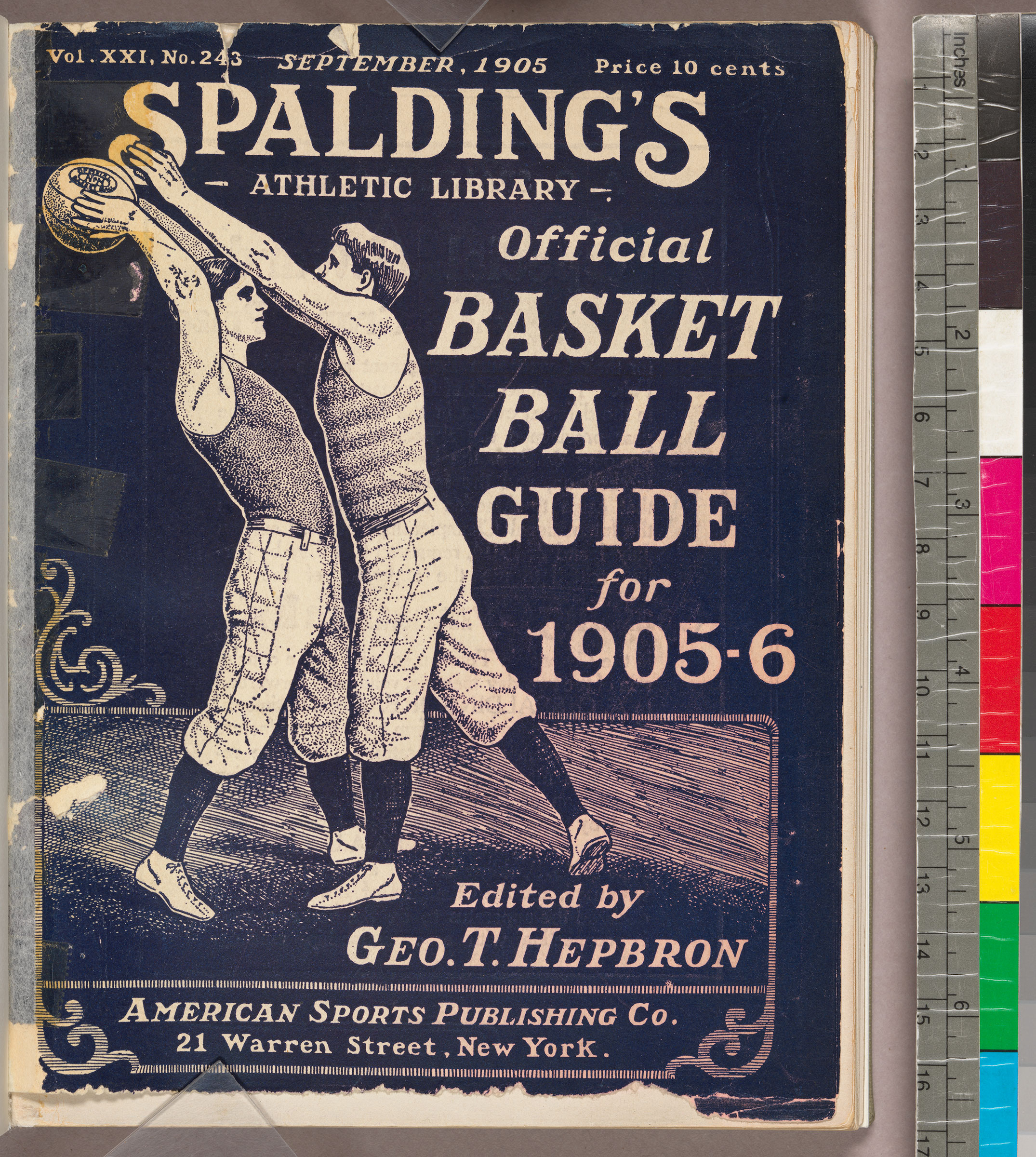
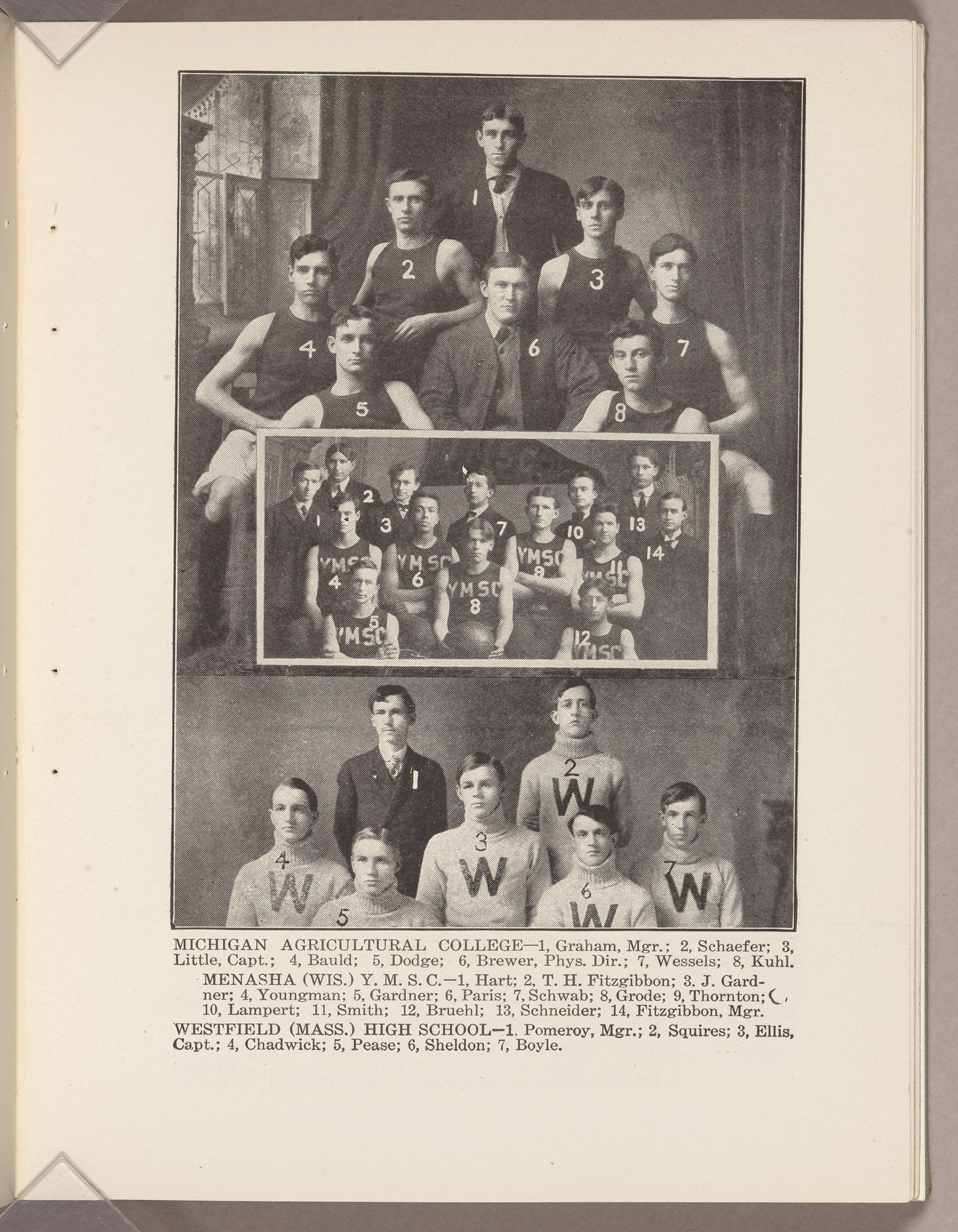
2022: Searching for Claude Monroe Paris, Unheralded African American Basketball Pioneer: Documenting Black History Using Notre Dame’s Joyce Sports Research Collection

2021: Paul Laurence Dunbar’s New Literary Tradition Packaged to Sell

2017: African Americans and Populism

Upcoming Events: February 2026

Please join us for the following public events and exhibits being hosted in Rare Books and Special Collections:

Monday, February 16 at 4:00–6:00pm | WORKSHOP – Envisioning Dante, c. 1472-c. 1630: Seeing and Reading the Early Printed Page

Join Professor Guyda Armstrong (University of Manchester) and Dr Giles Bergel (University of Oxford) for an interactive workshop showcasing new digital methods for studying early modern printing. This session will introduce the research questions and first findings of Envisioning Dante c. 1472-1630: Seeing and Reading the Early Printed Page, funded by the UK government (c. £1 million; 2022-25). Participants will be given practical, hands-on demonstrations of the techniques and new digital tools developed by the project for analyzing and comparing early printed books.


The Spring 2026 Exhibition | Cultivating Community: Stories from Special Collections

This exhibition highlights stories of survival, contemplation, competition, protest, and learning, from six distinct collections in Rare Books and Special Collections. Each section, presented by a different subject curator, focuses on an example of how people over time and in different places, construct community and cultivate hope.

Curated by Rachel Bohlmann, Ph.D. (Curator, American History and American Studies), Gregory Bond, Ph.D. (Curator, Joyce Sports Research Collection), David T. Gura, Ph.D. (Curator, Ancient and Medieval Manuscripts), Matthew Knight, Ph.D. (Irish Studies Librarian and Curator), Natasha Lyandres (Curator, Rare Books & Special Collections), and Payton Phillips Quintanilla, Ph.D. (Librarian and Curator for Latin American and Iberian Studies).

This and other exhibits within the Hesburgh Libraries are generously supported by the McBrien Special Collections Endowment.


The current spotlight exhibits are Pennant Race: Souvenir Fan Pennants of the Negro Baseball Leagues (January–February 2026) and First Impressions: An Introduction to Mesoamerican sellos / Primeras impresiones: Una introducción a los sellos mesoamericanos (January–April 2026).

All exhibits are free and open to the public during business hours.


Welcome Back! Spring 2026 in Special Collections

Rare Books and Special Collections welcomes students, faculty, staff, researchers, and visitors back to campus for Spring ’26! Here are some things to watch for in Special Collections during the coming semester.

Special Collections Welcomed a New Postdoctoral Research Associate during the Fall 2025 Semester

Ruben Celani
(Photo by Matt Cashore / University of Notre Dame)

Ruben Celani, Ph.D., joined the Hesburgh Libraries in October as a postdoctoral research associate in Italian Studies and Zahm Dante Collection curatorial fellow. He works in Rare Books & Special Collections as a subject liaison for Italian studies and curator of the Libraries’ extensive rare Italian collections, while also pursuing his own academic research.

Prior to joining the Hesburgh Libraries, Celani served as an adjunct lecturer in the Department of Literary Studies at Ghent University in Belgium. He holds a Ph.D. from Ghent University in Literary Studies with specialization in Italian Studies, as well as a bachelor’s and a master’s degree in Archival and Library Sciences from the University of Rome “La Sapienza.” Ruben has experience working in libraries in Rome, The Hague, and Antwerp.

Read the full press release on the Hesburgh Library website.

Spring 2026 Exhibition — Cultivating Community: Stories from Special Collections

Opening January.

This exhibition highlights stories of survival, contemplation, competition, protest, and learning, from six distinct collections in Rare Books and Special Collections. Each section, presented by a different subject curator, focuses on an example of how people over time and in different places, construct community and cultivate hope.

Curated by Rachel Bohlmann, Ph.D. (Curator, American History and American Studies), Gregory Bond, Ph.D. (Curator, Joyce Sports Research Collection), David T. Gura, Ph.D. (Curator, Ancient and Medieval Manuscripts), Matthew Knight, Ph.D. (Irish Studies Librarian and Curator), Natasha Lyandres (Curator, Rare Books & Special Collections), and Payton Phillips Quintanilla, Ph.D. (Librarian and Curator for Latin American and Iberian Studies).

Spotlight Exhibits Opening in January

Pennant Race: Souvenir Fan Pennants of the Negro Baseball Leagues

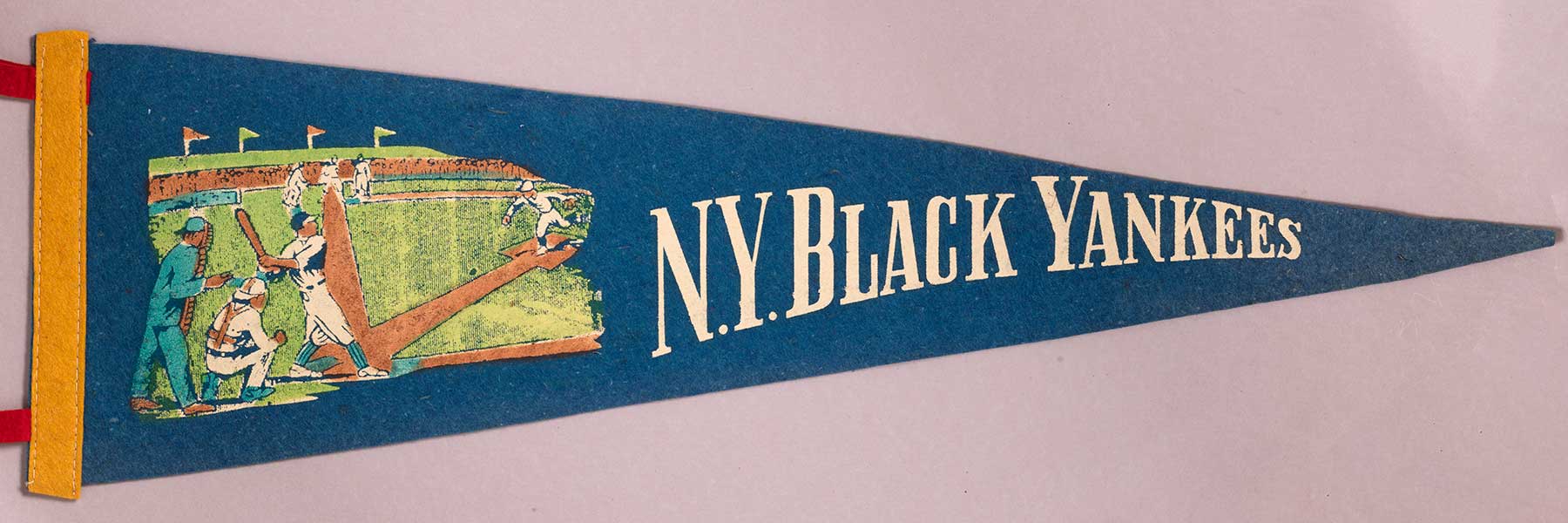
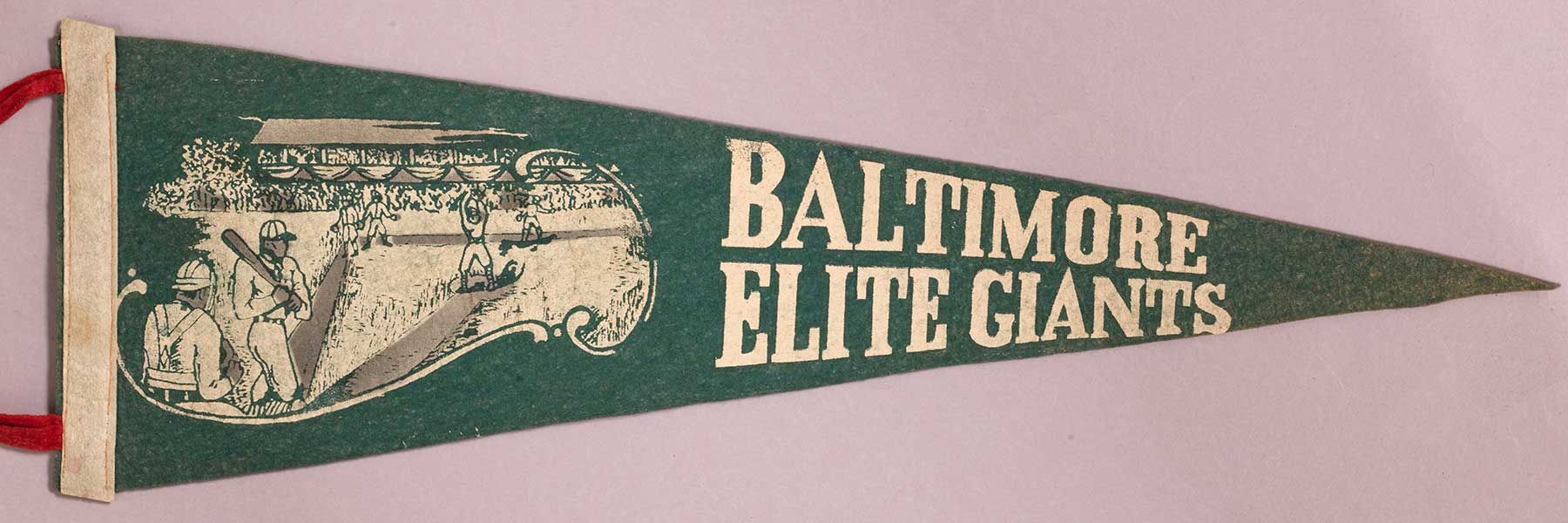
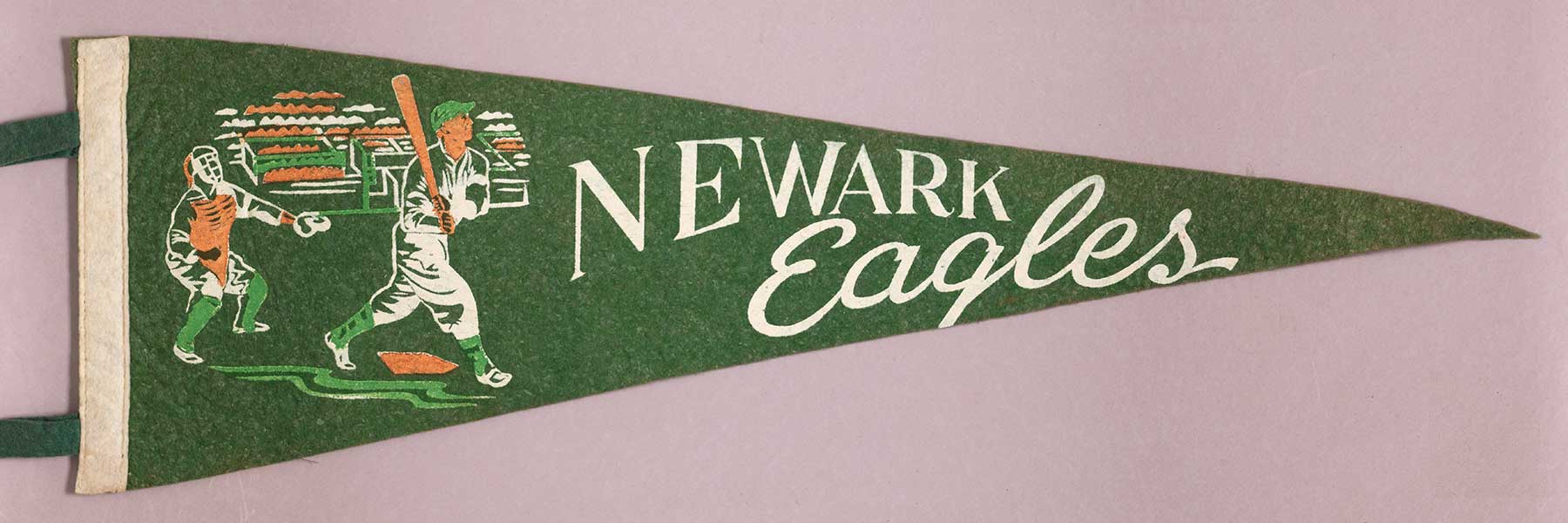
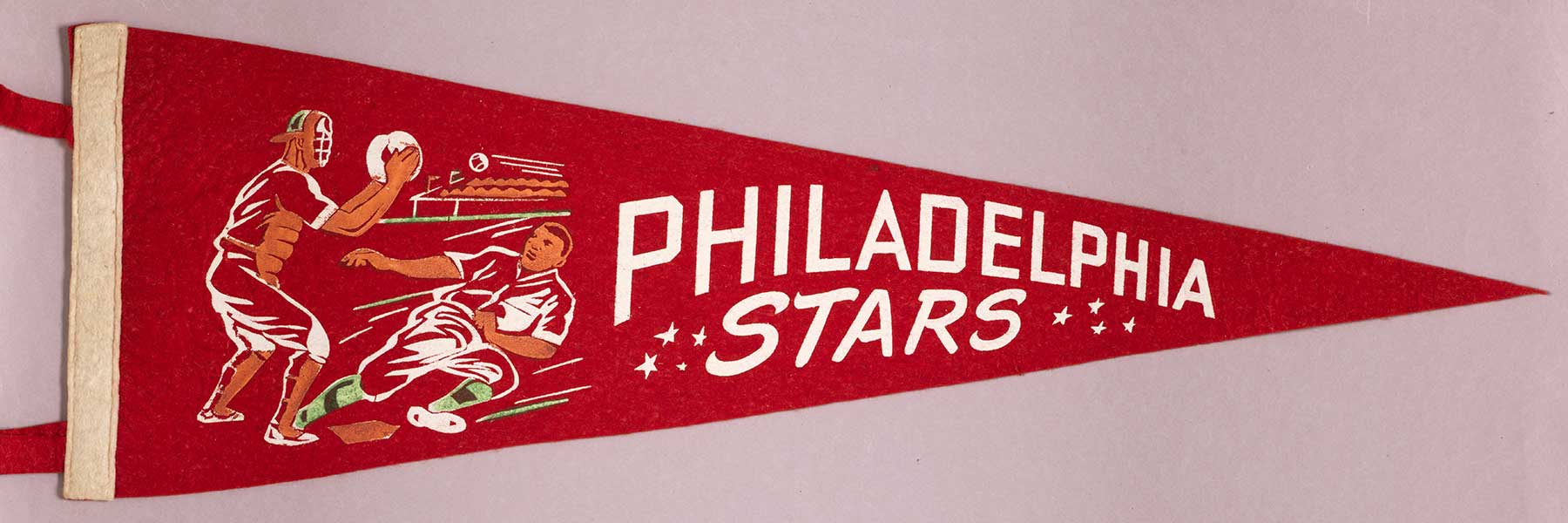
In honor of Dr. Martin Luther King Day (January 19th), the birthday of Jackie Robinson (January 31st), and Black History Month (February), Rare Books and Special Collections is pleased to highlights examples from its collection of souvenir fan pennants from the Negro Baseball Leagues. The colorful collectible felt souvenir pennants represent leading Black baseball teams of the 1930s and 1940s and feature large screen-printed graphics of African American baseball players in action.

Curated by Gregory Bond (Curator of the Joyce Sports Research Collection).

First Impressions: An Introduction to Mesoamerican sellos / Primeras impresiones: Una introducción a los sellos mesoamericanos

Created across multiple centuries, geographies, and cultures, pre-Hispanic clay sellos (flat and cylindrical stamps and seals) are celebrated as the earliest manifestation of Mesoamerican print culture. This cross-repository Spotlight Exhibit presents a selection of sellos stewarded by the Raclin Murphy Museum of Art; two emblematic publications of sello designs, preserved in the Hesburgh Libraries’ Rare Books and Special Collections; and contemporary examples of sello-inspired visual arts.

Curated by Payton Phillips-García Quintanilla (Librarian and Curator for Latin American and Iberian Studies).

These and other exhibits within the Hesburgh Libraries are generously supported by the McBrien Special Collections Endowment. All exhibits are free and open to the public during regular hours.

Special Collections’ Classes & Workshops

Throughout the semester, curators will teach sessions related to our holdings to undergraduate and graduate students from Notre Dame, Saint Mary’s College, and Holy Cross College. Curators may also be available to show special collections to visiting classes, from preschool through adults. If you would like to arrange a group visit and class with a curator, please contact Special Collections.

Learn more about bringing your students to RBSC.

Recent Acquisitions

Special Collections acquires new material throughout the year. Follow this blog for more information about recent acquisitions.


Black History Month 2025

We join with The Library of Congress, National Archives and Records Administration, National Endowment for the Humanities, National Gallery of Art, National Park Service, Smithsonian Institution and United States Holocaust Memorial Museum in paying tribute to the generations of African Americans who struggled with adversity to achieve full citizenship in American society.

Remembering the Harrisburg Trojans, Champion African American Football Team

by Greg Bond, Sports Archivist and Curator, Joyce Sports Research Collection

In recognition of Black History Month and in conjunction with the upcoming Super Bowl, Rare Books and Special Collections is pleased to highlight the recent acquisition of a unique vintage homemade fan poster about the Harrisburg Trojans.
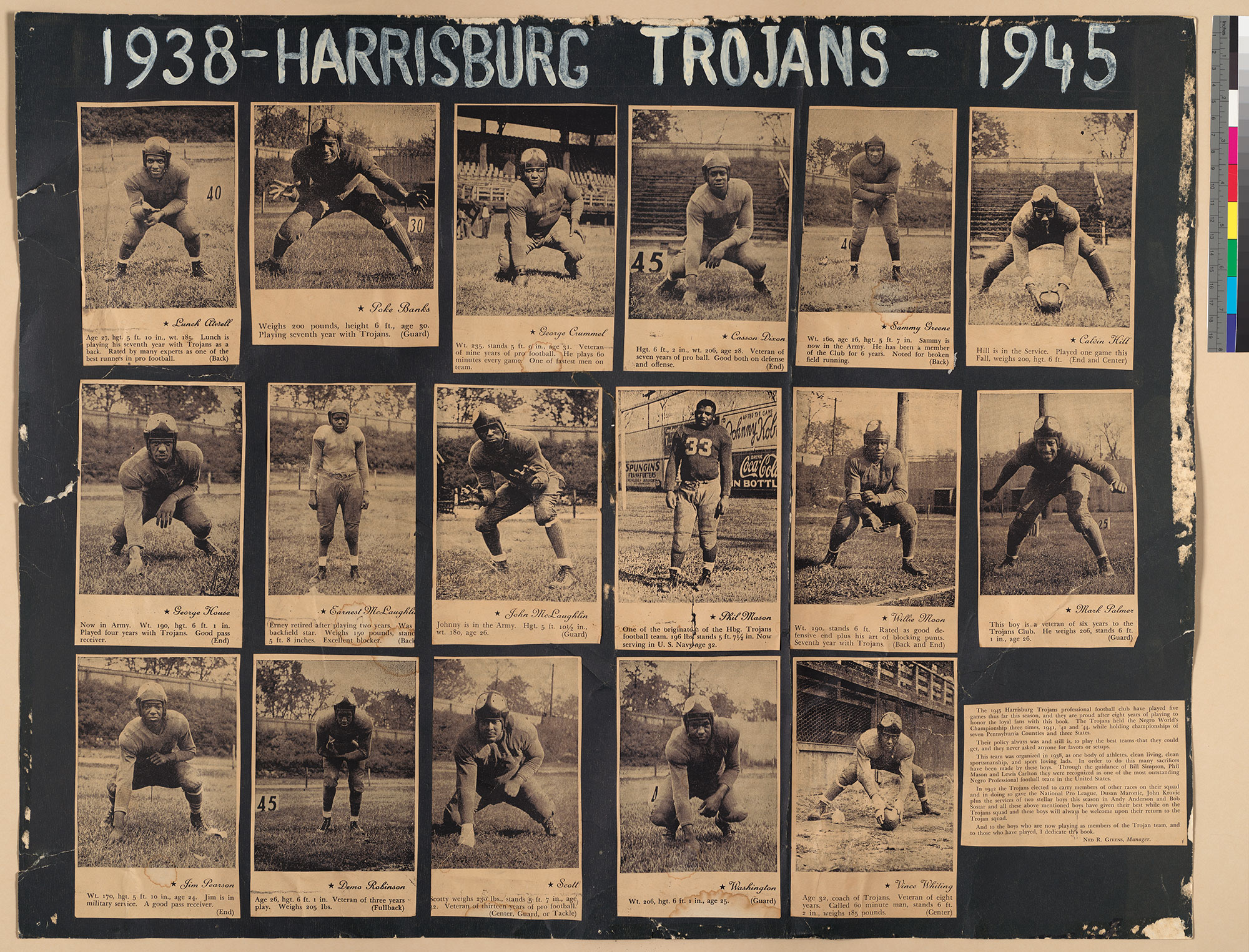
Although mostly forgotten today, the Trojans were one of the best African American football teams in the World War Two-era and the winner of the unofficial “World Negro Football Championship” in 1941. This 28-inch by 22-inch poster made by an unknown fan in about 1945 celebrates the accomplishments of the Trojans and provides a rare insight into fan culture around African American sports teams during the era of segregation.

Willie Moon

Founded in Harrisburg, Pennsylvania, in 1938, the Trojans were composed mainly of African American athletes who had played high school football in the region, and they quickly developed a reputation as a talented team. The Trojans attracted considerable press coverage and routinely drew big crowds for the high quality of their play against both white and African American semi-pro, amateur, and professional teams. 

The Trojans regularly competed at the highest levels of African American football. On Sunday, November 2, 1941, for example, the New York Brown Bombers, one of the best and most well-known African American teams in the country, visited Harrisburg and played the Trojans in a game billed as the “World Negro Football Championship.” 

Lunch Atwell

In a thrilling and hard-fought game, the Trojans upset the favored Brown Bombers 12 to 7 to claim the title of best Black football team in the country. Willie Moon was the star for Harrisburg, accounting for all of the Trojans’ points. In the second quarter, Moon blocked a Brown Bombers’ punt and recovered the ball in the end zone for a touchdown. Trailing 7-6, late in the fourth quarter, Harrisburg’s Lunch Atwell recovered a Brown Bombers fumble on a punt return to set up more heroics by Moon. With one minute left in the game, Moon made a leaping catch in the end zone of a 22-yard pass by Sammy Greene for the game-winning touchdown. 

The local Harrisburg Telegraph newspaper (November 3, 1941, page 12) described the action:

When Willie Moon rose up in back of the goal line to snare a long forward pass for a touchdown, in the waning minutes of play, the Harrisburg Trojans football team yesterday beat the highly-touted New York Brown Bombers, 12 to 7, and cinched the World’s Negro football championship.

Moon’s spectacular leap into the air for the pass thrown diagonally across the field by Sammy Greene, was the climax of one of the most thrilling grid battles seen here for a long while, and it was also a signal for hundreds of the more than 4000 persons in the stands to rush onto the playing field at Island Park to congratulate the ultimate victors.

Sammy Greene

In 1942 and 1943, the strong Washington Lions team visited Harrisburg to challenge the Trojans for the “Negro Football Championship.” In 1942, the two teams played to a 7-7 tie, and, the following year, the Lions beat Harrisburg 8-0 to earn the title.

The Trojans’ financial and administrative affairs were handled in these years by business manager Ned R. Givens and promoter William E. “Bud” Marshall. The Trojans continued playing each fall through about the 1950 season.

Unusually, although the players on the Trojans were predominantly African American, the team added white players to its roster for both the 1942 and 1945 seasons. In 1942, the Trojans fielded white players Dusan “Duke” Maronic—who would go on to play in the NFL for the Philadelphia Eagles from 1944 through 1950—and John Krovic. In 1945, the team included white players Andy Anderson and Bob Sostar.

Years after, Duke Maronic recalled his time with the Trojans: “Later, I played for the Harrisburg Trojans. They were an all-Negro team. I was the only white guy on the Team. I never gave much thought to it. Neither did the black guys, but once in a while one of the opponents would make a remark.”

George House, Ernest McLaughlin, and John McLaughlin

Besides old clippings from the 1930s and 1940s in central Pennsylvania newspapers or in the African American press, however, there is little available information about the Harrisburg Trojans. Fortunately for researchers, the anonymous creator of this remarkable fan poster has preserved an exceedingly rare source about the Trojans. 

Phil Mason

On a piece of black cardboard underneath a heading that reads “1938-Harrisburg Trojans-1945,” the unknown fan has pasted clippings from a promotional pamphlet written and published by business manager Givens. Except for these extracts, there are apparently no other known extant copies of Givens’s pamphlet. It is also unknown if the publication originally included more material than is seen here.

In a clipping from the poster about the history of the team, Givens wrote that the Trojans’

“… policy always was and still is, to play the best teams that they could get, and they never asked anyone for favors or setups. This team was organized in 1938, as one body of athletes, clean living, clean sportsmanship, and sport loving lads. In order to do this, many sacrifices have been made by these boys. Through the guidance of Bill Simpson, Phil Mason and Lewis Carlton they were recognized as one of the most outstanding Negro Professional football teams in the United States.”

Coach Vince Whiting

The poster features rare images and short bios from Givens’s pamphlet about 17 different men who played for the Trojans. The pictures capture talented and serious African American football players ready for action. And the remarkable piece of fan art provides a glimpse into the significance of African American sports teams during the mid-twentieth century and the way in which at least one fan related to the Trojans.

In his pamphlet, Givens concluded his brief historical summary of the team by writing: “And to the boys who are now playing as members of the Trojan team, and to those who have played, I dedicate this book.”

Today, we remember and celebrate the accomplishments of the Harrisburg Trojans and dedicate this post to their legacy.


Previous Black History Month Blog Posts:

2023: African American Women Activists and Athletes in 1970s Feminist Magazines

2022: Searching for Claude Monroe Paris, Unheralded African American Basketball Pioneer: Documenting Black History Using Notre Dame’s Joyce Sports Research Collection

2021: Paul Laurence Dunbar’s New Literary Tradition Packaged to Sell
2017: African Americans and Populism

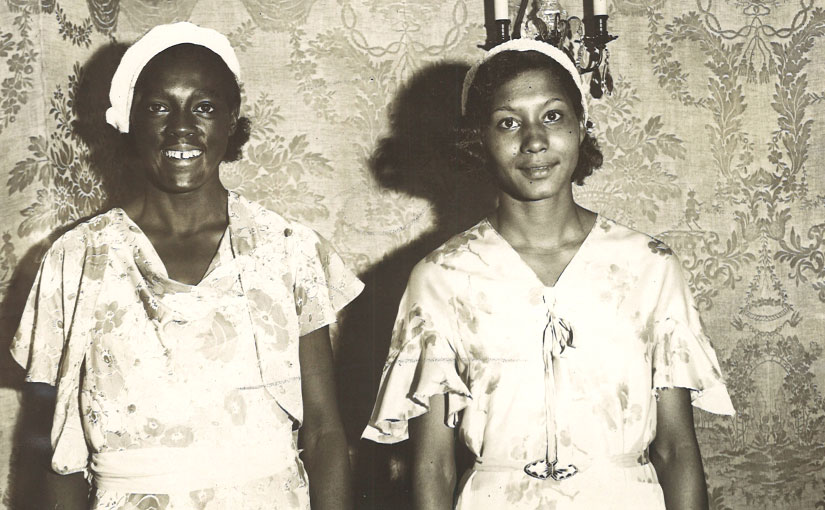
Remembering Louise Stokes and Tidye Pickett, African American Pioneers at the 1932 Olympics

by Greg Bond, Sports Archivist and Curator, Joyce Sports Research Collection

When they qualified for the 1932 Los Angeles games sprinters Louise Stokes and Tidye Pickett were the first African American women to make the United States Olympic team. Based on their strong times at the Olympic trials, Stokes and Pickett were named to the pool of six women that would be chosen for the 4×100 relay team (in those years the final official team was chosen a short time prior to the actual competitions).

The 18-year-old Stokes (from Malden, Massachusetts) and 17-year-old Pickett (from Chicago) were the only African Americans on the U.S. women’s team. But a large contingent of women athletes was, itself, relatively new. Only a few women had appeared in the first several Olympics. Starting with the 1928 games, though, the International Olympic Committee sanctioned women’s competition in a broader range of events, including more strenuous activities like track and field

The Fred L. Steers Papers in the Joyce Sports Research Collection holds manuscript material that documents the 1932 Los Angeles Olympics experience of Stokes, Pickett, and their teammates. Steers, a track athlete and 1911 graduate of Notre Dame, worked as a lawyer in Chicago and was a long-time administrator for the Amateur Athletic Union and the American Olympic Committee, the forerunner of the modern United States Olympic Committee. During the 1928, 1932, and 1936 Olympics, Steers was the Manager of the United States Women’s Track and Field Teams where he was in contact with the two African American women Olympians.

Historians who have written about Stokes and Pickett note that they frequently faced discrimination during their time on the Olympic team. Their own teammates sometime hazed them. They also routinely encountered the color line and were often not allowed to eat with the rest of the team—including in the dining room of the team hotel in Los Angeles.

Nevertheless, due to their fast qualifying times Stokes and Pickett had originally been expected to be members of the final American 4×100 relay team. Before the event, however, athletic administrators reshuffled the lineup and replaced the African Americans with two of their white teammates. The Chicago Defender, one of the country’s most influential African American newspapers blamed “this bit of back room treachery” on “lily-whiteism” and reported that “the injustice of this move is being placarded by track followers out here but to no avail” (“Tydia Pickett May Lose Olympic Spot,” Chicago Defender 30 July 1932, p. 8). 

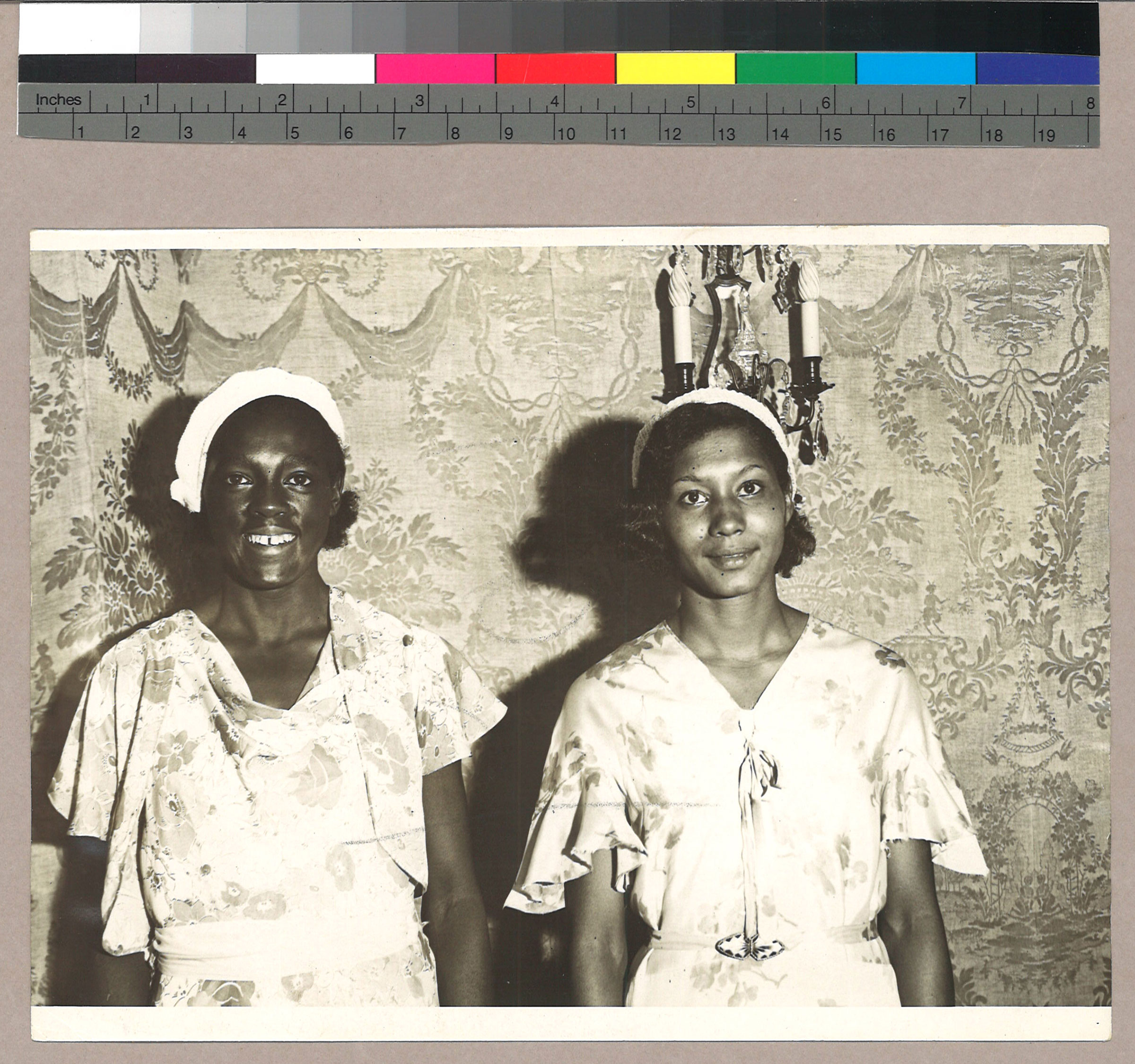
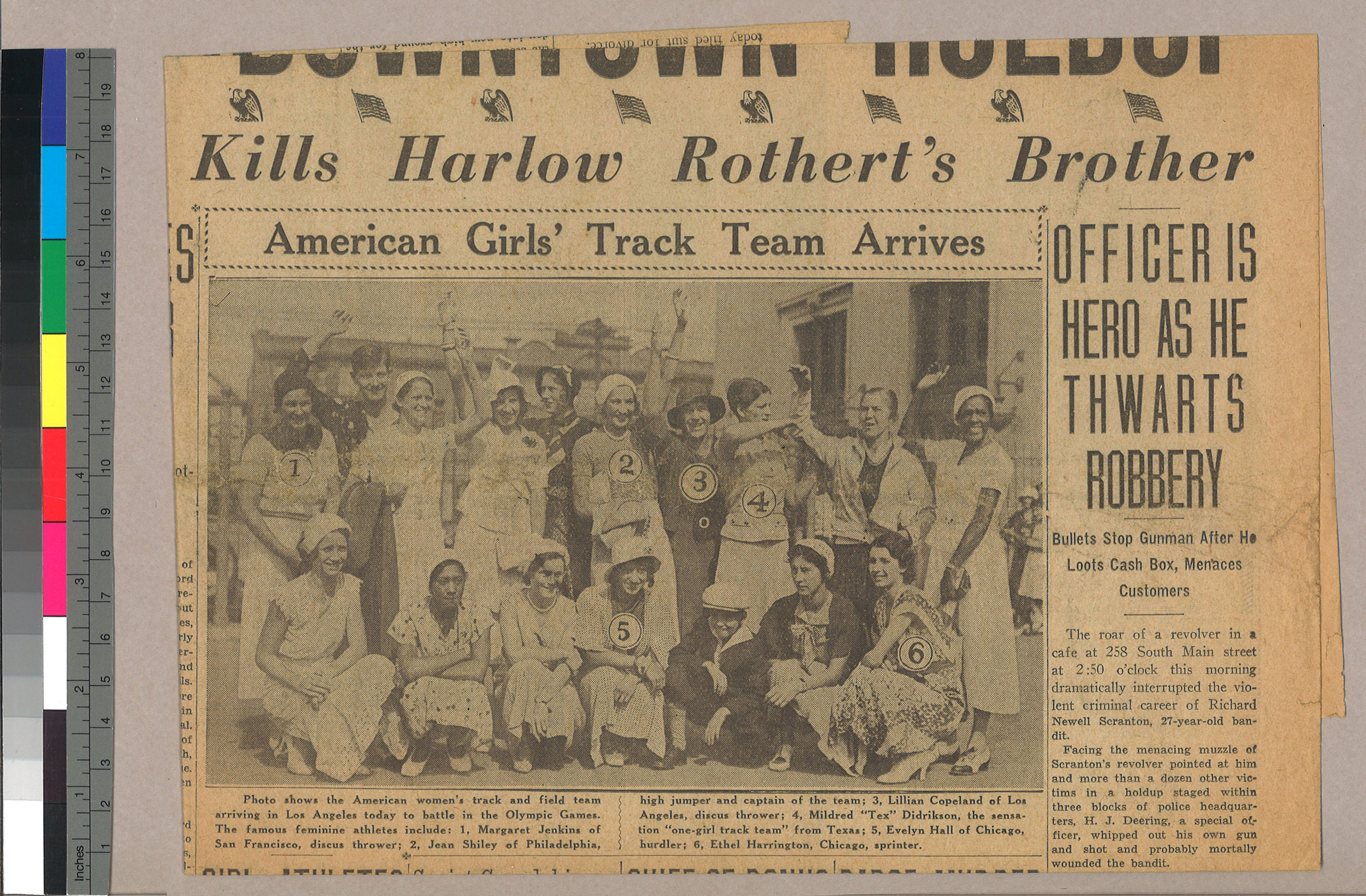
Unfortunately, the Steers Papers does not contain any additional information about the decision to bench Stokes and Pickett. But the collection does include documentation about their presence with the U.S. Olympic team. One of the most prominent items is a rare photograph of Stokes and Pickett posing together in street clothes (MSSP 5000-56: X Olympiad, Los Angeles. Photographs, 1932). A clipping from the Los Angeles Herald Express includes a large picture titled “American Girls’ Track Team Arrives” showing Stokes (standing, right) and Pickett (kneeling, second from left) with their teammates (MSSP 5000-57: X Olympiad, Los Angeles. Newspaper clippings, 1932).

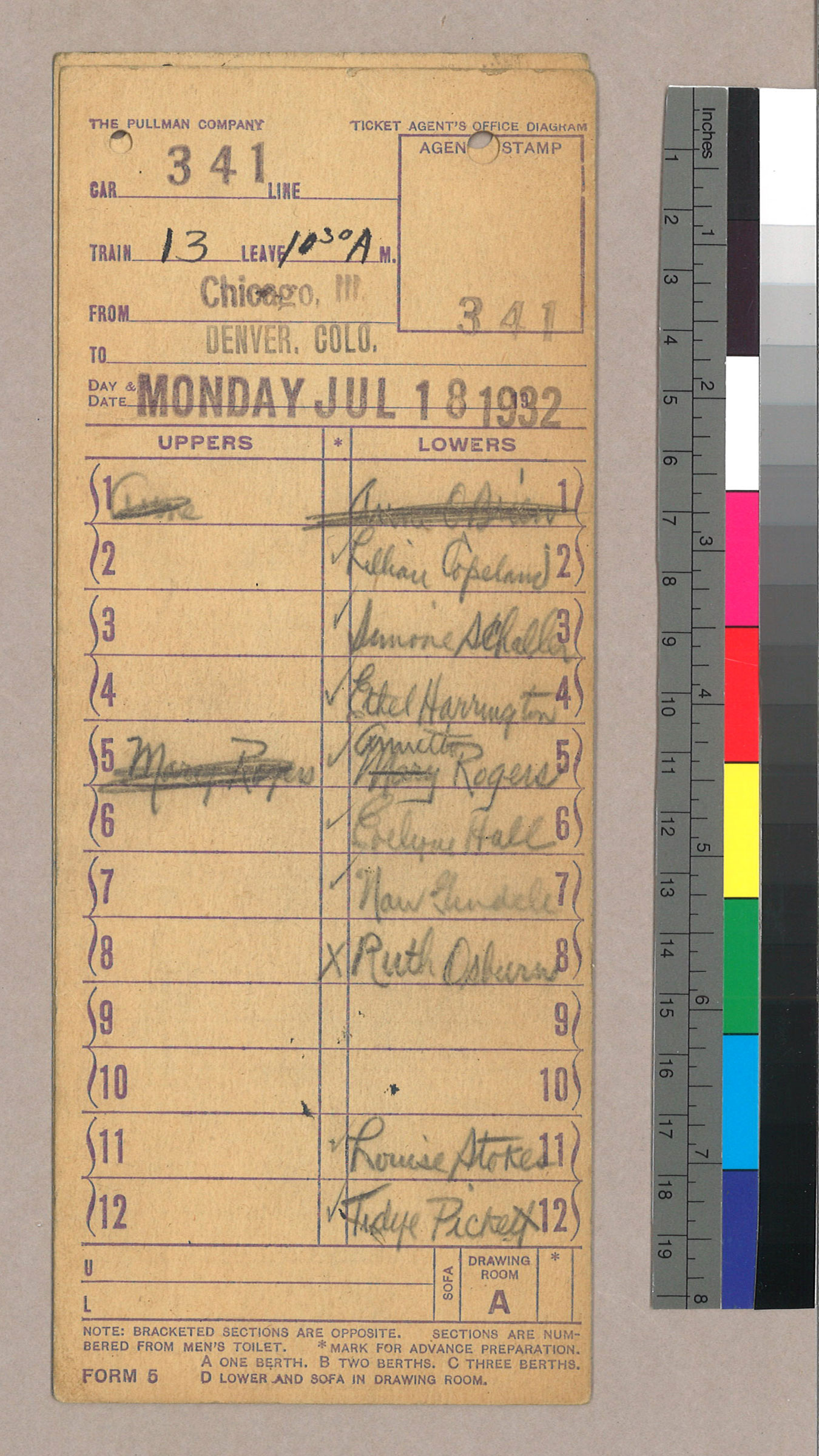
The Steers Papers does contain an original manuscript item attesting to some of the discriminatory treatment encountered by the two African American women. A passenger list and reservations receipt for the train trip that the U.S. women’s Olympic track and field team took from Chicago to Denver en route to L.A. suggests that Steers racially segregated the athletes while they were on the train. The passenger card shows the lodging arrangements for the team and indicates that Steers placed Louise Stokes and Tidye Pickett in berths 11 and 12 of Pullman Car #341—separate from and two bunks away from the rest of their white teammates (MSSP 5000-54: X Olympiad, Los Angeles. Miscellaneous ephemera, 1932).

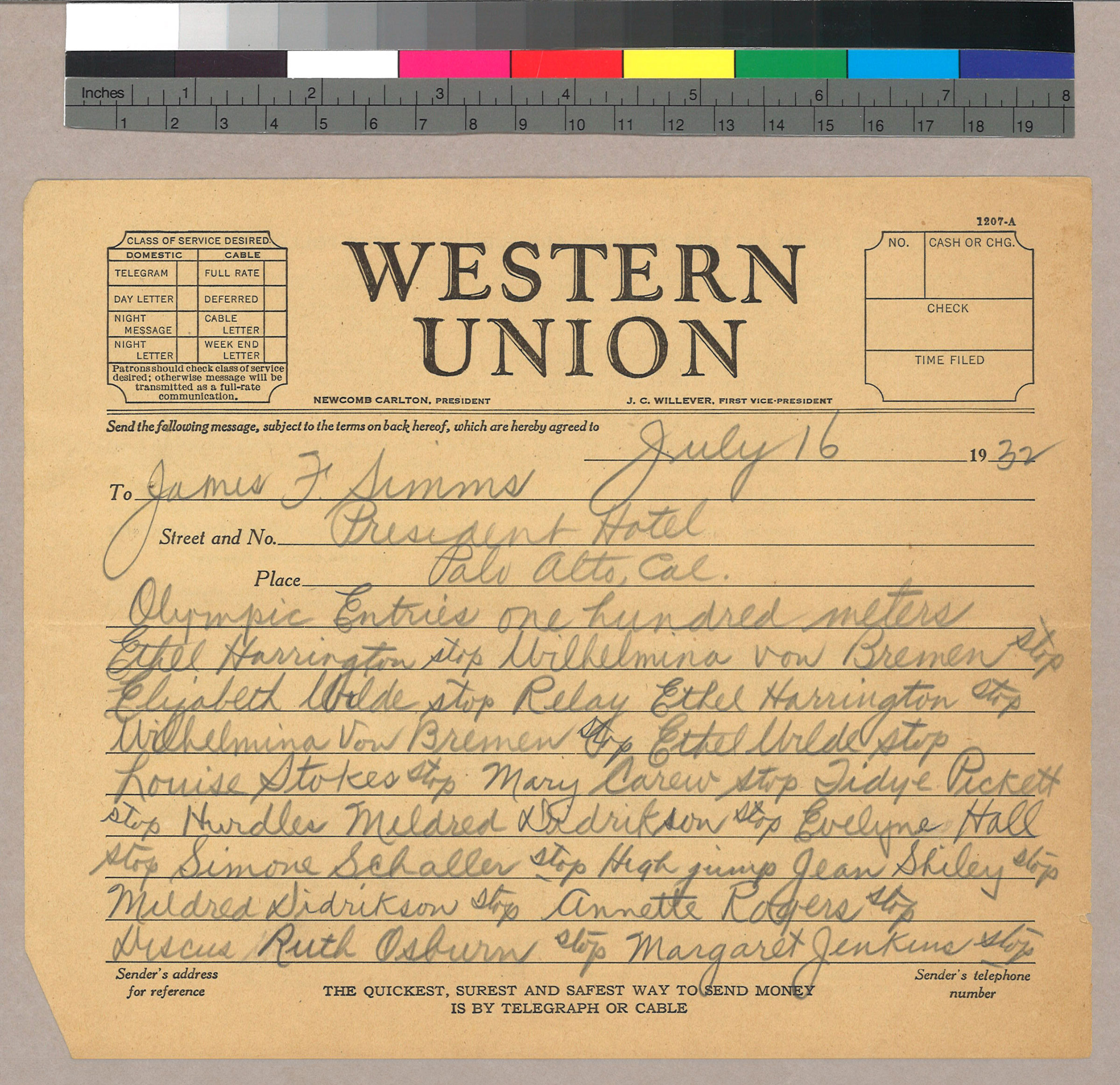
Other documents describe the presence of the two Black athletes as members of the U.S. contingent. A July 16, 1932, telegram from Fred Steers to the American Olympic Committee, for instance, lists the full official roster of the women’s track and field team. The handwritten telegram includes Louise Stokes and Tidye Pickett on line 5 as members of the relay team (MSSP 5000-52: X Olympiad, Los Angeles. Fred L. Steers correspondence, 1932). 

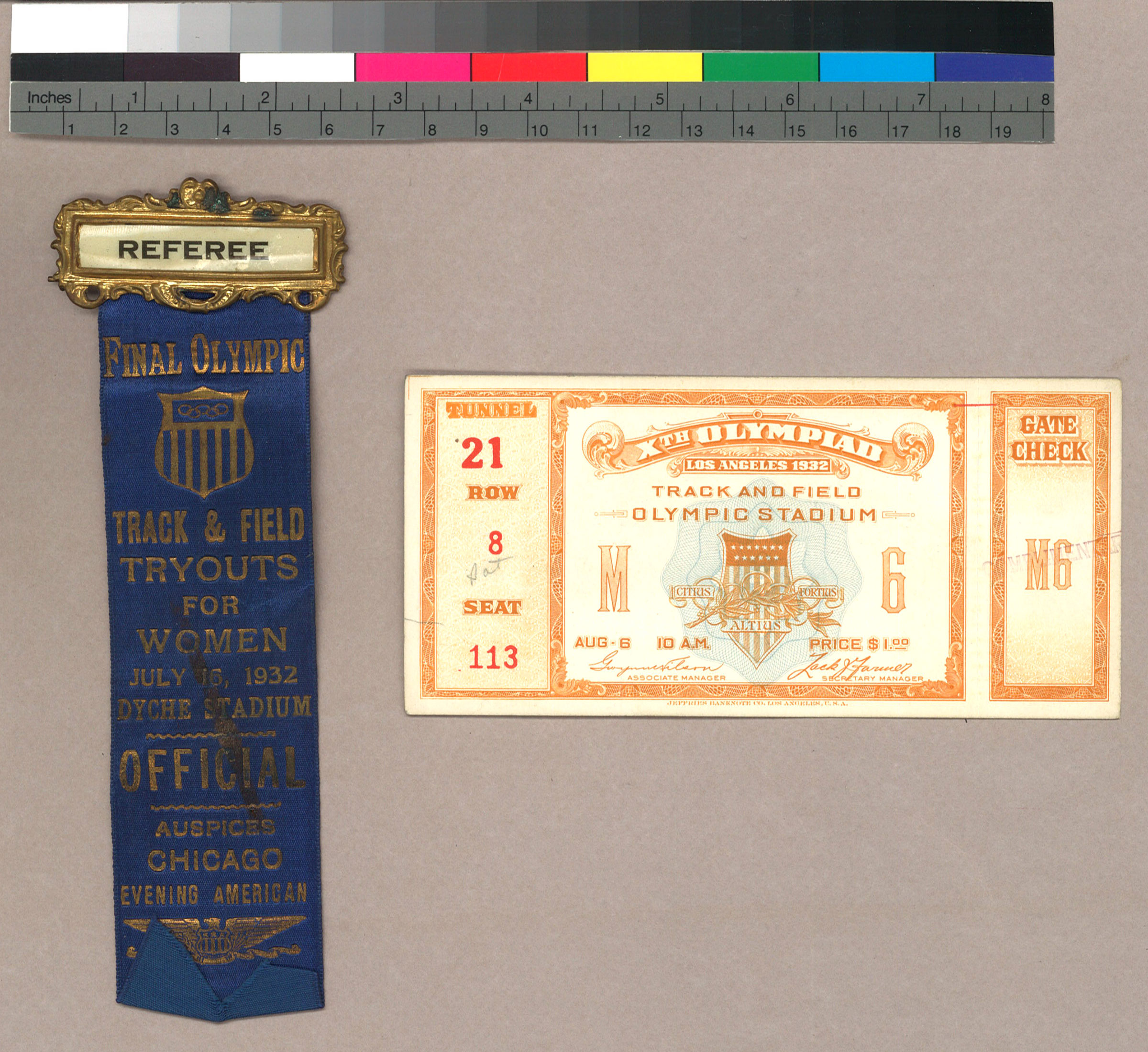
The collection contains a multitude of other ephemera related more generally to the 1932 Los Angeles Olympics. Significant items include a referee’s badge from the “Final Olympic Track & Field Tryouts for Women” held at Northwestern University’s Dyche Stadium on July 16, 1932 (MSSP 5000-55: X Olympiad, Los Angeles. Miscellaneous ephemera, 1932), and an unused ticket for events at the “Track and Field Olympic Stadium” on August 6, 1932 (MSSP 5000-54: X Olympiad, Los Angeles. Miscellaneous ephemera, 1932).

Louise Stokes and Tidye Pickett were again members of the U.S. team for the 1936 Berlin Olympics. Their trailblazing athletic careers helped pave the way for future generations of African American women Olympians.

The Fred L. Steers Papers contains plentiful records related to the United States Olympic Teams and other amateur sports from 1916–1967. The collection is open to the public and available for research.

Researching the Negro Leagues and African American Baseball in RBSC

by Greg Bond, Sports Archivist and Curator, Joyce Sports Research Collection

Major League Baseball (MLB) recently announced that it has updated its official record book to include Negro Leagues statistics from the years 1920–1948. MLB has belatedly recognized that the highest levels of African American baseball during the era of segregation constituted “major league” competition. 

The expanded inclusive record book now counts player statistics from the Negro Leagues on an equal basis with those from the National League and the American League. In these years, organized white baseball leagues notoriously excluded Black players from the playing field until Jackie Robinson’s debut with the Brooklyn Dodgers in 1947 (read a recent RBSC blog post about Jackie Robinson). 

MLB’s rewritten record book now officially recognizes the statistical accomplishments of legendary African American baseball players like power-hitting catcher Josh Gibson, MLB’s new all-time leader in batting average and slugging percentage, and pitcher Satchel Paige, who now boasts MLB’s the third-lowest single-season earned run average.

In recognition of this announcement and in honor of the upcoming Juneteenth holiday, Rare Books & Special Collections highlights material from its collections that document the history of African American baseball. These resources will allow researchers to better contextualize and understand the statistics and the history of the Negro Leagues.

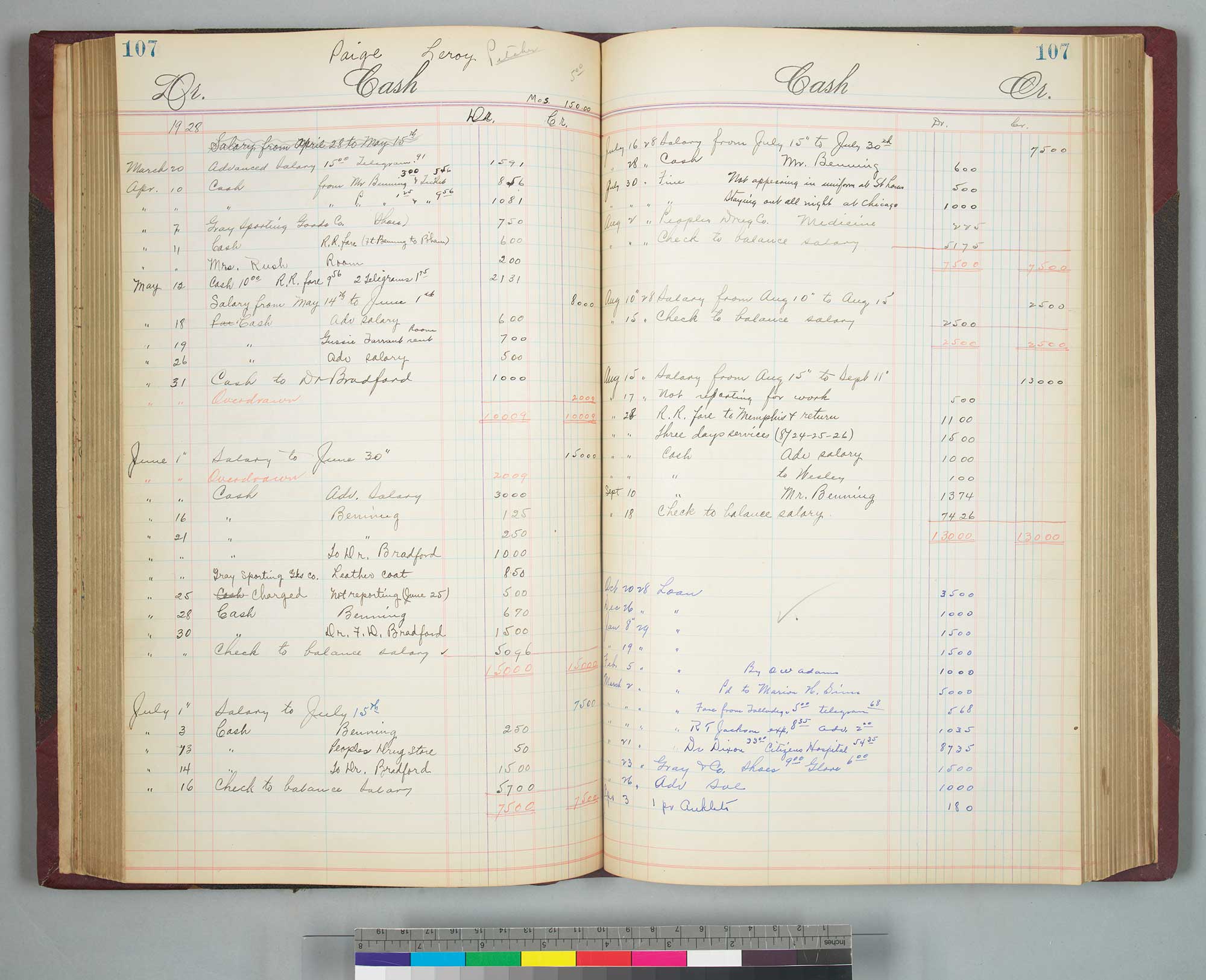
The Birmingham Black Barons Records (MSSP 0001) is a unique and important collection that documents the financial operation of the Black Barons, an influential Negro National League team. The collection includes a thick financial ledger book that lists the debits and credits—including salaries, fines, advances, expenses, etc.—for players from the 1926 through the 1930 seasons, a span which includes Leroy “Satchel” Paige’s rookie year. The Black Barons ledger book allows a rare opportunity for researchers to see the day-to-day finances of a major Negro League team. The complete ledge book has been fully digitized and is available to view through Marble.

The Birmingham Black Barons ledger book pages for Leroy “Satchel” Paige in 1928 show monthly salary credits of $80.00 and include debits on April 7th for shoes from Gray’s Sporting Goods ($7.50); unidentified debits on June 21st and June 30th to “Dr. Bradford” ($10.00 and $15.00); and fines on July 30th for “Not appearing in uniform in St. Louis” ($5.00) and “Staying out all night at Chicago” ($10.00).

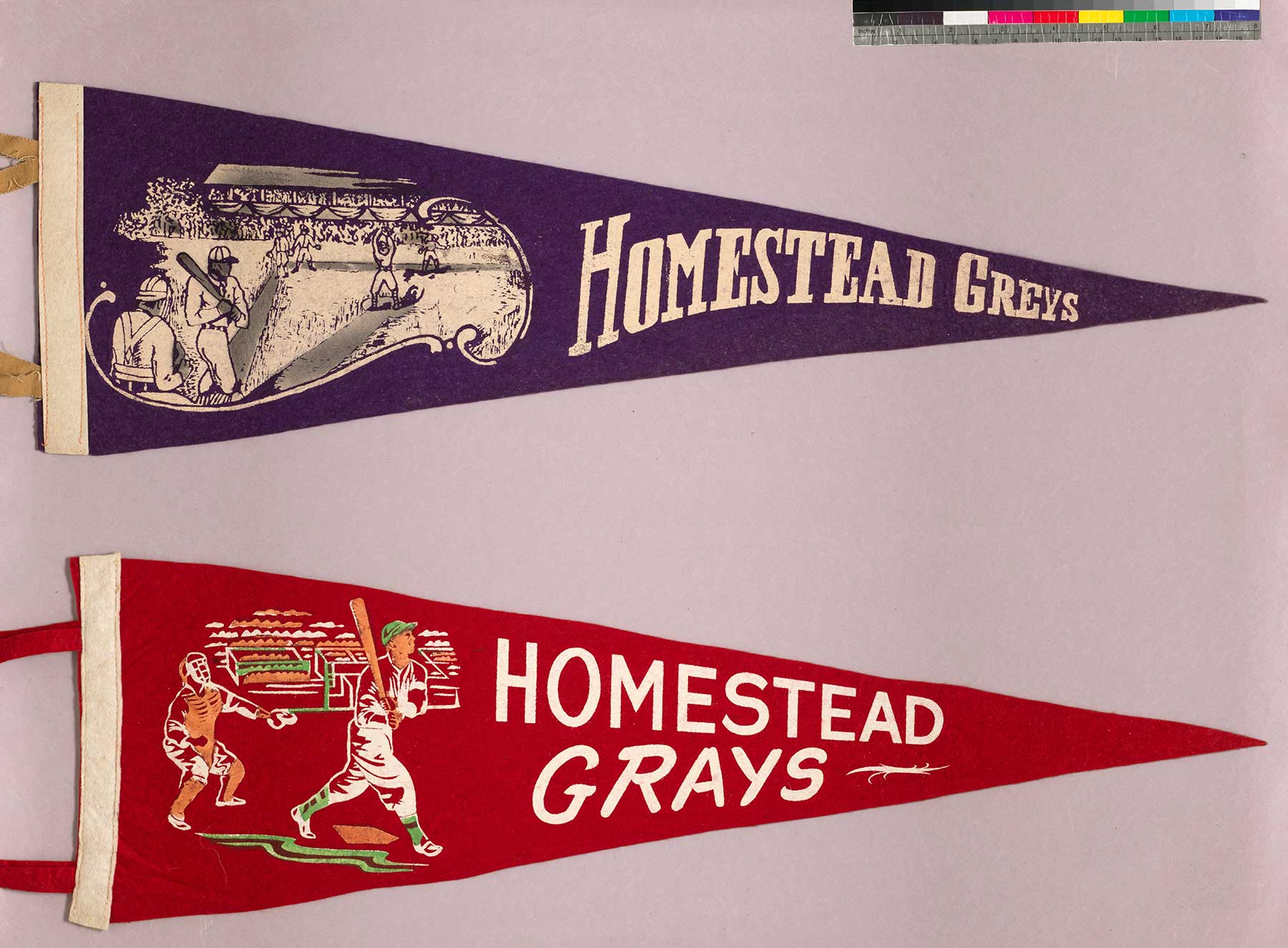
The Negro Leagues Pennant Collection (MSSP 10079) contains nine vintage (c. 1930s-1940s) felt pennants advertising African American baseball teams. These rare original souvenirs document the fan experience and the iconography of the Negro Leagues.

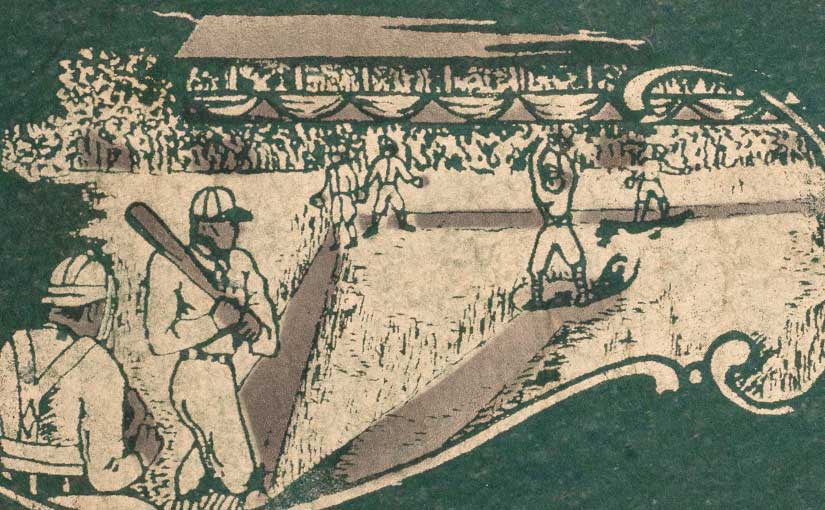
MSSP 10079-02 and 10079-03: The Negro League Pennant Collection includes two variants of pennants for the Homestead Grays, Josh Gibson’s primary Negro Leagues team.

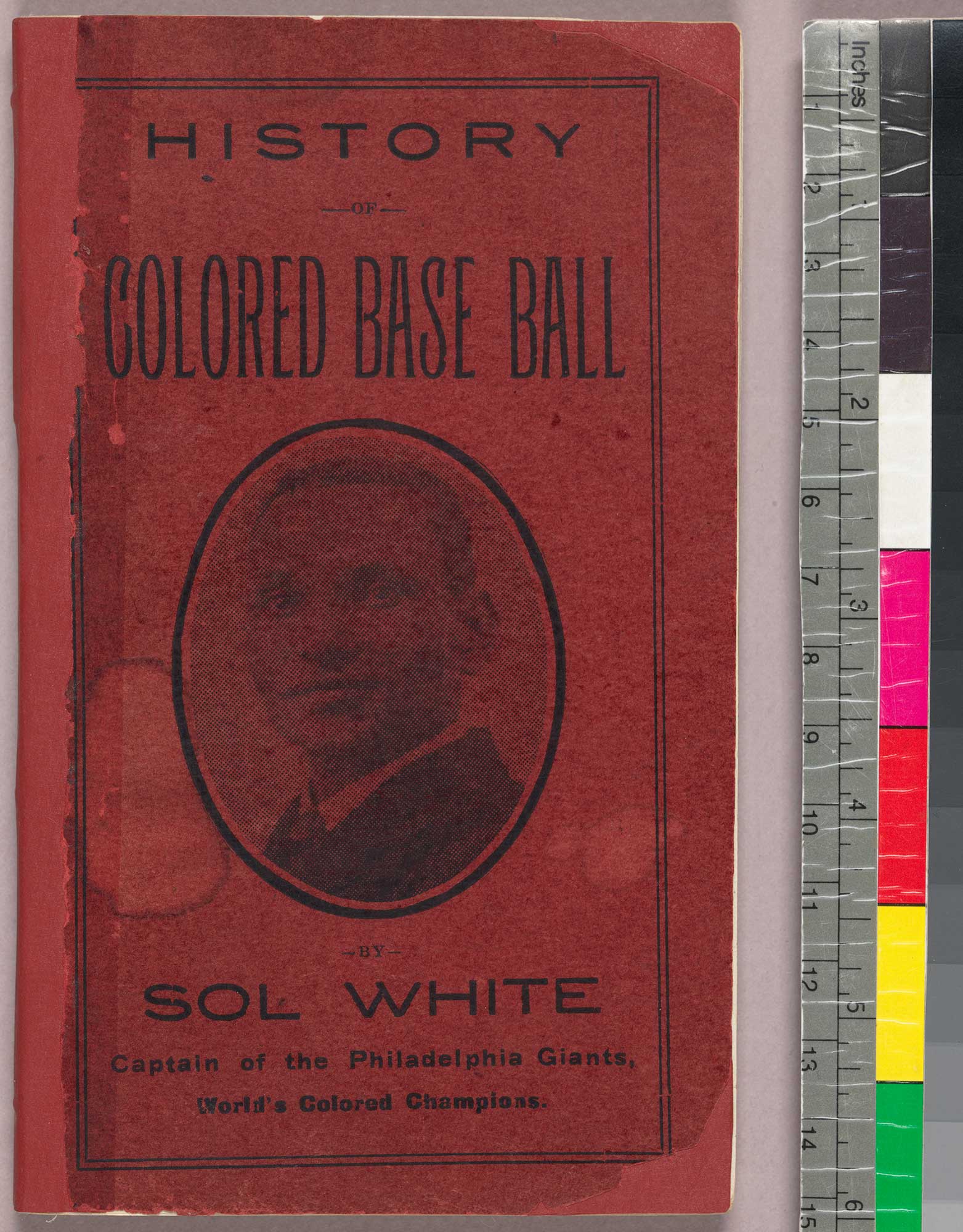
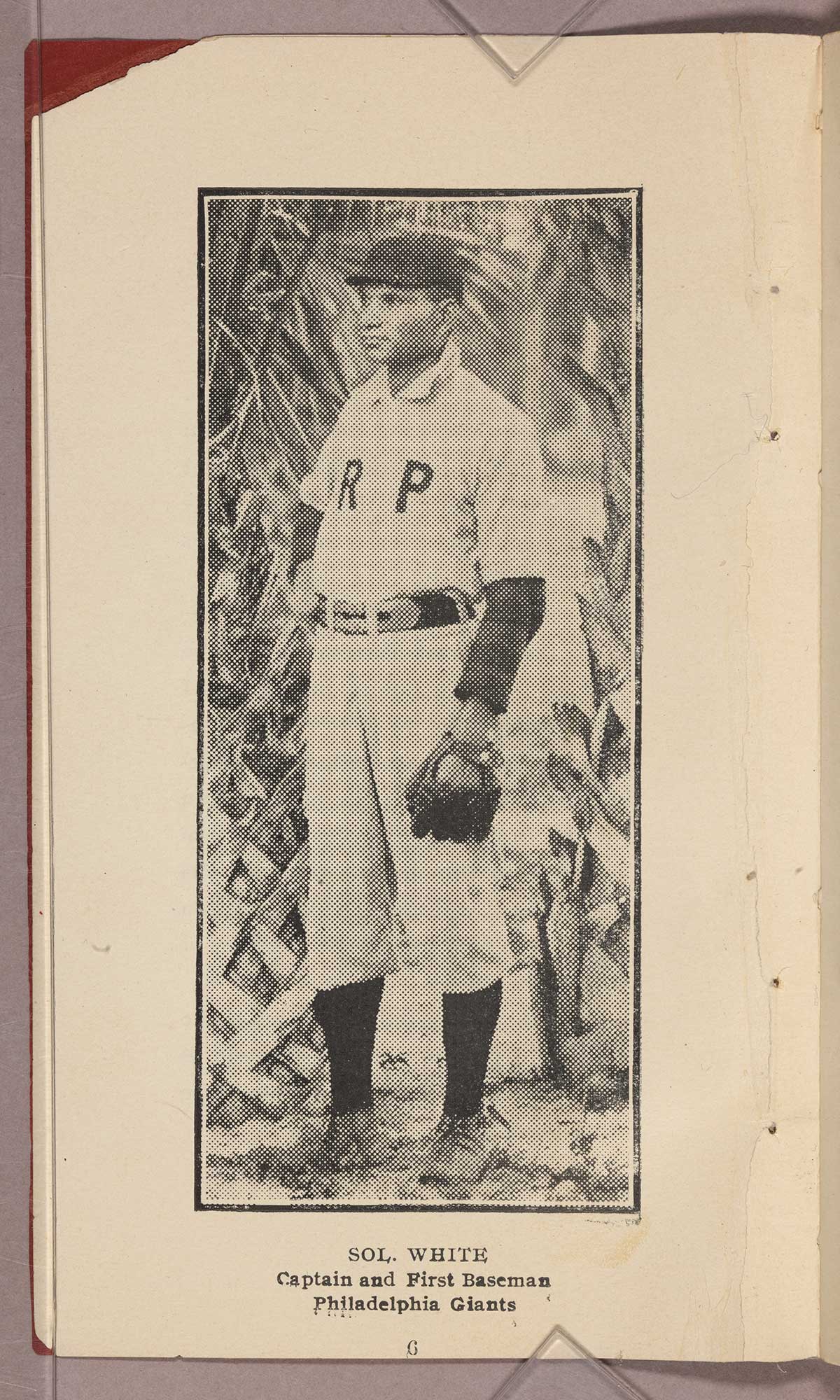
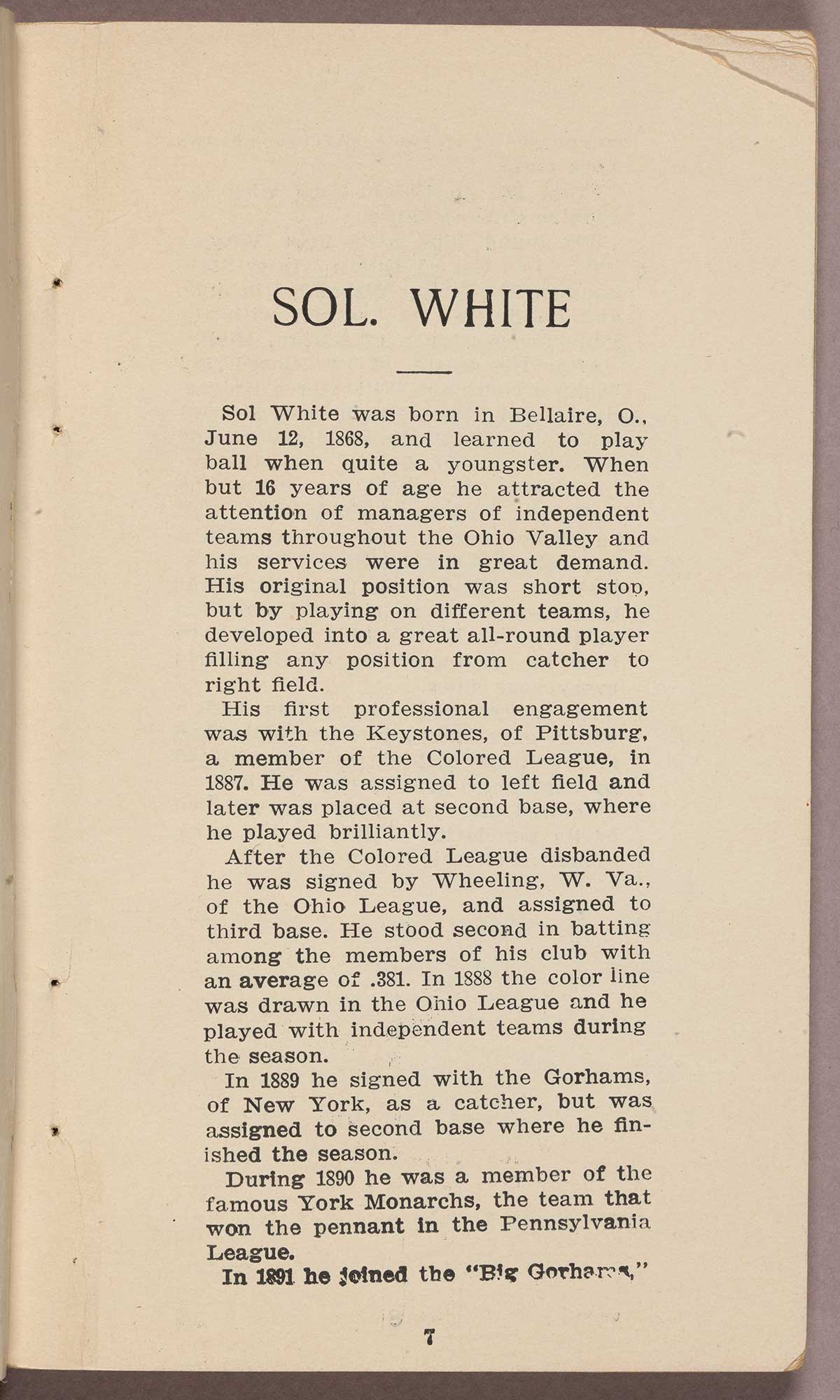
RBSC holds a scarce original copy of Sol White’s History of Colored Base Ball [Special Coll.Vault • GV 863 .A1 W45 1907], an incredibly important 1908 book by manager and former player Sol White. One of the first comprehensive histories of African Americans in baseball, White’s research documented the early experiences of Black baseball players before the establishment of the formal Negro Leagues. Since it original publication, this book has been an essential source for the historiography of African American baseball. The profusely illustrated 120-page volume has been digitized and is available to be viewed via Marble.

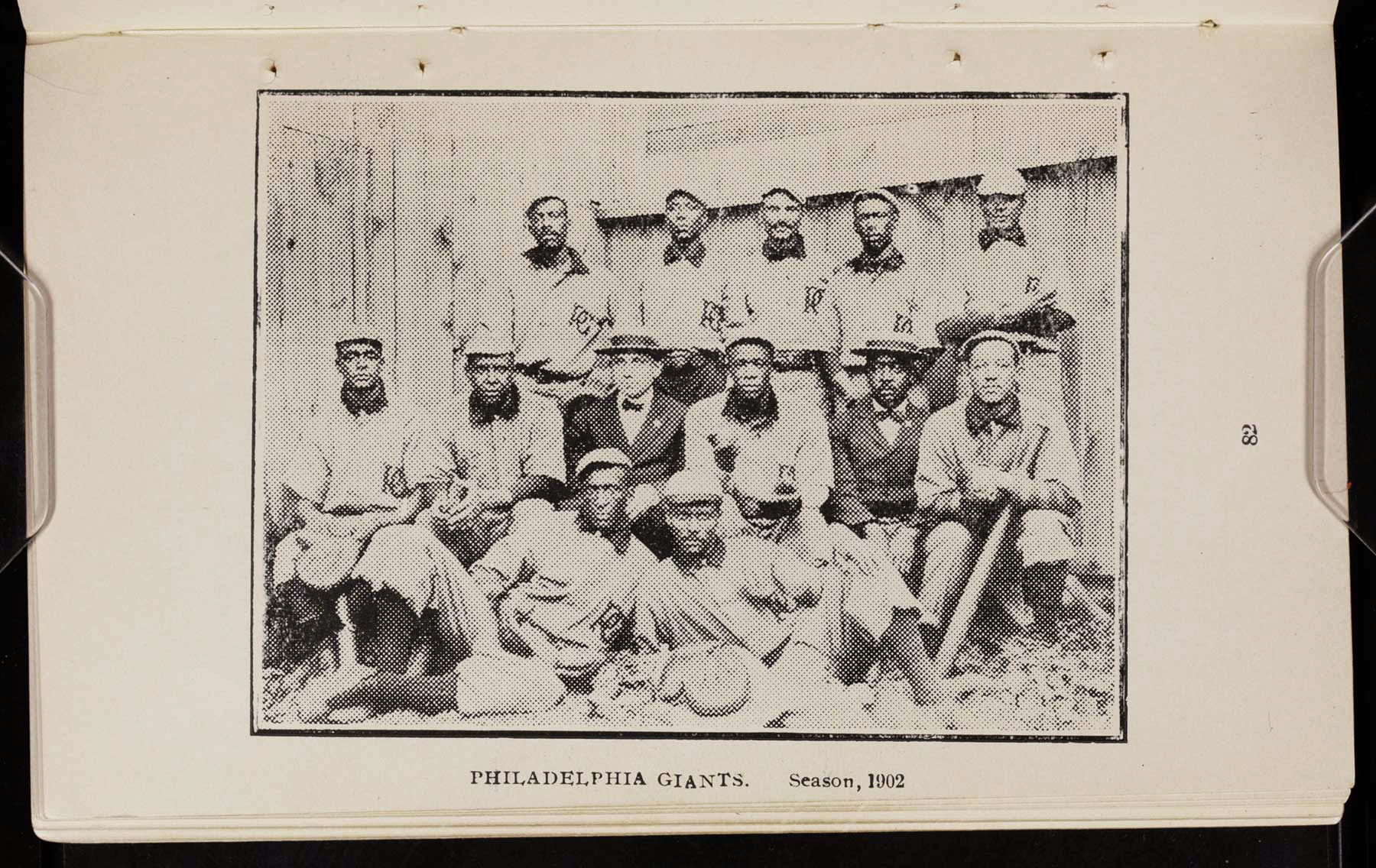
The champion 1902 Philadelphia Giants team picture is one more than 50 photographs printed and preserved in Sol White’s book.

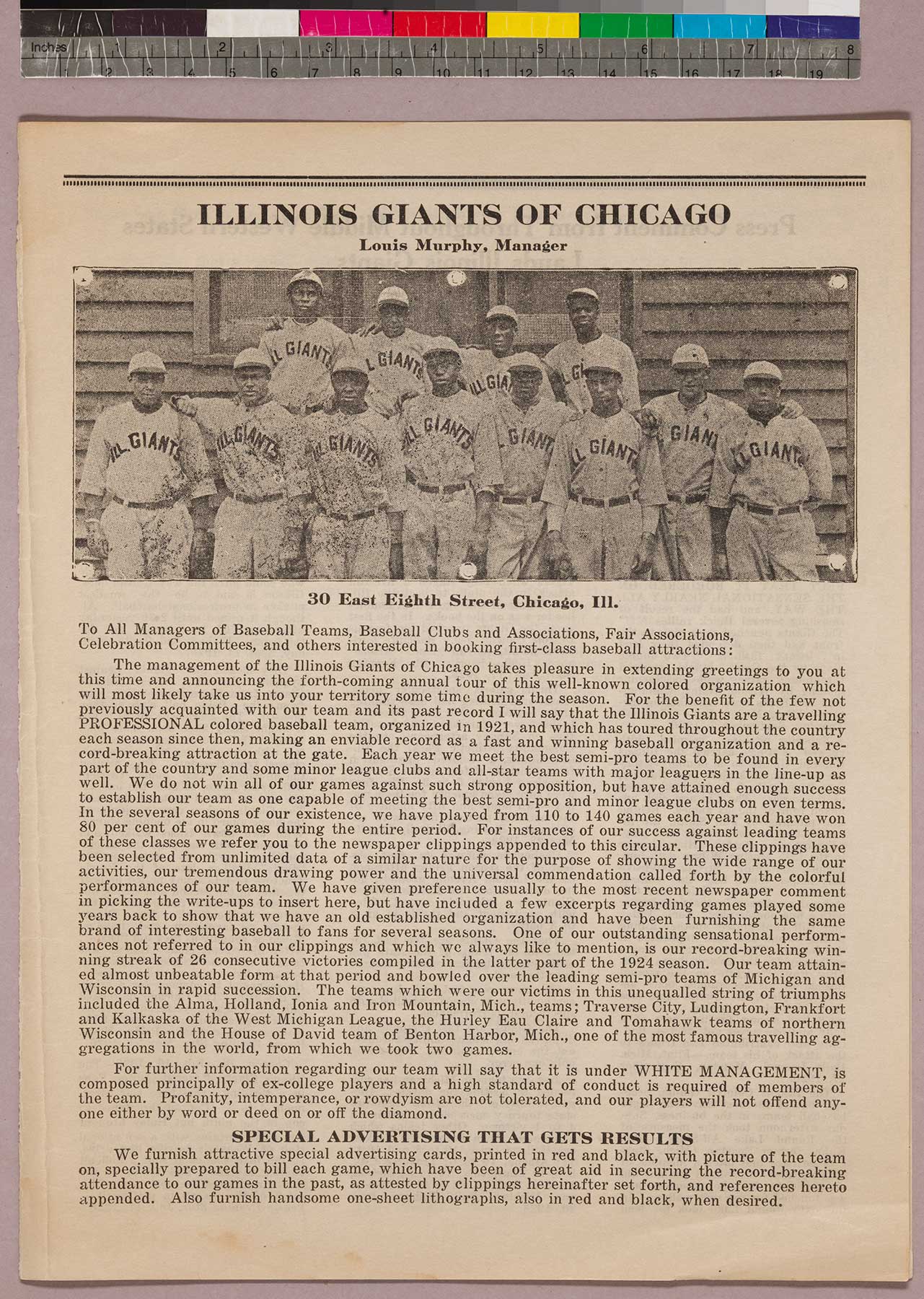
A four-page 1926 advertising pamphlet for the Illinois Giants of Chicago [Rare Books Large • GV 875 .N35 I5 1926] documents the experiences of a lesser-known minor league African American baseball team.

The advertising pamphlet for the Illinois Giants of Chicago declared that “Our team attained almost unbeatable form at that period and bowled over the leading semi-pro teams of Michigan and Wisconsin in rapid succession.” As an indication of the complicated racial politics of the era, the flier emphasized that the Giants were “under WHITE MANAGEMENT” perhaps to make games against the team more palatable to white fans.

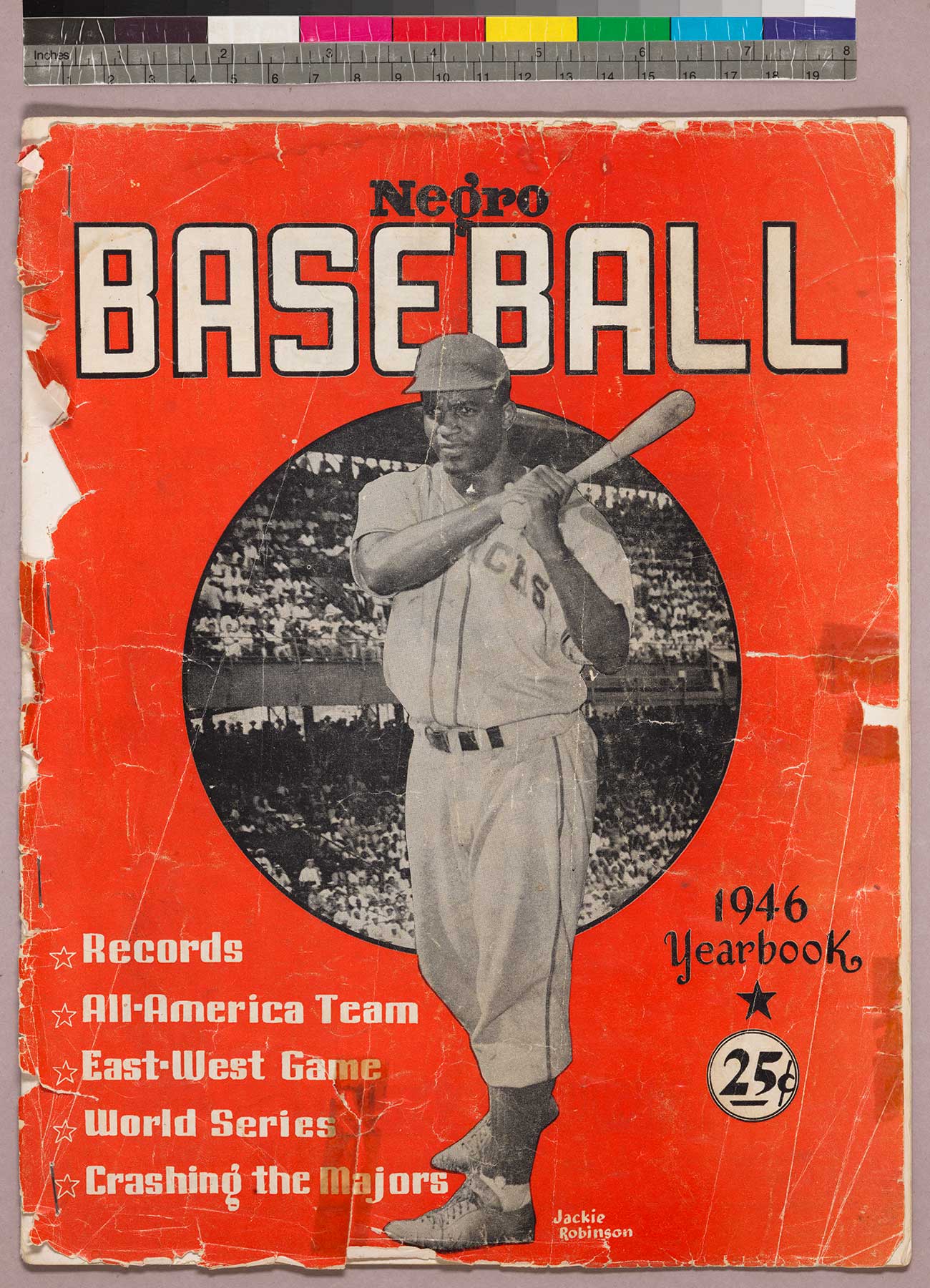
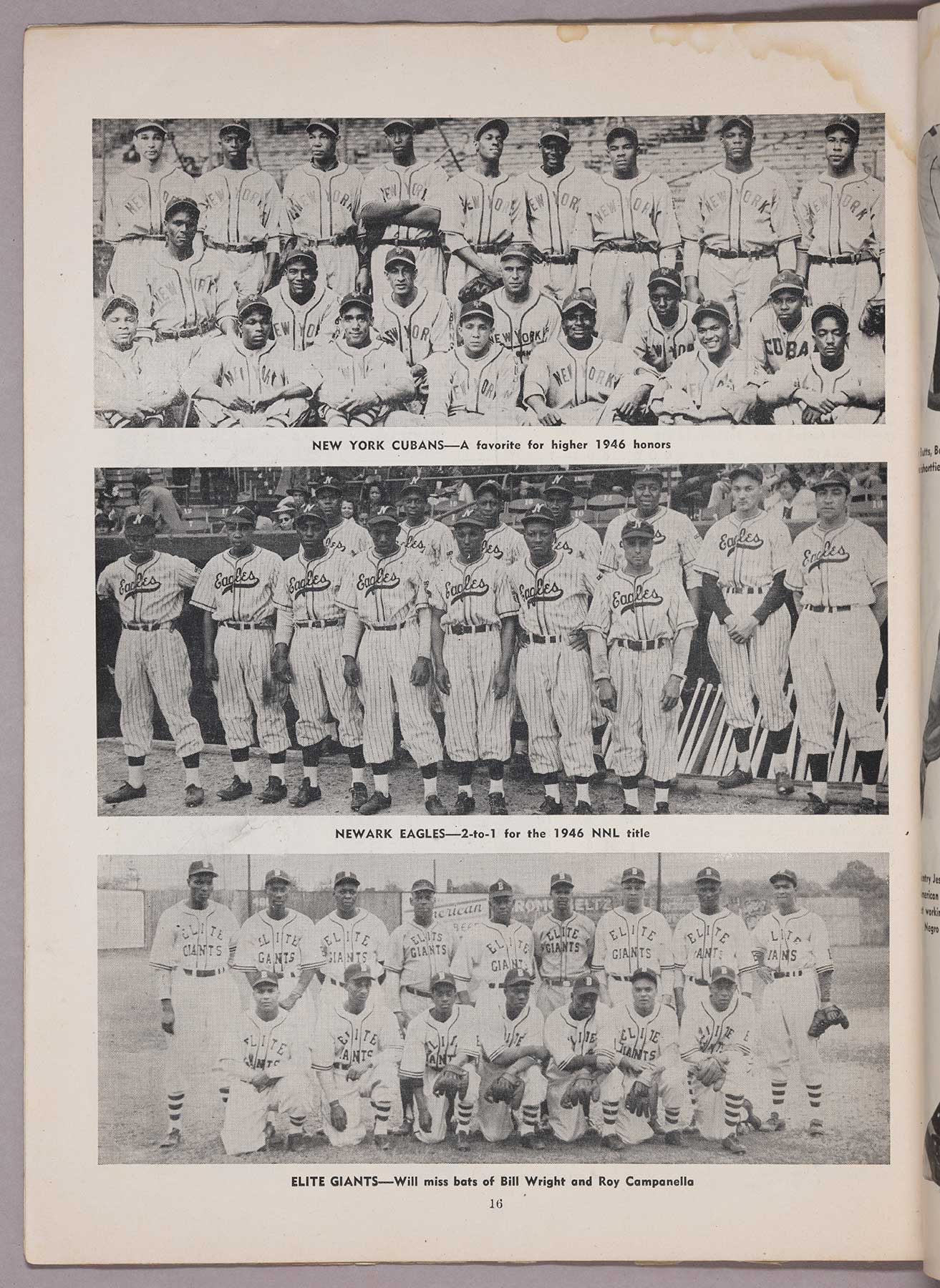
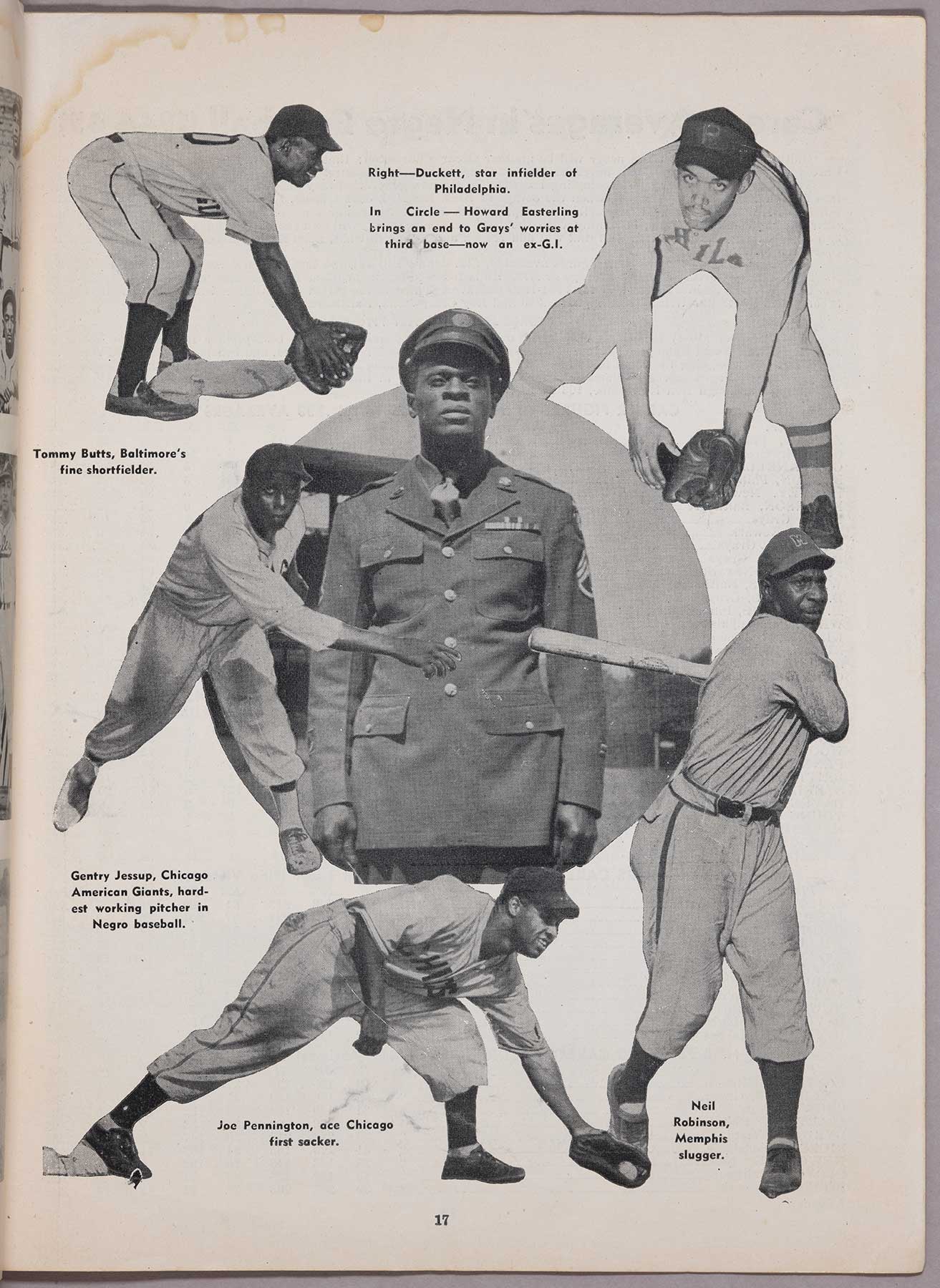
The Negro Baseball Yearbook [Rare Books Large • GV 875 .N34 N46], published annually in the mid-1940s, celebrated and recorded the yearly accomplishments of African American baseball players.

These and other sources are all open to the public and available to researchers who would like to learn more about and to better understand the Negro Leagues and the experiences of African American baseball players during the age of segregation.

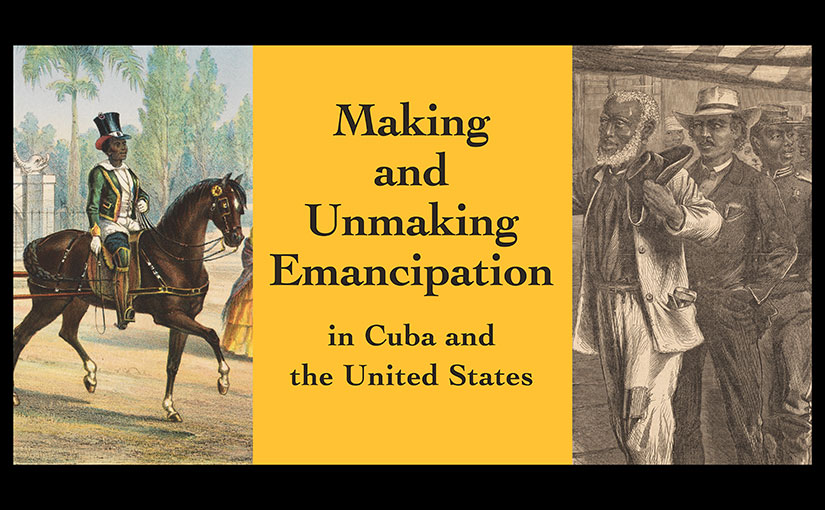
Making and Unmaking Emancipation in Cuba and the United States — RBSC’s Fall Exhibition is open!

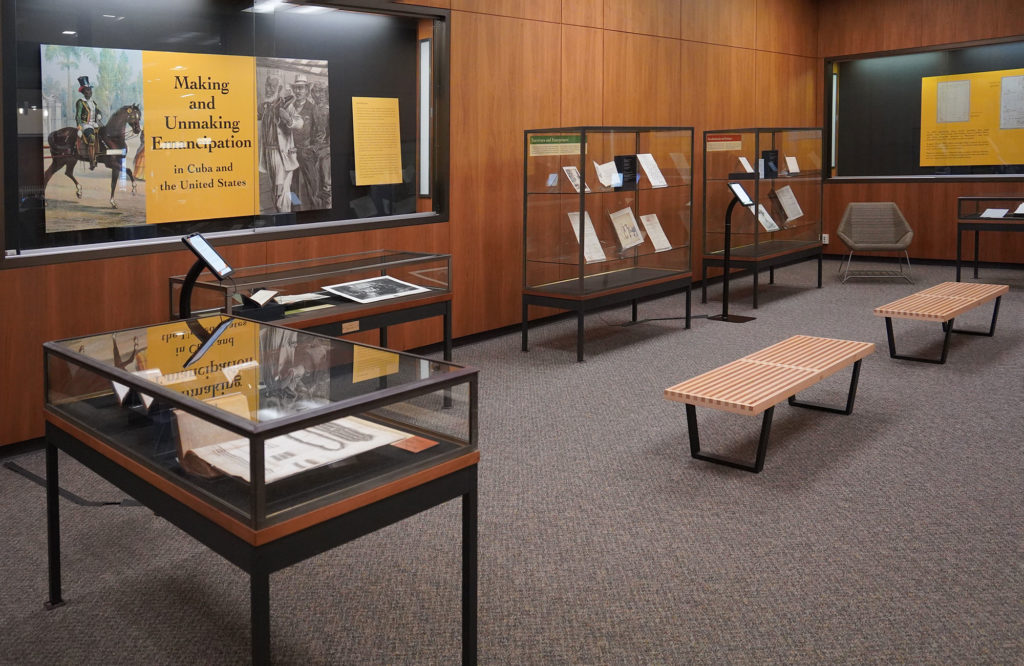
Rare Books and Special Collections’ fall exhibition, Making and Unmaking Emancipation in Cuba and the United States, is open and will run through December 15th. 

This exhibition explores the fraught, circuitous and unfinished course of emancipation over the nineteenth century in Cuba and the United States. People — enslaved individuals and outside observers, survivors and resistors, and activists and conspirators — made and unmade emancipation, a process that remains unfinished and unrealized. 

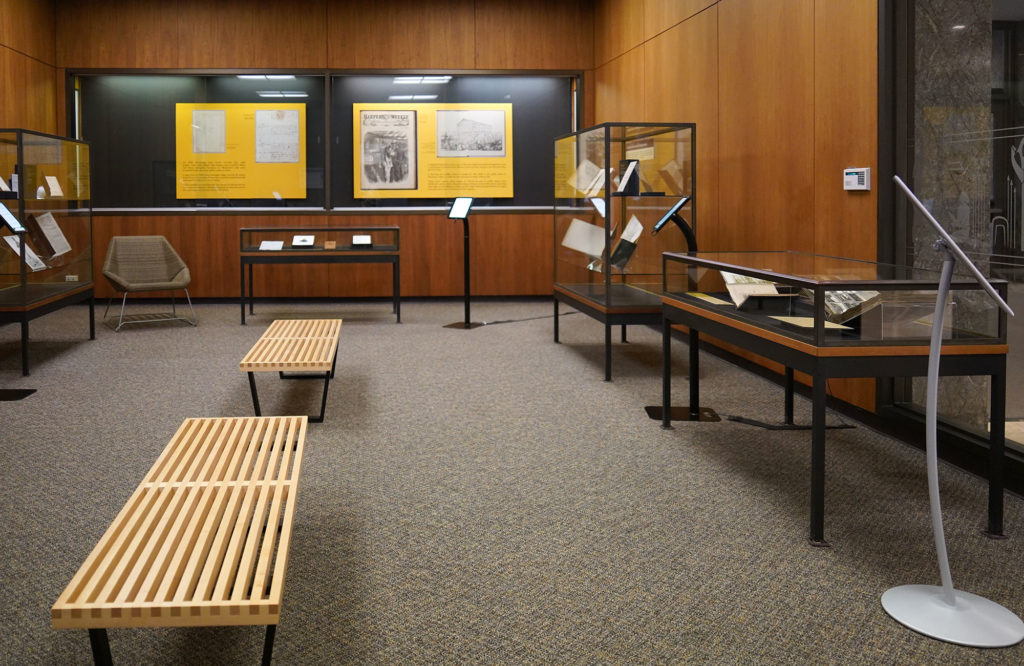
Materials from Rare Books and Special Collections’ Latin American and U.S. collections are paired together to reflect on the history of enslavement and freedom beyond national borders. The show features books, manuscripts, maps, and prints, illustrating the array of formats held in RBSC and how they each shed light on historical experience. 

Making and Unmaking Emancipation in Cuba and the United States is curated by Rachel Bohlmann, Curator of North Americana and American History Librarian and Erika Hosselkus, Curator of Latin American Studies and Iberian Studies, and Associate University Librarian for Scholarly Resources and Services. 

Curator-led tours will be offered at noon on September 22, October 13 and 27 [tour on 10/27 cancelled], and November 17, 2023. They are free and no reservations are required. Exhibition tours may also be arranged for classes and other groups by contacting Rachel Bohlmann at (574) 631-1575 or rbohlman@nd.edu.

Please mark your calendars and join us on Thursday, November 30th at 4:30 pm in 102 Hesburgh Library for a panel program that delves more deeply into questions about enslavement and emancipation raised in the exhibition. The program also speaks to the challenges and opportunities in connecting broad audiences to new scholarly findings in the study of transatlantic slavery. A curators’ tour will precede the program; a reception will follow. 

This exhibition and related programming are generously supported by the Florence and Richard C. McBrien and Richard C. McBrien, Jr. Special Collections Librarian fund.

Upcoming Events: September 2023

Please join us for the following public events and exhibits being hosted in Rare Books and Special Collections:

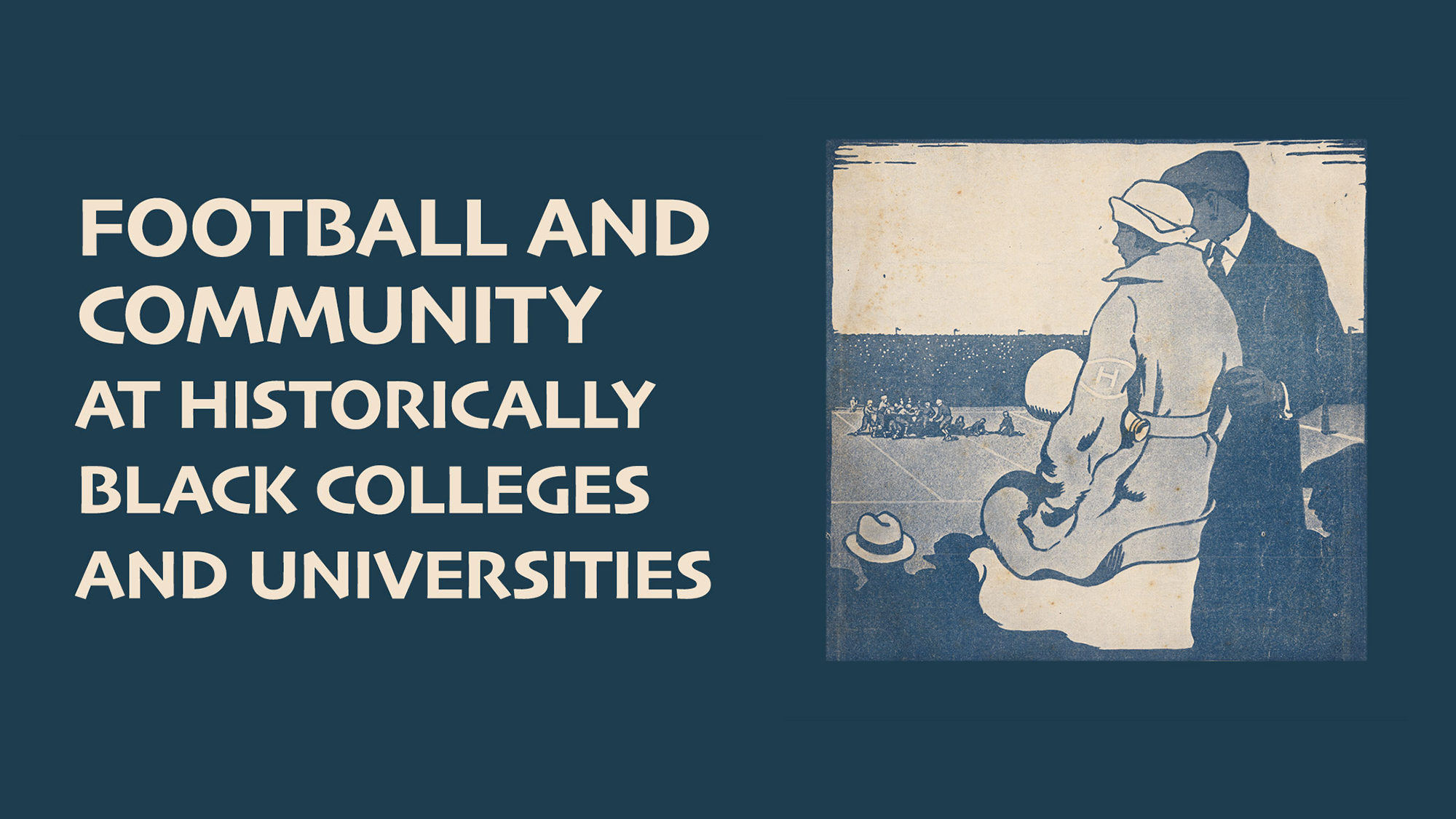
Friday, September 1 at 2:00-4:00pm | Spotlight Exhibit Tour and Open House, Football and Community at Historically Black Colleges and Universities, with curator Greg Bond.

Brief remarks by the curator about the exhibit will begin at 2:15pm, but visitors will be able to see the exhibit and browse the additional historical material on display for the open house at any time between 2:00pm and 4:00pm.

Tuesday, September 19 at 4:00pm | Centering African American Writing in American Literature – American Studies Professor Korey Garibaldi will draw on his new book, Impermanent Blackness: The Making and Unmaking of Interracial Literary Culture in Modern America (Princeton, 2023), and on recent library acquisitions to discuss how, during the middle of the twentieth century, modern American literature and its production were interracial. He will explore multiple aspects of American literary creation, including how African American content has been embodied in dust jacket and cover designs, illustrations, the style of type and bindings, and the overall production quality.


The exhibition Making and Unmaking Emancipation in Cuba and the United States is now open and will run through the fall semester.

Curator-led tours, open to the public, will be held noon–1:00pm on the following Fridays: September 1, 15 and 22; October 13 and 27 [tour on 10/27 cancelled], and November 17.

Tours of the exhibit may also be arranged for classes and other groups by contacting Rachel Bohlmann at (574) 631-1575 or Rachel.Bohlmann.2@nd.edu.


The September spotlight exhibits are Football and Community at Historically Black Colleges and Universities (August – December 2023) and Centering African American Writing in American Literature (August – September 2023).

RBSC will be closed Monday, September 4th,
for Labor Day.

Upcoming Events: August 2023

There are no public events currently scheduled for August. Please check back for events being hosted in Rare Books and Special Collections during September.


The exhibition Making and Unmaking Emancipation in Cuba and the United States will open mid-August and run through the fall semester.

The August spotlight exhibits are Football and Community at Historically Black Colleges and Universities (August – December 2023) and Centering African American Writing in American Literature (August – September 2023).

RBSC will be closed Monday, September 4th,
for Labor Day.

Early Positive Portrayals of African Americans in Graphic Novels

Jackie Robinson and Comic Book Baseball Heroes, 1949-1952

by Greg Bond, Sports Archivist and Curator, Joyce Sports Research Collection

“And now…. Jackie Robinson’s life in a comics magazine!!!” 

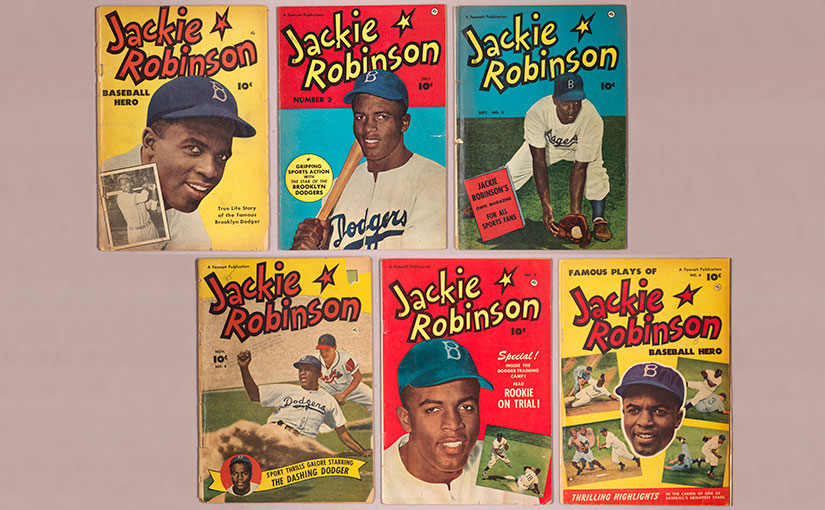
The Atlanta Daily World, a leading national African American newspaper, excitedly informed readers of its September 23, 1949, issue about a new Jackie Robinson comic book. “So great is the aura of stardom surrounding this greatest of Negro athletes,” the World explained, “that a special magazine bearing his name is being released.”  Published by Fawcett Publications, the 32-page comic book titled, Jackie Robinson: Baseball Hero, related the life story of the Brooklyn Dodgers star.

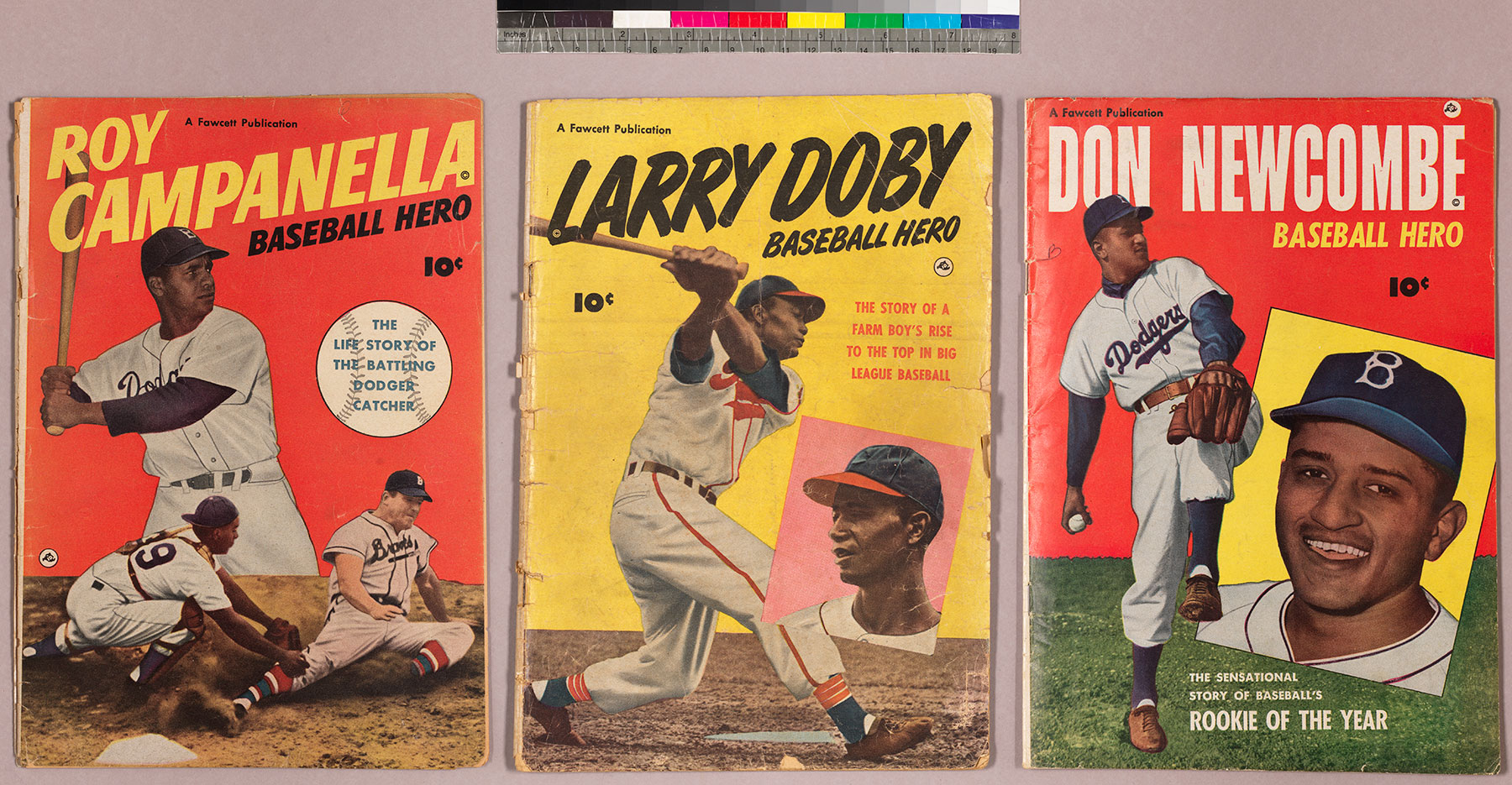
Fawcett, best known for creating the character Captain Marvel in the 1930s, published popular comic books for a national audience and teamed on the project with Robinson, the first acknowledged African American to play major league baseball in the twentieth century. Jackie Robinson: Baseball Hero proved to be a hit, and Fawcett followed up with five more titles about Robinson over the next three years and also collaborated with other early African American major leaguers like Larry Doby, Roy Campanella, and Don Newcombe on comic books about their lives.

These Fawcett publications, recently acquired by the Joyce Sports Research Collection, are among the earliest American comic books to feature positive, non-stereotypical, and non-demeaning portrayals of African American characters. They were also some of the earliest comic books from a mainstream publisher targeted to a national audience that featured African Americans as main characters.

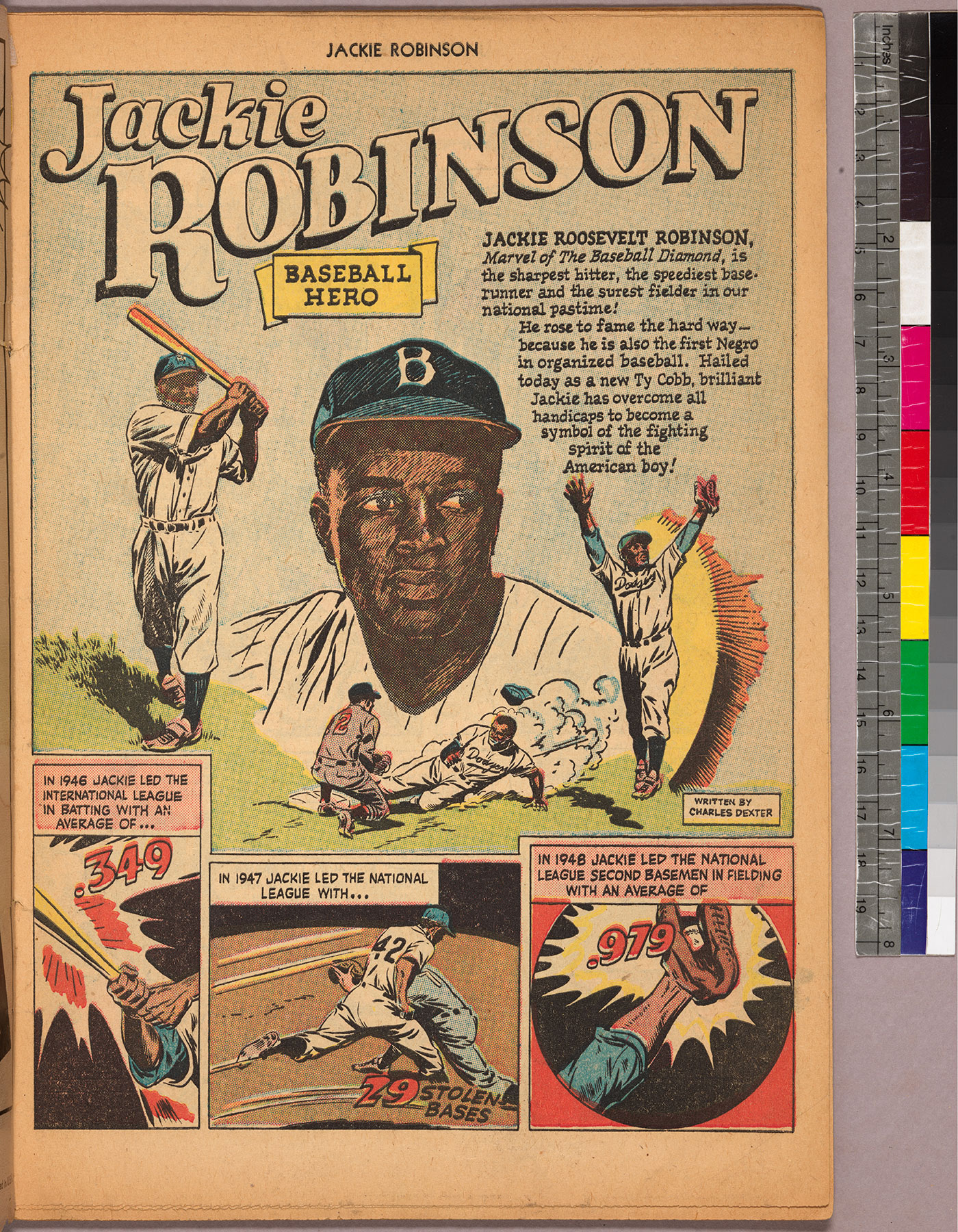
Jackie Robinson: Baseball Hero told Robinson’s biography from his youth in Pasadena to his career as a multi-sport athlete at UCLA to his early years in organized baseball—first at Triple A Montreal and then with the Brooklyn Dodgers. In its opening pages, the comic book proclaimed that “Jackie has overcome all handicaps to become a symbol of the fighting spirit of the American boy!”

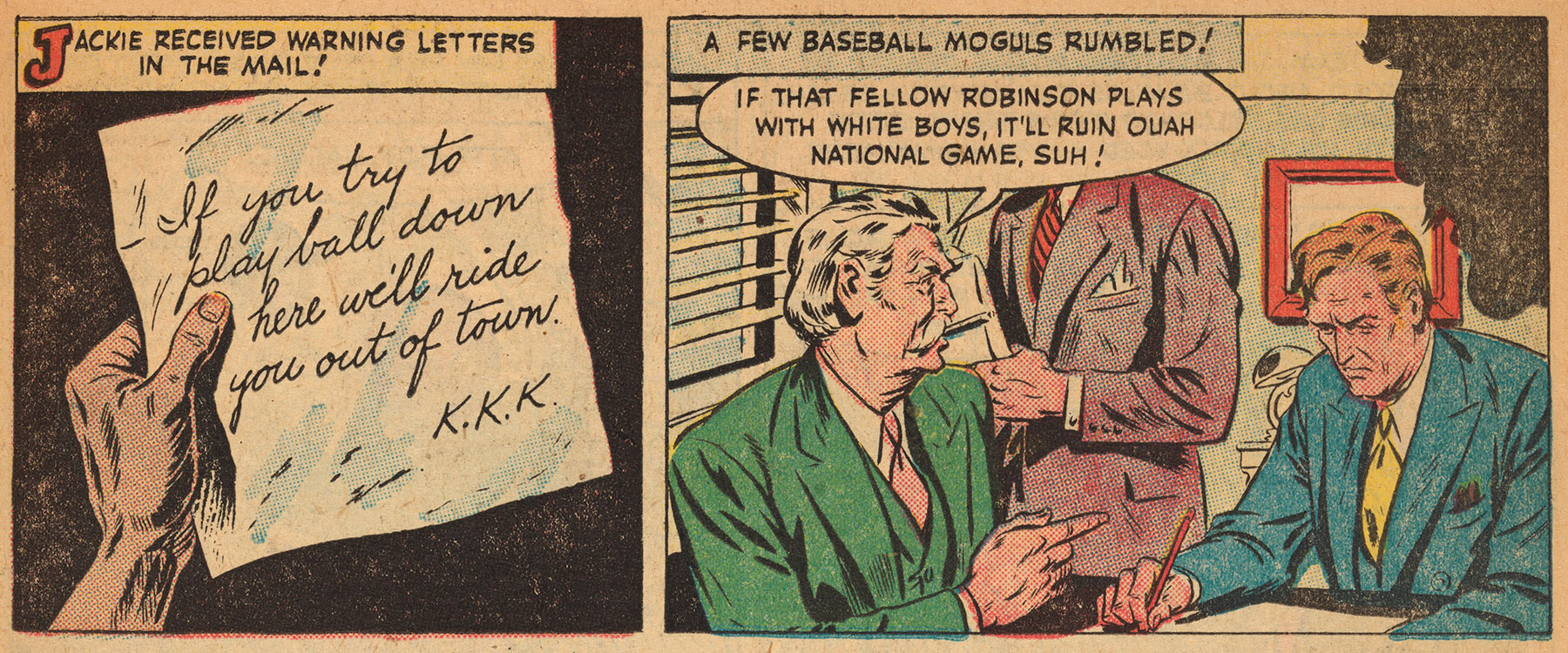
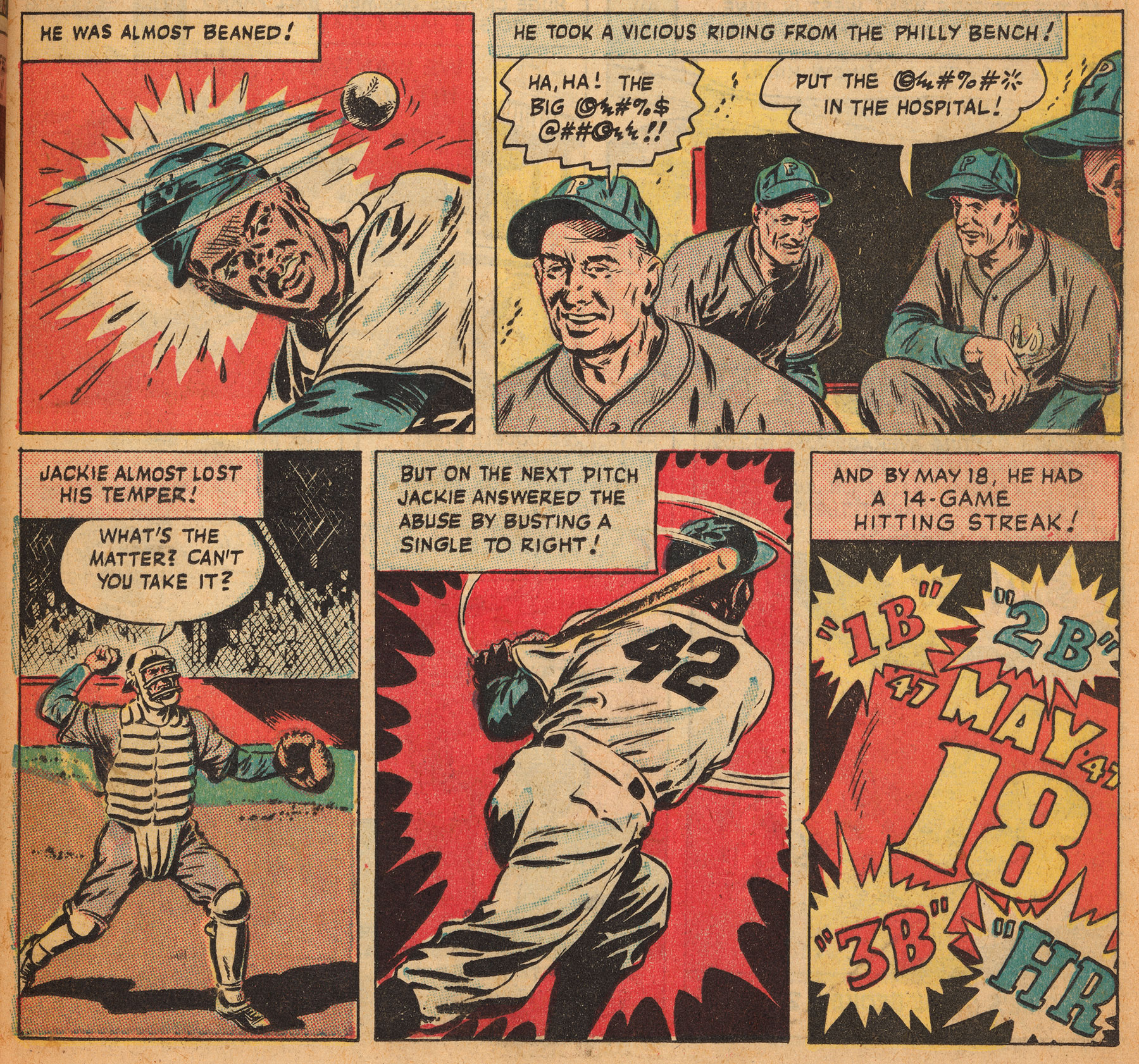
The comic book did not shy away from depicting the troubles Robinson faced in breaking major league baseball’s color line. The book illustrated, for example, the threats he received from the Klu Klux Klan, the opposition to integration from some major league owners, and the harassment he experienced on the field from other teams.

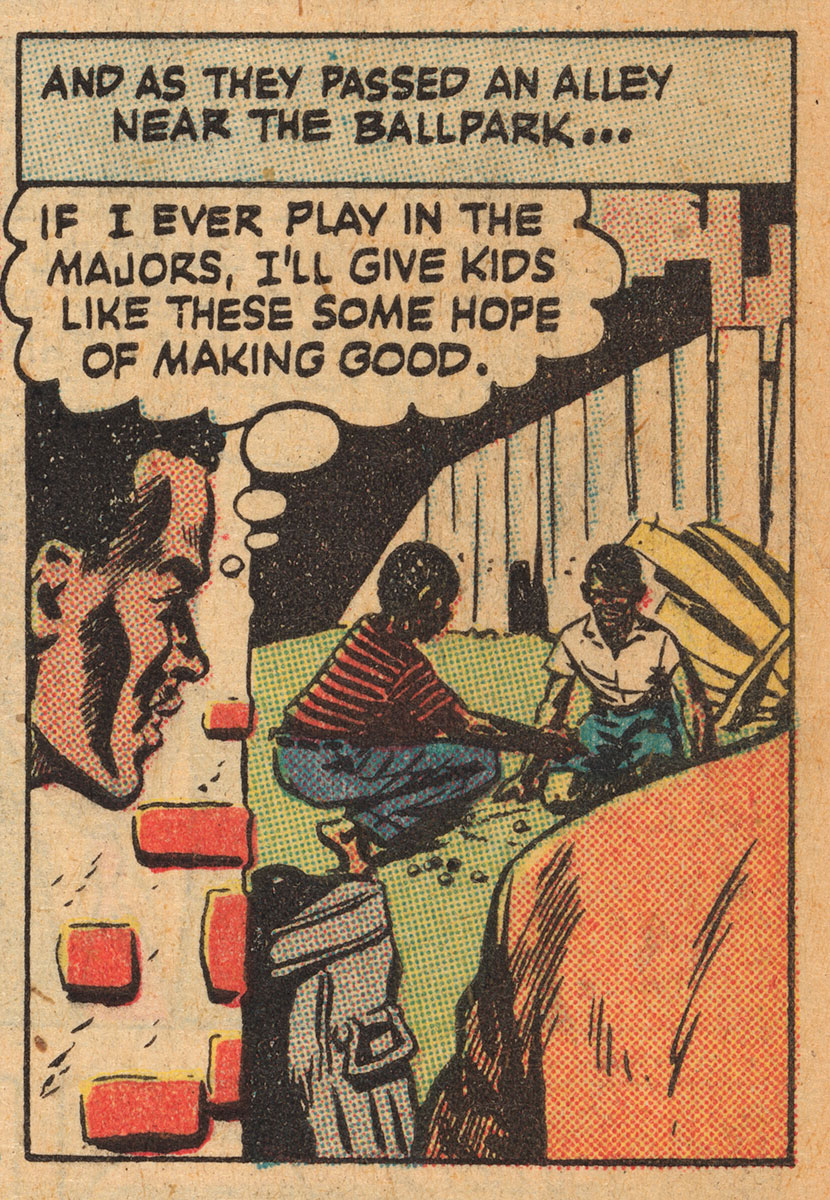
The book graphically detailed Robinson’s many successes on the ballfield, but it also highlighted Robinson’s awareness of his importance as a role model, particularly for African American children.

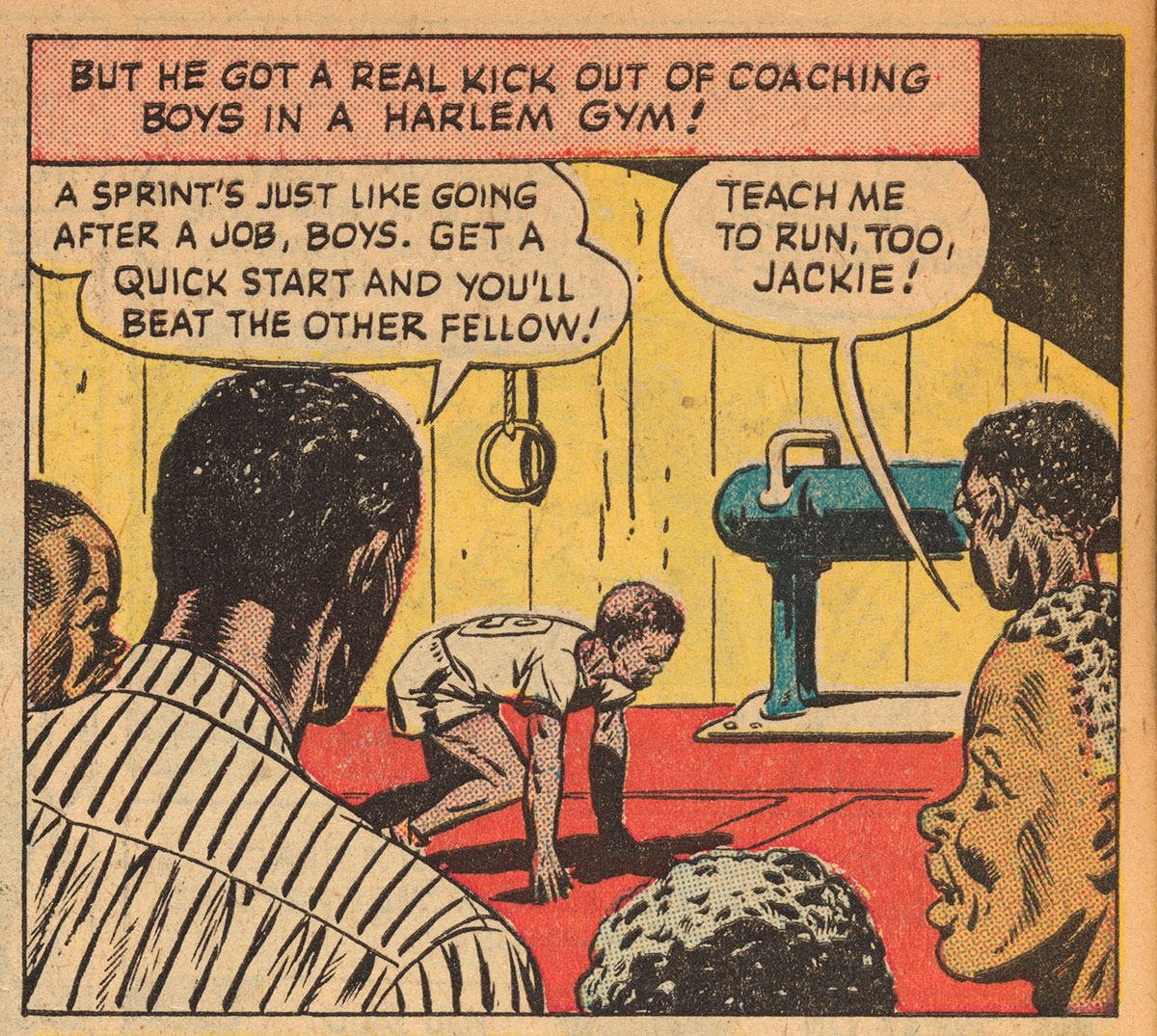
In one scene, for example, after he was scouted by the Dodgers, Robinson witnessed a group of African American boys playing in an alley and thought  to himself, “If I ever play in the Majors, I’ll give kids like this some hope of making good.” The book also illustrated his work coaching children at a gym in Harlem. 

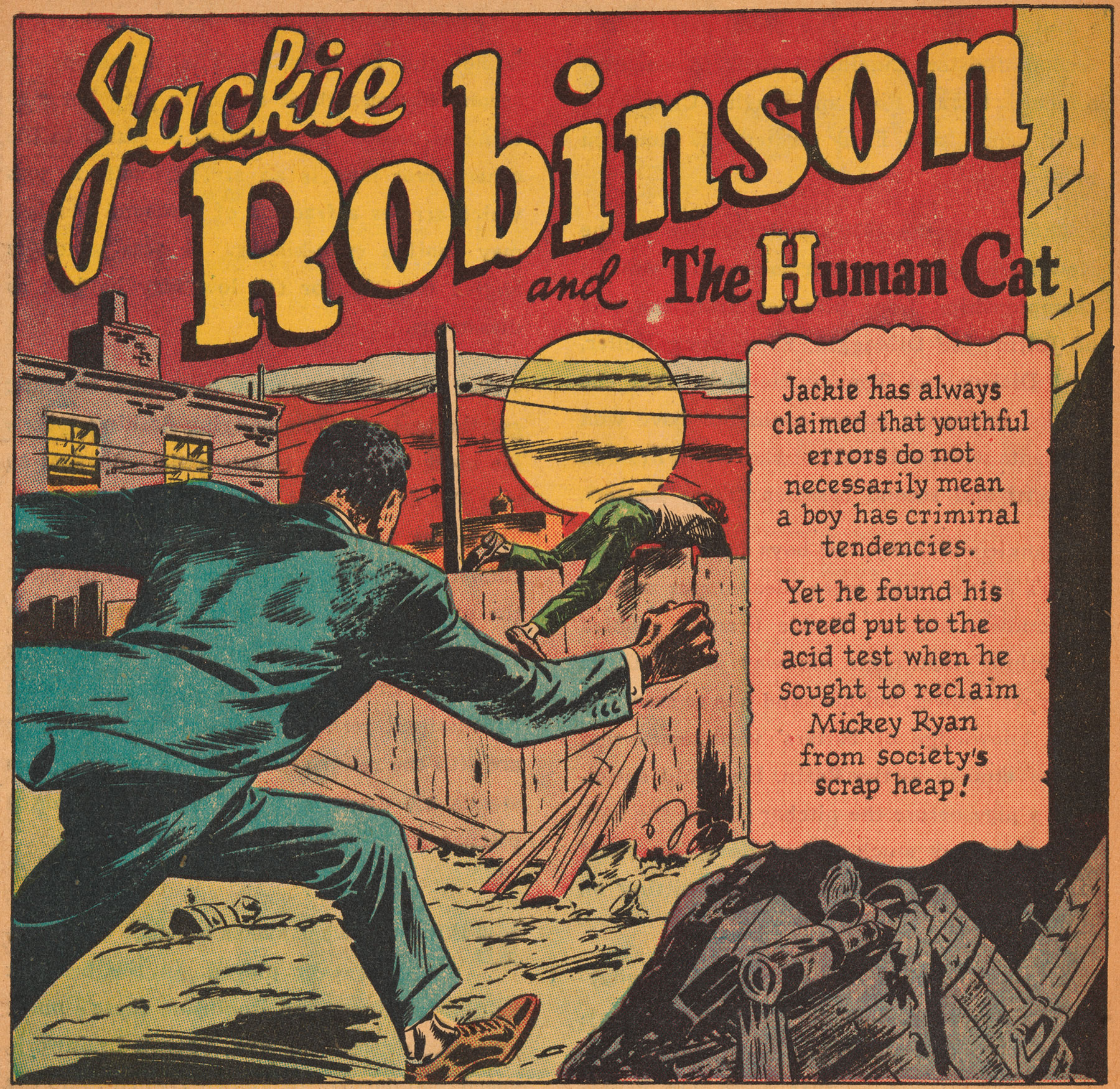
Jackie Robinson: Baseball Hero was such as success that Robinson—who was seeking ways to capitalize on his fame and to earn money outside of baseball—collaborated with Fawcett on a recurring series of five more editions through 1952. The subsequent issues continued to tell stories about Robinson’s baseball and athletic career and also featured fictional vignettes that showed Robinson mentoring children and rescuing them from a life of crime or disreputable behavior.
Jackie Robinson #4, for example, included a seven-page story titled, “Jackie Robinson and the Human Cat,” in which Robinson worked to redeem a star white teenage baseball player who had turned to criminal activities. The story’s tagline read, “Jackie has always claimed that youthful errors do not necessarily mean a boy has criminal tendencies. Yet he found his creed put to the acid test when he sought to reclaim Mickey Ryan from society’s scrap heap!”

In addition to the Jackie Robinson series, Fawcett also took advantage of major league baseball’s fading color line by publishing similar single issue comic books in 1950 about other African American stars: Larry Doby: Baseball Hero (Cleveland Indians), Roy Campanella: Baseball Hero (Brooklyn Dodgers), and Don Newcombe: Baseball Hero (Brooklyn Dodgers).

The Lary Doby, Roy Campanella, and Don Newcombe comic books broadly followed the same model as the earlier Jackie Robinson: Baseball Hero issue, telling the inspirational stories of the players’ rise to the major league. The graphics illustrated their early years as athletes, the difficulties they faced due to their race, and their successful ascent to the big leagues. 

The comics also tended to emphasize the good community work the players did, and the books continued to hold up these accomplished athletes as role models for children. The Fawcett “Baseball Hero” comic books provided all young readers—both Black and white—with otherwise hard to find positive and largely realistic portrayals of talented African American men.

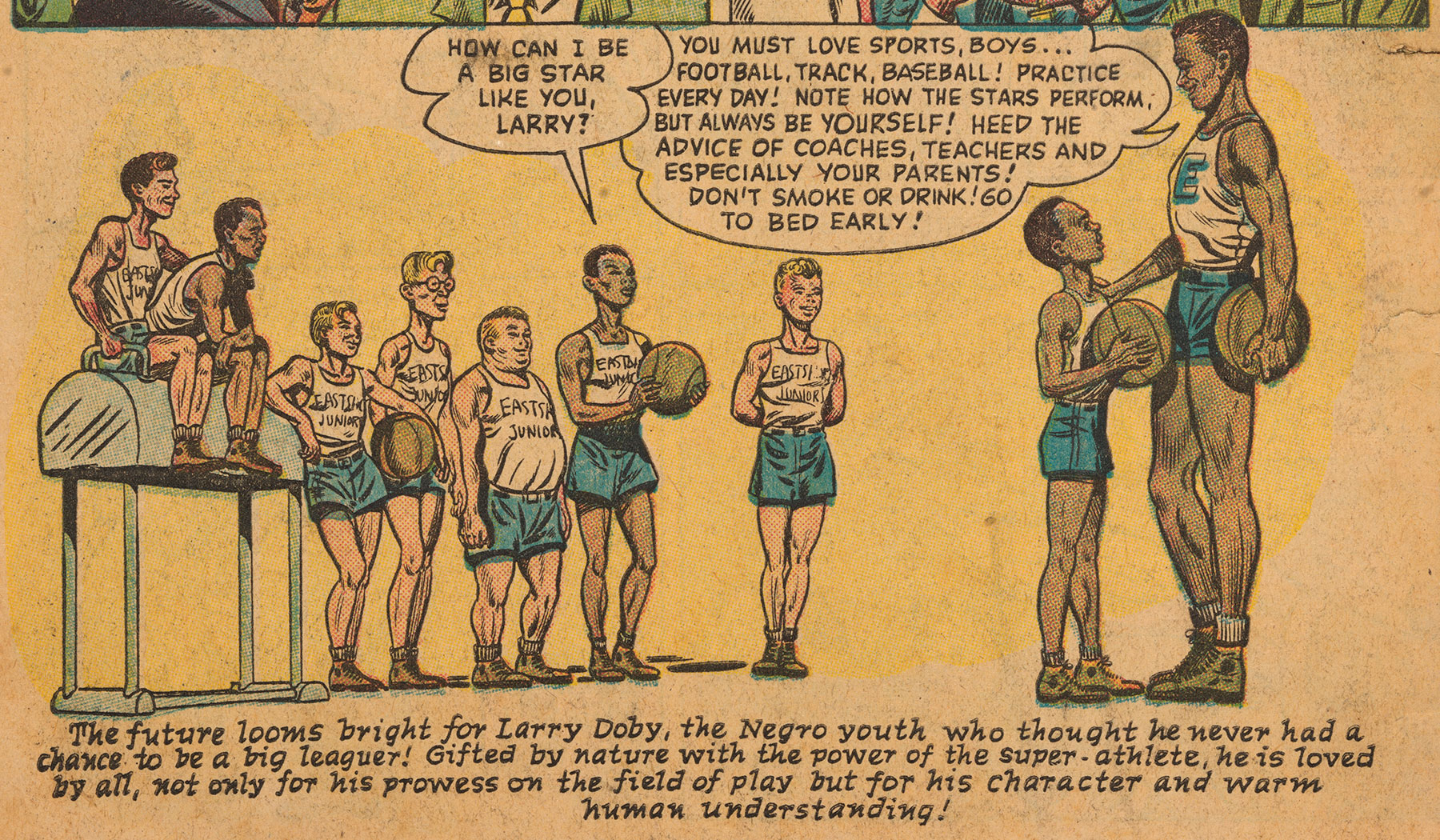
Larry Doby: Baseball Hero, for example ended with a scene highlighting this message. The final page of the comic recounted Doby’s triumphant return to his hometown of Paterson, New Jersey, after his first season in the major leagues. Although he was greeted by the Mayor, Doby was most excited to return to his alma mater of Eastside High School. 

The comic’s final panel pictured Doby counseling and providing advice to the Black and white members of the Eastside High School basketball team. The eight players all listened intently to the major league star, and the final caption read: “Larry Doby… is loved by all, not only for his prowess on the field of play, but for his character and warm human understanding!”

For further reading:

“Jackie Robinson’s Life in Comics on Newstands Today [sic],” Atlanta Daily World 23 September 1949, p. 3.

Tom Hawthorn, “Jackie Robinson: Comic Book Superhero,” in Not An Easy Tale to Tell: Jackie Robinson on the Page, Stage, and Screen ed. Ralph Carhart (Cleveland: Society for American Baseball Research, 2022).

Brian Cremins, “‘This Business of White and Black’: Captain Marvel’s Steamboat, the Youthbuilders, and Fawcett’s Roy Campanella, Baseball Hero,” in Desegregating Comics: Debating Blackness in the Golden Age of American Comics ed. Qiana Whitted (New Brunswick, NJ: Rutgers University Press, 2023).