
For anyone who had braces as a kid, you know how miserable the process can be. From rubber bands to the restrictions on what foods you could enjoy, having braces was a real pain. However, once the braces came off, it was all worth it to have perfectly straight teeth. While many adolescents go through orthodontic bracing to straighten crooked teeth, there are some who go through a similar process to correct the curvature of their spines.
Year: 2022
Pressed and stressed: How understanding tumor biomechanics may be the future for treating patients with triple-negative breast cancer
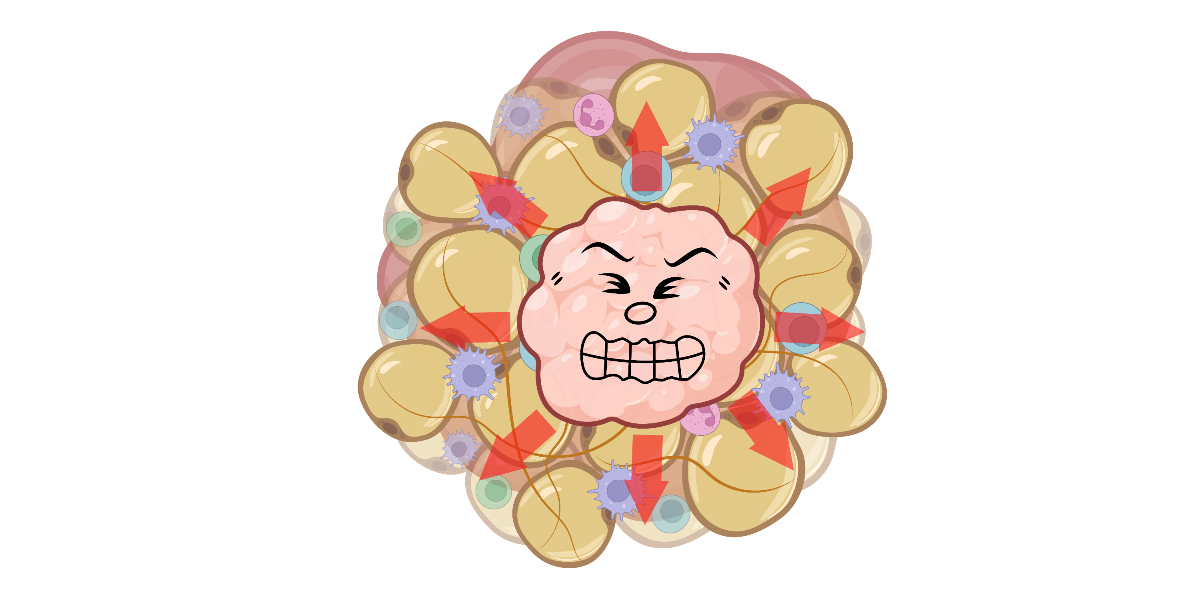
Despite unstinting interventions such as chemotherapy and surgical tumor removal, approximately 40% of patients with stage I-III triple-negative breast cancer (TNBC) will experience tumor recurrence. Fortunately, not all hope is lost. The advent of immune checkpoint blockade (ICB) immunotherapy—a type of therapy that uses one’s own immune cells to kill the cancer—has shown great promise for the treatment of TNBC. However, as Dr. Azra Raza says in her book, The First Cell: And the Human Costs of Pursuing Cancer to the Last, these “immune approaches are not universally curative and, at present, help very few patients.”
Continue readingDo Humans Get Weaker in Outer Space?
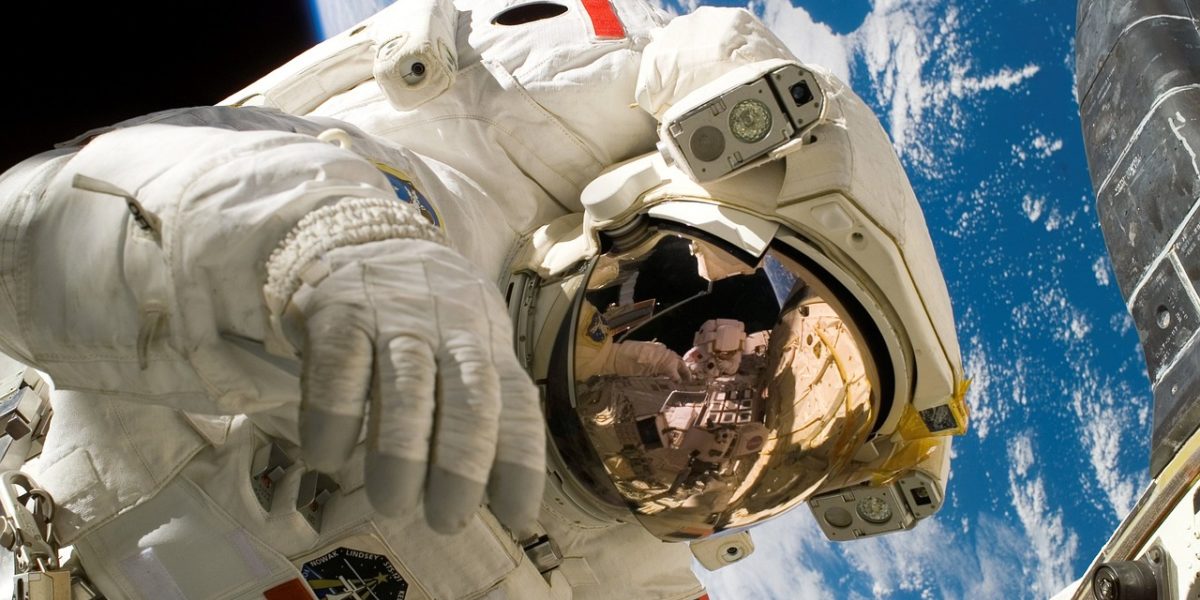
We have entered an era of renewed excitement regarding human space travel. The international community has lofty goals for the future of human spaceflight: returning to the Moon, sending crewed missions to Mars and other planets, and even colonizing space to save the human race when Earth is no longer habitable. These goals are beyond exciting, but before we can safely accomplish any of them, we must understand the biological consequences of space travel. For instance, it is well documented that space travel causes muscle atrophy, or deterioration. What causes this atrophy, and can how it be prevented?
Continue reading “Do Humans Get Weaker in Outer Space?”Live fast die young: Rate of Living Theory

The rate of living theory proposed by Max Rubner (1908) suggests that animals have a finite number of heartbeats till they die. The initial observation was that the large animals which have slower RHR (resting heart rate) live more than small animals which have faster RHR. Taylor (1980) explained this phenomenon with the “cost of generating force” hypothesis which suggests the amount of oxygen consumed by running animals is proportional to their weight. It was stated that producing one newton of force on the ground is more costly for smaller animals than for bigger ones because smaller animals must take shorter steps using faster, less economical muscle fibers than bigger animals do. Additionally, their larger area and volume ratio causes them to lose more heat. Therefore, small animals require more oxygen (per kg of body mass) to be delivered to the tissues in the body. However, the total number of heartbeats of most animals -large or small- tends to be approximately the same, around a billion, and humankind is stated as the exception with 2.24 billion heartbeats. Anyhow, if we consider it in terms of broad orders of magnitude, there does appear to be a tragic connection between living quickly and passing away soon for all species, large and small.
Read moreSensing tension in the brain tumor microenvironment
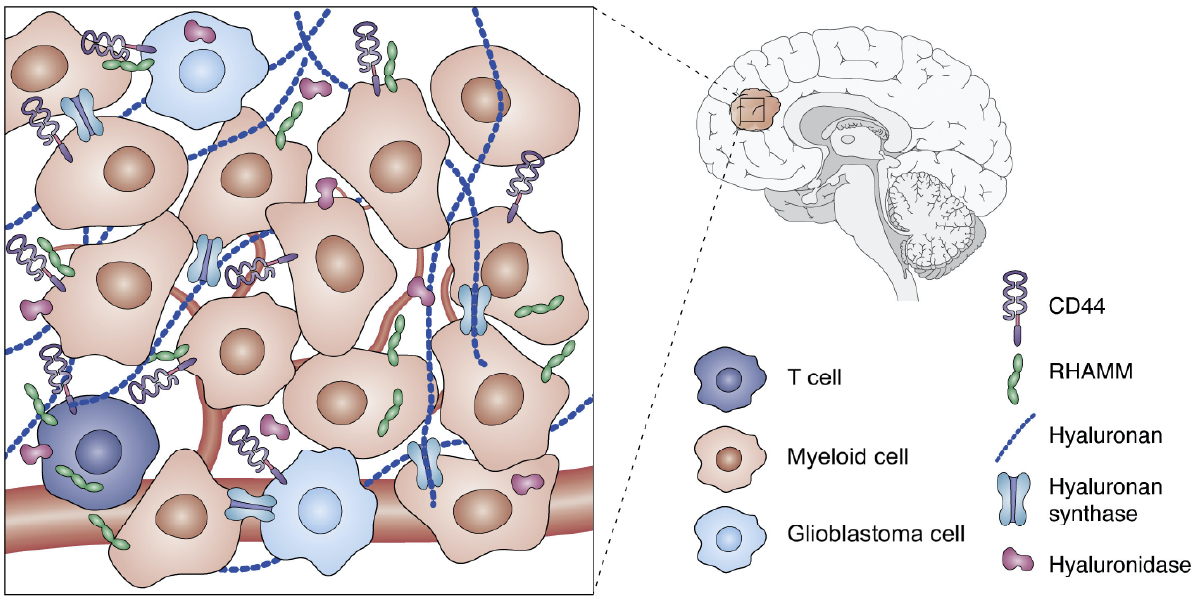
According to Azra Raza, a Professor of Medicine at Columbia University in New York, high-grade brain cancer called glioblastoma is “one of the most aggressive, ruthless killers known to mankind”. Indeed, despite recent advances in cancer therapies, glioblastoma remains incurable with a median survival of 15 months which has not improved substantially in the last 20 years. This poor prognosis is, in part, due to the highly immunosuppressive microenvironment that allows tumors to evade anti-tumor immune response and promotes resistance to immunotherapy – a kind of therapy that uses your body’s own immune system to find and eliminate tumor cells.
Continue reading “Sensing tension in the brain tumor microenvironment”Deer Science, what’s changing my antlers and why are they important to you?

A deer is a mammal that is recognizable by the majority of people. Typically, the male deer or buck has the unique attribute of antlers. Antlers are made up of bone that develops, grows, and falls off each year.
Continue reading “Deer Science, what’s changing my antlers and why are they important to you?”Want Your Ticket to the Top?

Rock climbing may just be the greatest exercise activity. It’s a holistic workout with an infectiously supportive community that involves plenty of problem solving and a good understanding of body movement and biomechanics. If you ever find yourself on the climbing wall, you will inevitably encounter a sequence of moves that seemingly proves to be too difficult or complicated. Whether you’re a veteran or a beginner, below are just a few of the countless biomechanical techniques and tips to keep in mind when coordinating and executing your attempts; they could be the difference between plateauing and finally topping out on that elusive route.
Continue reading “Want Your Ticket to the Top?”Tendon Talks

Listen in today as we sit down with Nixon Dorvilien and Bendu Yeaney to discuss achilles injuries, specifically in the sport of basketball.
The Present and Future Implications of Advanced Prosthetic Limbs in Sports
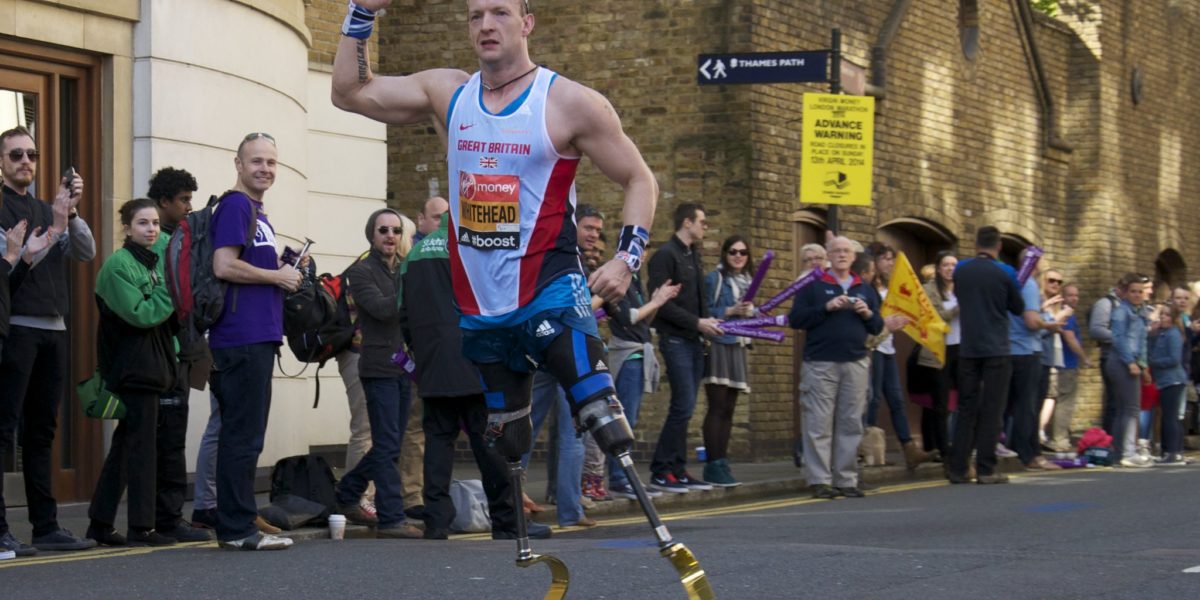
In this podcast, my guests and I get into detailed discussion and debate on prosthetic limb use in modern-day, and future Paralympic and Olympic sport. We discuss the intricacies of the biomechanics of these devices, and we have ethical discussions as to what should and should not be allowed in sport. Furthermore, we expand our discussion to neurological implants, and their connection to advanced prosthetic limbs, finishing with a discussion of the implications of these devices to the future of society.
Swimming is not a Drag with Dr. Carl Payton

Today on Biomechanics in the Wild, we will be talking with Dr. Carl Payton, a Professor of Sports Biomechanics at Manchester Metropolitan University in Manchester, England. He researches the movement of paraswimmers and is currently working with a team to develop a new classification system for the International Paralympics Committee. He also serves as a support scientist for Great Britain’s Olympic and Paralympic swimming teams.
Paraswimmers are allocated different classifications depending on their disability. Swimmers with a motor coordination, mobility, or limb deficiency are split into rankings S1 through S10, with S10 being those swimmers with the least level of impairment. Swimmers with a visual impairment (S11-S13) or a intellectual disability (S14) are also split into different classes. The goal of this system is to allow the swimmers to compete with swimmers of a similar ability level, to create a level competition field.