Collection highlights, news about acquisitions, events and exhibits, and behind-the-scenes looks at the work and services of Rare Books & Special Collections (RBSC) at Notre Dame.
The Spring 2025 Exhibition — Tragedies of War: Images of World War II in Print Visual Culture — will open in February and run through the end of July 2025. Based predominantly on recently acquired Rare Books and Special Collections European holdings, the exhibition commemorates the end of the Second World War (1939-1945) and will explore a diverse assortment of themes including Nazi racial ideology, the Holocaust, Children in War, Resistance, Liberation, and Memories of War. Curated by Natasha Lyandres (Curator, Rare Books & Special Collections), Jean McManus (Catholic Studies Librarian, University Archives) and Julia Schneider (German Language and Literature and Italian Studies Librarian, Hesburgh Libraries).
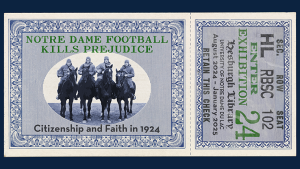
(The Fall 2024 Exhibition, Notre Dame Football Kills Prejudice: Citizenship and Faith in 1924, ends January 30. Come see the exhibition while you still can!)
The current spotlight exhibit is Building a Campus Boycott to Support Midwestern Farmworkers (January–April 2025). In 1980, the University of Notre Dame became the first major university to boycott Campbell Soup products in support of Midwestern farmworkers represented by the Farm Labor Organizing Committee (Toledo, OH). In a few short months, a small and dedicated cohort of students tapped into a growing movement and convinced the campus to act in solidarity. Curated by Emiliano Aguilar (Assistant Professor of History, University of Notre Dame, and Faculty Fellow, Institute for Latino Studies).
Rare Books and Special Collections welcomes students, faculty, staff, researchers, and visitors back to campus for Spring ’25! Here are a variety of things to watch for in Special Collections during the coming semester.
Special Collections Welcomed Two New Curators in the Fall 2024 Semester
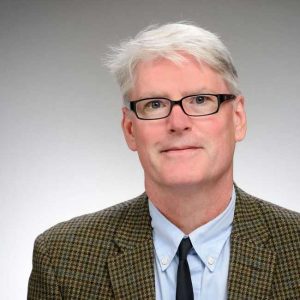
In addition to stewarding the Hesburgh Libraries’ Irish Studies collections in both general and specialized collections, Knight works with other University faculty members to foster the use of these materials broadly across campus within the larger field of Irish Studies teaching and instruction.
The new Irish Studies Librarian and Curator brings deep expertise in the field of Irish Studies, teaching, and librarianship, including in special collections. He previously served as an Associate Librarian at the University of South Florida and holds an M.A. and Ph.D. in Celtic Languages and Literatures from Harvard University in addition to an M.A. in Library Science from the University of South Florida.
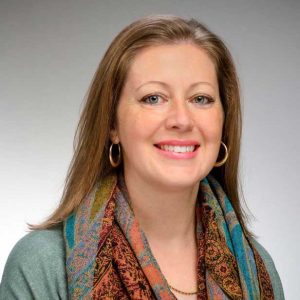
Phillips Quintanilla is responsible for stewarding the Libraries’ Latin American and Iberian Studies collections in both general and specialized collections. She works within the Libraries and across campus to foster the use of the collections broadly within the fields of Latin American Studies and Iberian Studies teaching and instruction. She also supports Latino Studies students and faculty in collaboration with Rachel Bohlmann, American History Librarian and Curator of North Americana.
Phillips Quintanilla brings deep expertise in the field of Latin American and Iberian Studies and teaching, as well as experience in the cultural heritage sector — particularly in areas of provenance and the stewardship of special collections. Before joining the Hesburgh Libraries faculty, she worked as a Research Specialist in the Pre-Hispanic Art Provenance Initiative at the Getty Research Institute. The new librarian and curator holds a Ph.D. in Hispanic Languages and Literatures with a specialization in transatlantic early modern literatures and cultures, as well as an M.A. in Spanish from the University of California, Los Angeles (UCLA), a Master of Professional Writing from the University of Southern California, and a B.A. in Urban and Environmental Policy from Occidental College.
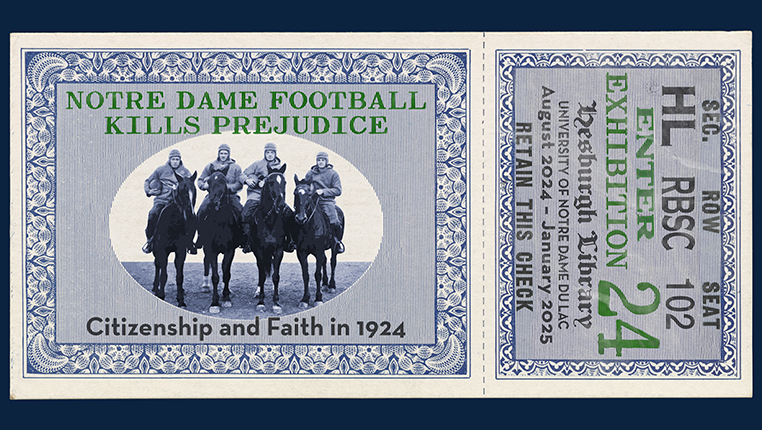
Fall 2024 Exhibition — Notre Dame Football Kills Prejudice: Citizenship and Faith in 1924
Continuing through the end of January.
“Notre Dame football is a new crusade: it kills prejudice and stimulates faith.”
— Rev. John F. O’Hara, C.S.C., Prefect of Religion, Religious Bulletin, November 17, 1924
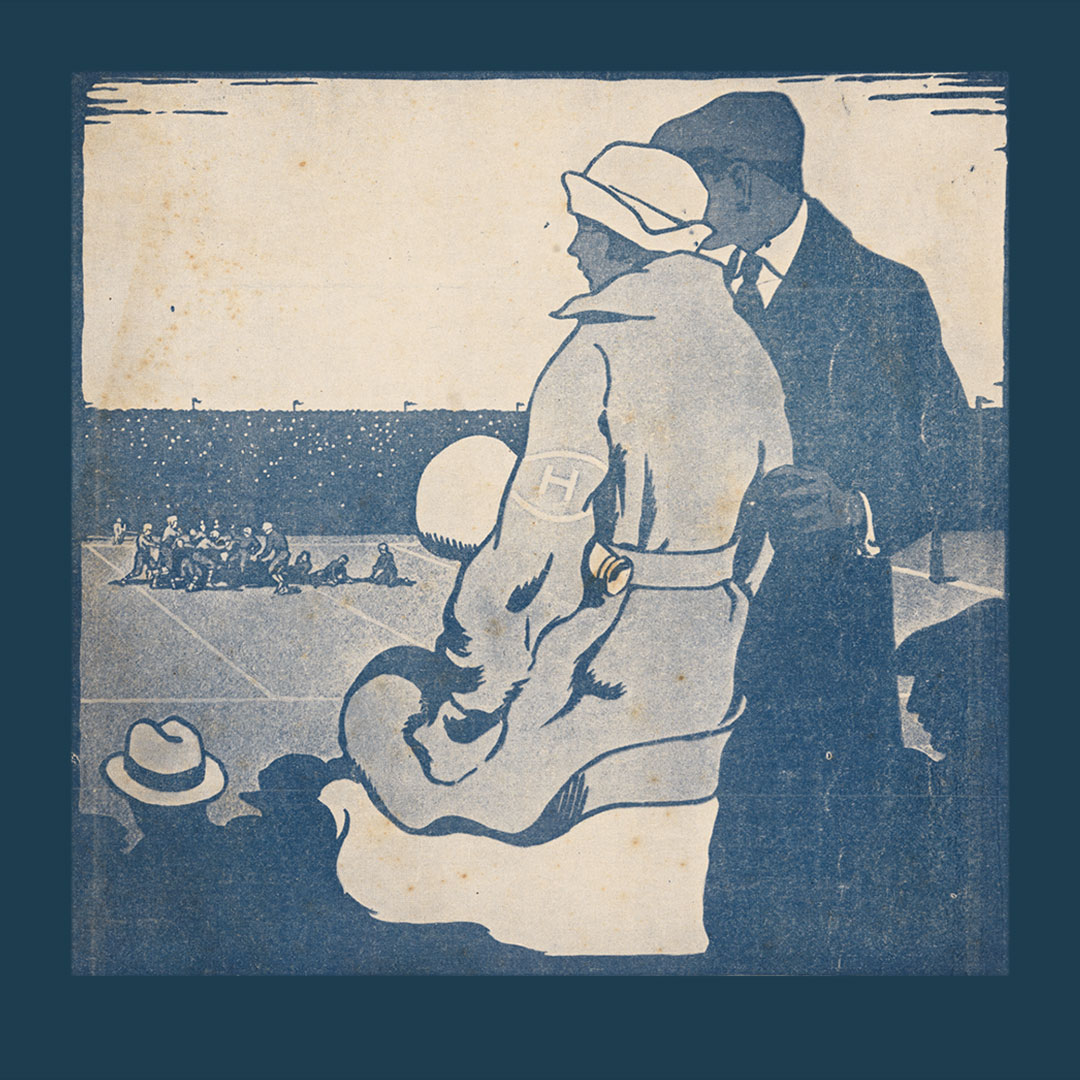
In the fall of 1924, the University of Notre Dame found great success on the football field and confronted a dangerous and divisive political moment. The undefeated Fighting Irish football team, cemented forever in national memory by Grantland Rice’s legendary “Four Horsemen” column, beat the best opponents from all regions of the country and won the Rose Bowl to claim a consensus national championship. Off the field, Notre Dame battled a reactionary nativist political environment that, in its most extreme manifestation, birthed the second version of the Ku Klux Klan. Sympathizers of this “100% Americanism” movement celebrated white, male, Protestant citizenship and attacked other groups—including Catholics and immigrants—who challenged this restrictive understanding of American identity.
In the national spotlight, Notre Dame leaders unabashedly embraced their Catholic identity. They consciously leveraged the unprecedented visibility and acclaim of the football team to promote—within the very real political constraints of the era—a more inclusive and welcoming standard of citizenship. Attracting a broad and diverse fan base, the 1924 national champion Fighting Irish discredited nativist politics and helped stake the claim of Notre Dame—and Catholics and immigrants—to full citizenship and undisputed Americanness.
Curated by Gregory Bond (Curator of the Joyce Sports Research Collection, Rare Books and Special Collections) and Elizabeth Hogan (Senior Archivist for Photographs and Graphic Materials, University Archives).
Spring 2025 Exhibition — Tragedies of War: Images of World War II in Print Visual Culture
Opening mid-February.
Based predominantly on recently acquired Rare Books and Special Collections European holdings, the exhibition commemorates the end of the Second World War (1939-1945) and explores a diverse assortment of themes including Nazi racial ideology, the Holocaust, Children in War, Resistance, Liberation, and Memories of War. By examining these topics through images created for personal use by ordinary people and for state-sponsored propaganda purposes, the exhibit presents a visual narrative of the war’s profound impact on individuals and societies, offering deeper insight into how war was experienced and remembered.
Curated by Natasha Lyandres (Curator, Rare Books & Special Collections), Jean McManus (Catholic Studies Librarian, University Archives) and Julia Schneider (German Language and Literature and Italian Studies Librarian, Hesburgh Libraries).
Spring Spotlight: Building a Campus Boycott to Support Midwestern Farmworkers
Opening end of January.
In 1980, the University of Notre Dame became the first major university to boycott Campbell Soup products in support of Midwestern farmworkers represented by the Farm Labor Organizing Committee (Toledo, OH). In a few short months, a small and dedicated cohort of students tapped into a growing movement and convinced the campus to act in solidarity.
Curated by Emiliano Aguilar (Assistant Professor of History, University of Notre Dame, and Faculty Fellow, Institute for Latino Studies).
These and other exhibits within the Hesburgh Libraries are generously supported by the McBrien Special Collections Endowment.
All exhibits are free and open to the public during regular hours.
Special Collections’ Classes & Workshops
Throughout the semester, curators will teach sessions related to our holdings to undergraduate and graduate students from Notre Dame, Saint Mary’s College, and Holy Cross College. Curators may also be available to show special collections to visiting classes, from preschool through adults. If you would like to arrange a group visit and class with a curator, please contact Special Collections.
Upcoming Events
Thursday, January 16 at 5:00pm | The Spring 2025 Italian Research Seminar and Lectures will begin with a lecture by 4th-year Ph.D. student in Italian Rookshar Myram (University of Notre Dame) titled: “Forging Effigies in the Commedia: Deification as Artistry.”
The exhibition Notre Dame Football Kills Prejudice: Citizenship and Faith in 1924 is now open and will run through the end of January 2025.
Tours of the exhibit may be arranged for classes and other groups by contacting Greg Bond at gbond2@nd.edu.
The current spotlight exhibits are Wollstonecraft: Revolution & Textual Evidence (September–December 2024) and A Fourteenth-Century Chanson de Geste Fragment (September–December 2024).
RBSC will be closed during the University of Notre Dame’s Christmas and New Year’s Celebrations, December 21, 2024 – January 1, 2025.
The exhibition Notre Dame Football Kills Prejudice: Citizenship and Faith in 1924 is now open and will run through the end of January 2025.
Curators Gregory Bond and Elizabeth Hogan will host exhibit open houses on select Friday afternoons before Notre Dame home football games, including on November 8 and November 15. The drop-in open houses will run from 3:00–4:30pm and will feature brief remarks by the curators at 3:15pm.
Tours of the exhibit may be arranged for classes and other groups by contacting Greg Bond at gbond2@nd.edu.
The current spotlight exhibits are Wollstonecraft: Revolution & Textual Evidence (September – December 2024) and A Fourteenth-Century Chanson de Geste Fragment (September – November 2024).
RBSC will be closed during the University of Notre Dame’s Thanksgiving Break, November 28 – 29.
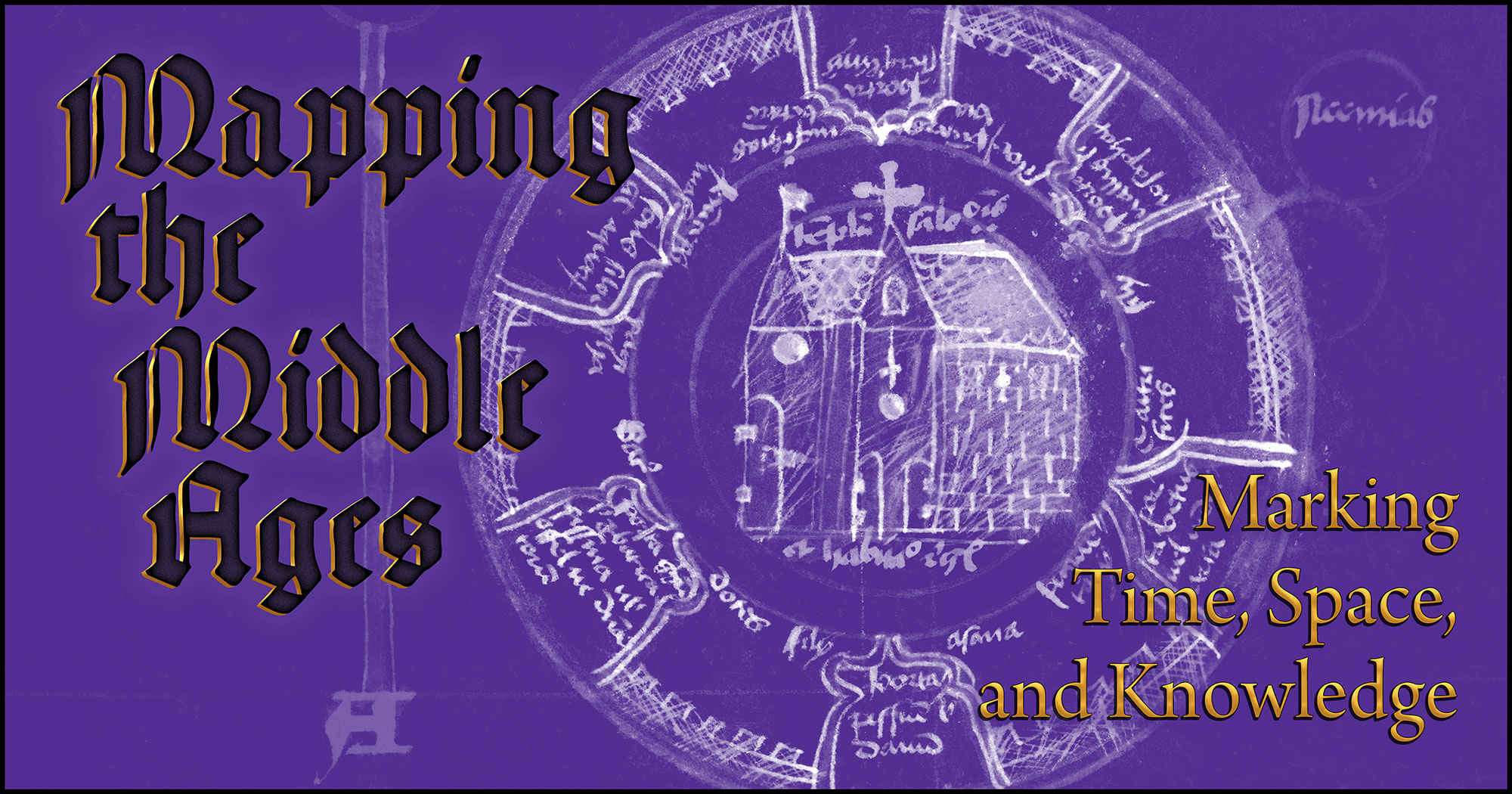
This exhibition is curated by David T. Gura, PhD, Curator of Ancient and Medieval Manuscripts.
The current spotlight exhibits are Scripts and Geographies of Byzantine Book Culture (February – April 2024) and A Medieval Nun’s Choir Book (February – early April 2024). The current bi-monthly spotlight will run through April 5, with a new exhibit featuring a selection of books from the Arts & Crafts movement being installed on April 8.
Special Collections will be closed on March 29, in observance of Good Friday, and will be open regular hours on Easter Monday (April 1).
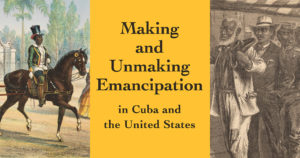
The exhibition Making and Unmaking Emancipation in Cuba and the United States is now open and will run through the fall semester.
Tours of the exhibit may also be arranged for classes and other groups by contacting Rachel Bohlmann at (574) 631-1575 or Rachel.Bohlmann.2@nd.edu.
The December spotlight exhibits are Football and Community at Historically Black Colleges and Universities (August – December 2023) and TBD (December 2023 – November 2024).
Rare Books and Special Collections will be closed for Notre Dame’s Christmas and New Year’s Break (December 22, 2023, through January 1, 2024).
We otherwise remain open for our regular hours during Reading Days and Exams, and welcome those looking for a quiet place to study.
Thursday, November 9 at 5:00pm | Book Presentation: La vita dell’altro. Svevo, Joyce: Un’amicizia geniale by Enrico Terrinoni (Affiliate of the Center for Italian Studies). Terrinoni will be joined by Sara Boezio, Charles Leavitt, and Clíona Ní Ríordáin for a roundtable discussion of his book. This event is co-sponsored by the Center for Italian Studies and the Keough-Naughton Institute for Irish Studies.
A tour of Hesburgh Libraries’ Fall 2023 exhibition, Making and Unmaking Emancipation in Cuba and the United States, precedes the panel discussion (4:30 – 5:00pm). A reception will follow the panel discussion, in the Hesburgh Libraries Scholar’s Lounge.
Free and open to the public; no tickets required.
The exhibition Making and Unmaking Emancipation in Cuba and the United States is now open and will run through the fall semester.
A curator-led tour, open to the public, will be held noon–1:00pm on the following upcoming Friday: November 17. Tours of the exhibit may also be arranged for classes and other groups by contacting Rachel Bohlmann at (574) 631-1575 or Rachel.Bohlmann.2@nd.edu.
The November spotlight exhibits are Football and Community at Historically Black Colleges and Universities (August – December 2023) and Path to Sainthood: Brother Columba O’Neill (October – November 2023).
RBSC will be closed during the University of Notre Dame’s Thanksgiving Break, November 23 – 24.
Captain Francis O’Neill’s collection 1001 Gems: The Dance Music of Ireland (1907) is so important to the world of Irish traditional music that it’s sometimes called the Bible or simply, ‘The Book’. Starting as a pandemic project, the Irish composer and musicologist Seán Doherty analyzed all 1001 tunes in this influential collection. In this lecture and performance, Seán will discuss the music along with O’Neill’s biography and will play tunes linked to key moments in Chief O’Neill’s life.
Captain O’Neill donated his personal library to the University of Notre Dame, where it is held at the Hesburgh Library. Dr. Doherty’s research visit is supported by the Keough-Naughton Library Research Award in Irish Studies.
The exhibition Making and Unmaking Emancipation in Cuba and the United States is now open and will run through the fall semester.
Curator-led tours, open to the public, will be held noon–1:00pm on the following upcoming Fridays: October 13 and 27 [tour on 10/27 cancelled], and November 17.
Tours of the exhibit may also be arranged for classes and other groups by contacting Rachel Bohlmann at (574) 631-1575 or Rachel.Bohlmann.2@nd.edu.
The October spotlight exhibits are Football and Community at Historically Black Colleges and Universities (August – December 2023) and Path to Sainthood: Brother Columba O’Neill (October – November 2023).
RBSC will be open regular hours (9:30am – 4:30pm) during the University of Notre Dame’s Fall Break, October 16 – 20.
Rare Books and Special Collections welcomes students, faculty, staff, researchers, and visitors back to campus for Fall ’23! We want to let you know about a variety of things to watch for in the coming semester.
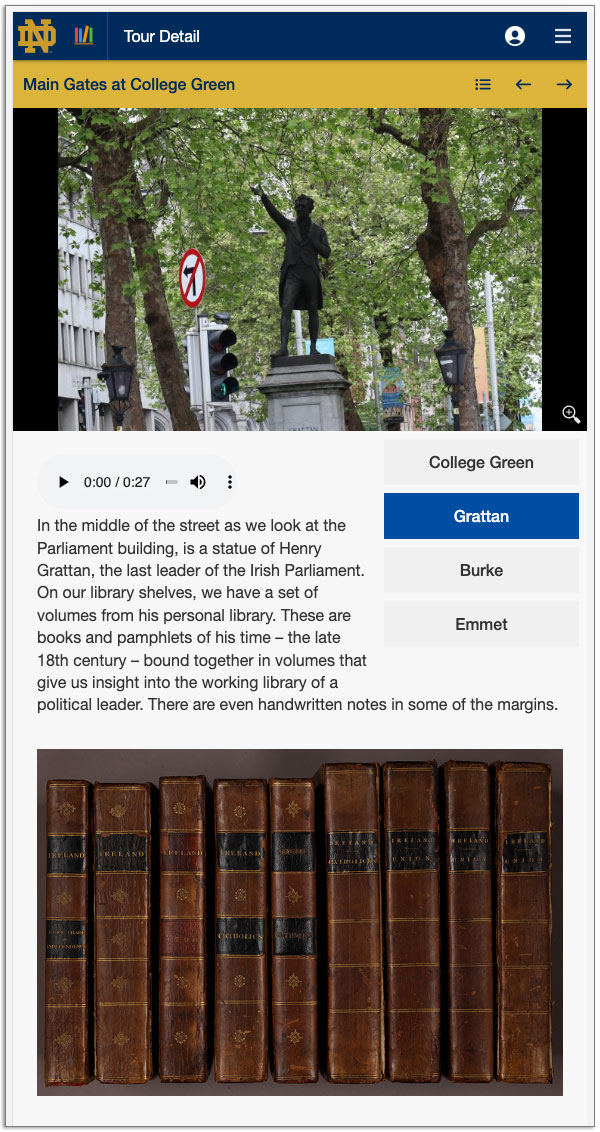
Dublin Walking Tour
This week thousands of supporters of Notre Dame’s football team will travel to Ireland for the Aer Lingus Classic. The Hesburgh Libraries has developed a multimedia walk in Dublin’s city center that connects stories of our library collection with the streets and buildings along the way.
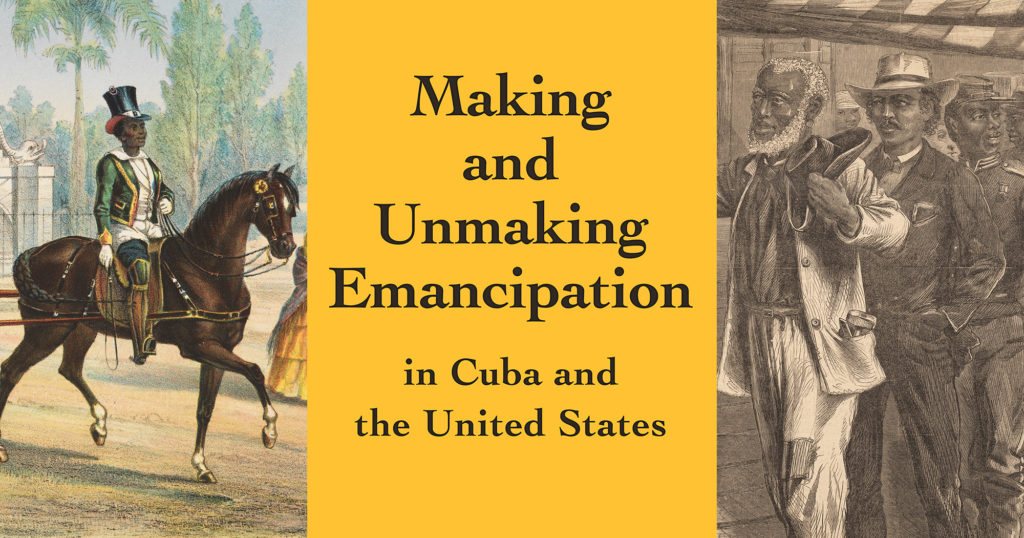
Fall 2023 Exhibition: Making and Unmaking Emancipation in Cuba and the United States
This exhibition explores the fraught, circuitous and unfinished course of emancipation over the nineteenth century in Cuba and the United States. People—enslaved individuals and outside observers, survivors and resistors, and activists and conspirators—made and unmade emancipation, a process that remains unfinished and unrealized.
Curator-led tours are open to the public, noon – 1 pm on the following Fridays: September 1, 15 and 22; October 13 and 27 [tour on 100/27 cancelled], and November 17. Tours of the exhibit may be arranged for classes and other groups by contacting Rachel Bohlmann at (574) 631-1575 or Rachel.Bohlmann.2@nd.edu.
Stop in regularly to see our Collections Spotlights
Fall Spotlight: Football and Community at Historically Black Colleges and Universities
This exhibit features a selection of sources from the Joyce Sports Research Collection that document and preserve the history of football at Historically Black College and Universities (HBCUs). During the era of Jim Crow segregation, the vast majority of African American college students and student athletes attended HBCUs.
Many of the yearly gridiron contests between rival institutions developed into highly anticipated annual events that combined football with larger celebrations of African American achievement and excellence. The programs, media guides, ephemera, guidebooks, and other printed material on display document the athletic accomplishments, the celebrations, the spectacle, and the community-building that accompany football at Historically Black Colleges and Universities.
August-September Spotlight: Centering African American Writing in American Literature
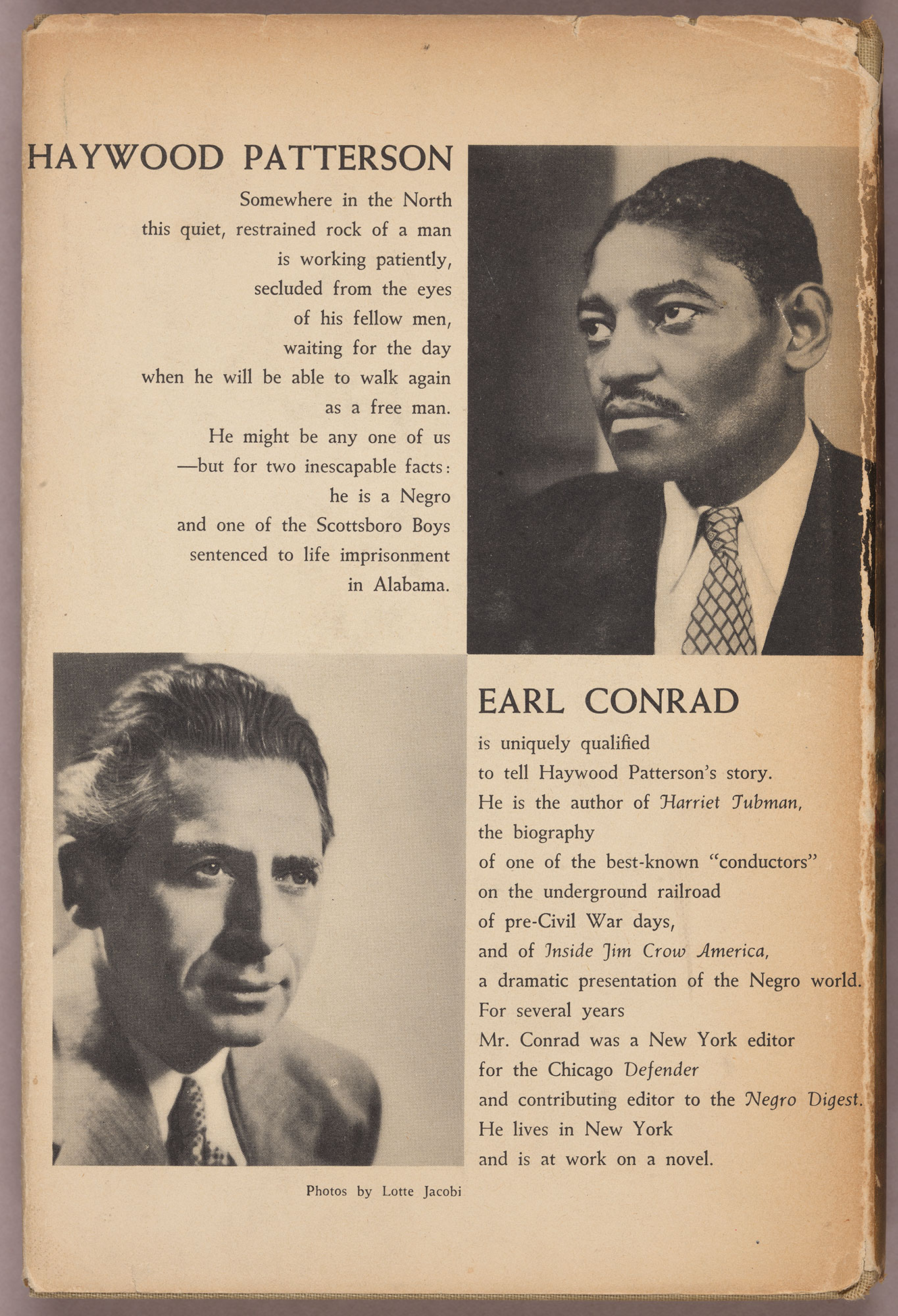
Author photos and bios from the back cover of Haywood Patterson and Earl Conrad’s Scottsboro Boy (1950).
Decades before Alex Haley’s Roots swept to number one on the New York Times Best Seller List in 1976, writing and editing produced by African Americans was central to twentieth-century American publishing. Literary production was interracial. View examples of mid-century books by African Americans whose designs—from dust jackets to illustrations to bindings and paper quality—conveyed their centrality in publishing and American literature.
These and other exhibits within the Hesburgh Libraries are generously supported by the McBrien Special Collections Endowment.
All exhibits are free and open to the public during business hours.
Special Collections’ Classes & Workshops
Throughout the semester, curators will teach sessions related to our holdings to undergraduate and graduate students from Notre Dame, Saint Mary’s College, and Holy Cross College. Curators may also be available to show special collections to visiting classes, from preschool through adults. If you would like to arrange a group visit and class with a curator, please contact Special Collections.
Events
These programs are free and open to the public.
Friday, September 1 at noon-1:00pm |First of the curator-led tours of the Fall 2023 Exhibition, Making and Unmaking Emancipation in Cuba and the United States. Additional tours will be held September 15 and 22; October 13 and 27, and November 17.
Friday, September 1 at 2:00-4:00pm | Spotlight Exhibit Tour and Open House, Football and Community at Historically Black Colleges and Universities, with curator Greg Bond.
Tuesday, September 19 at 4:00pm | Centering African American Writing in American Literature – American Studies Professor Korey Garibaldi will draw on his new book, Impermanent Blackness: The Making and Unmaking of Interracial Literary Culture in Modern America(Princeton, 2023), and on recent library acquisitions to discuss how, during the middle of the twentieth century, modern American literature and its production were interracial. He will explore multiple aspects of American literary creation, including how African American content has been embodied in dust jacket and cover designs, illustrations, the style of type and bindings, and the overall production quality.
Learn more about Special Collections and other Library Events.
Thursday, October 5th at 5:00pm | The Fall 2023 Italian Research Seminar and Lectures will begin with a lecture by Daniela La Penna (University of Reading, UK), “The Archival Turn and Network approach: Examining evolving translation practices and discourses in the British publishing firm complex, 1950s-1980s.”
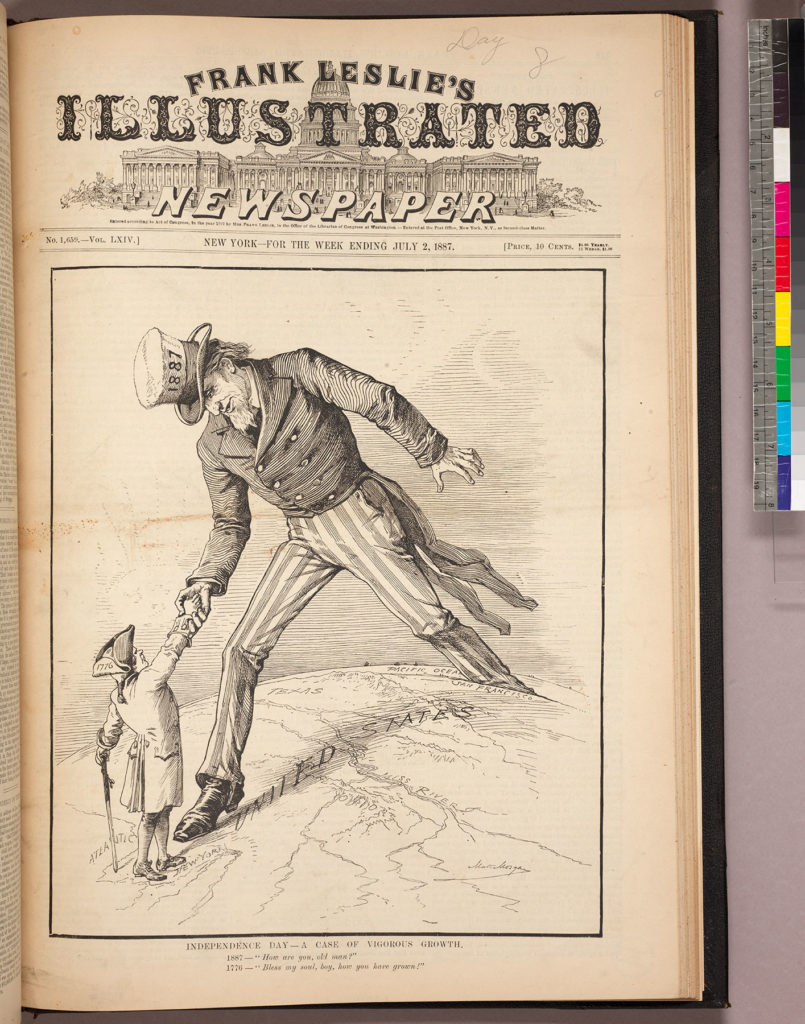
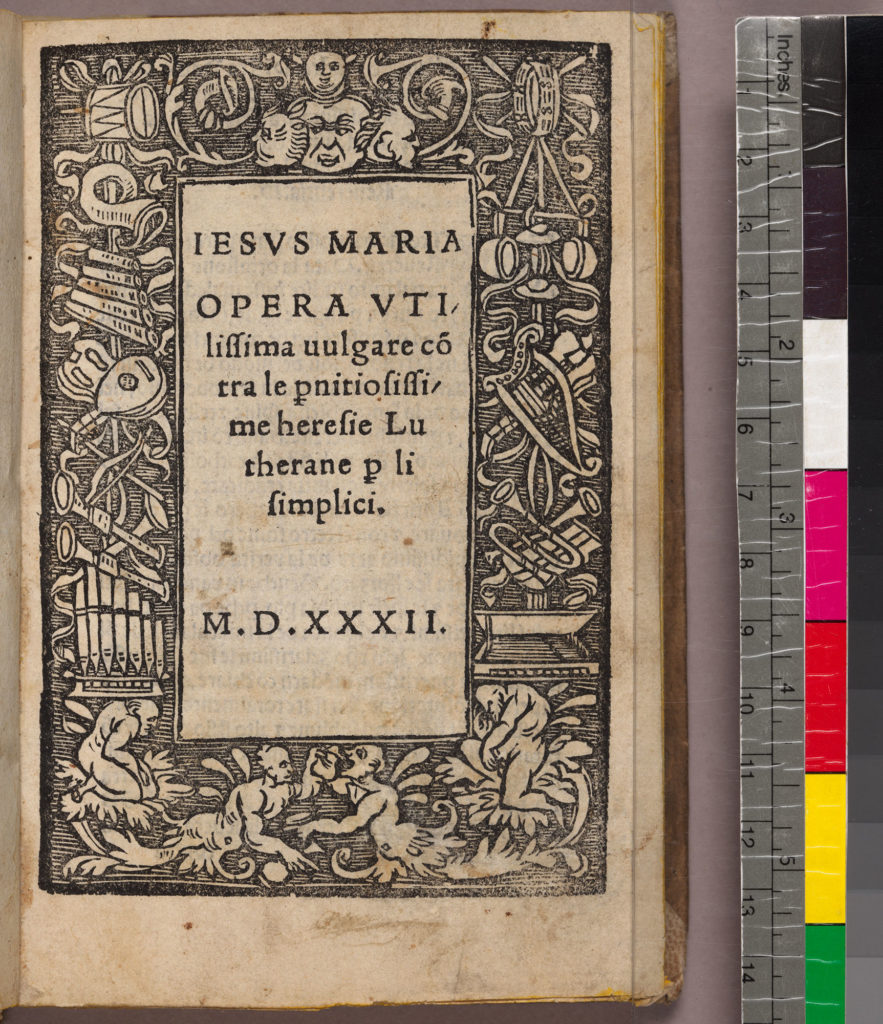
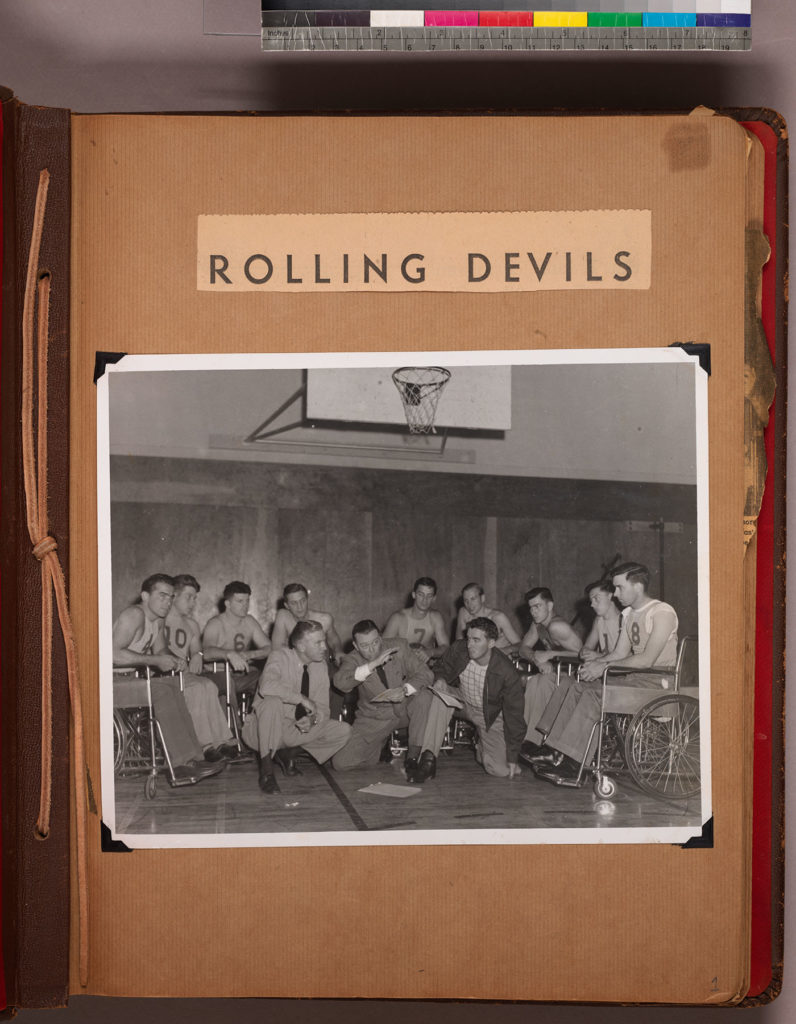
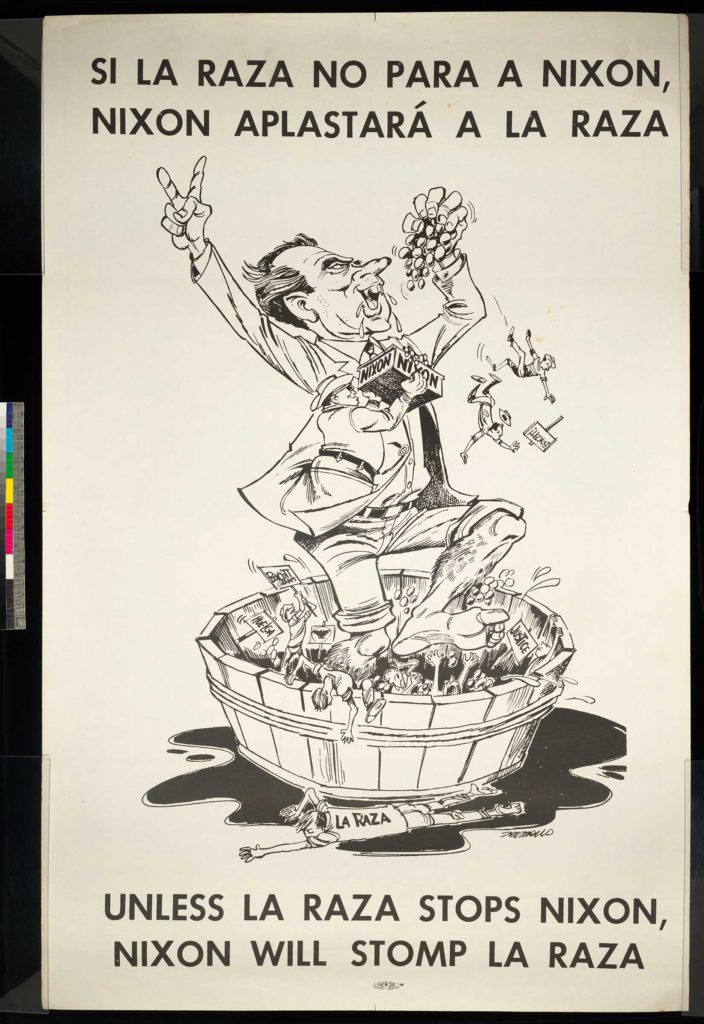
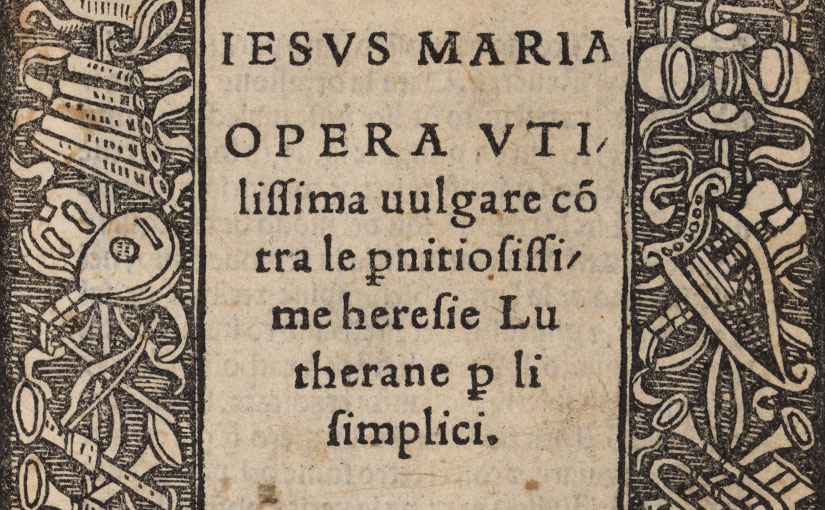
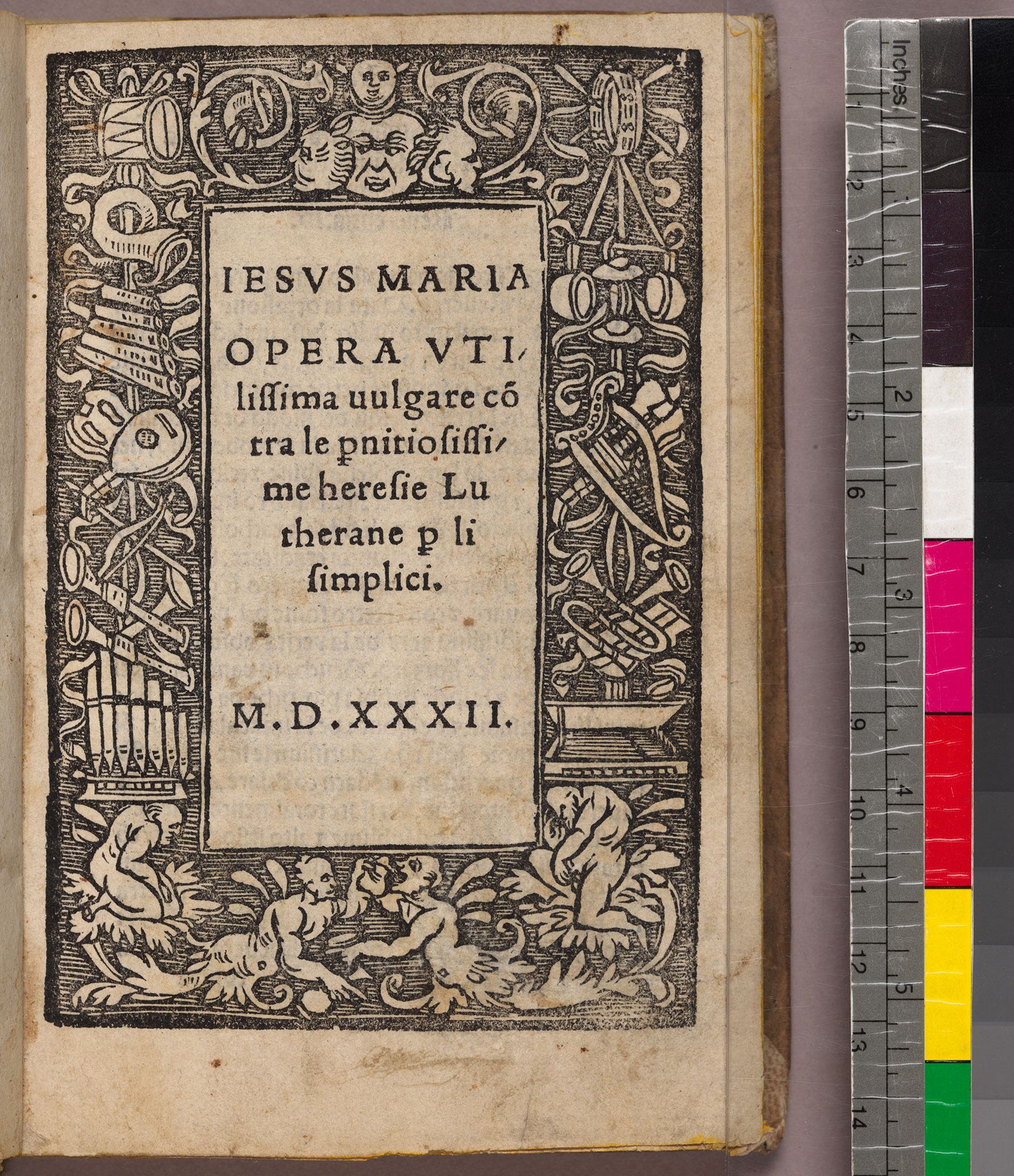
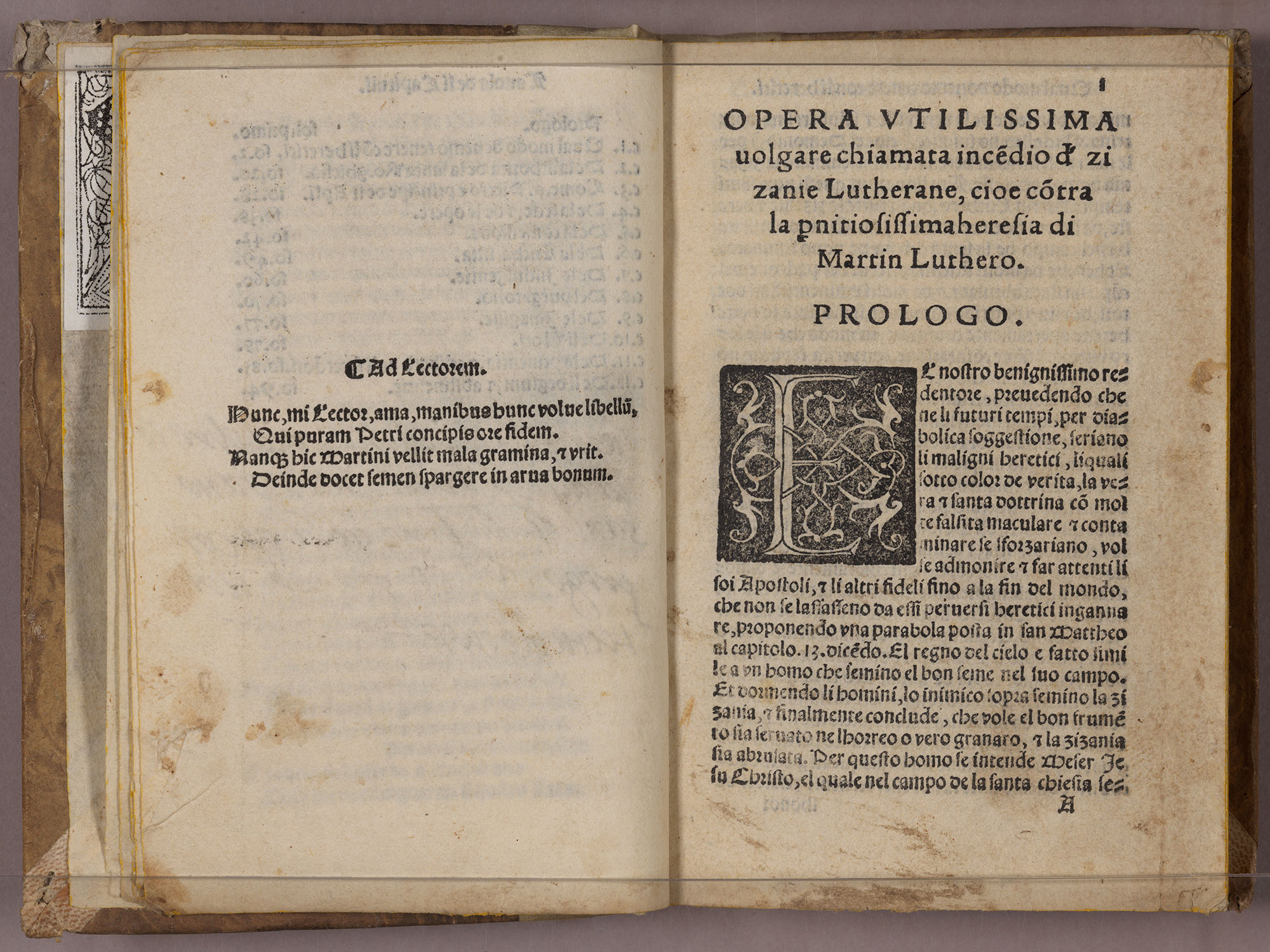
Frank Leslie’s Illustrated Newspaper.An early Italian vernacular response to Martin Luther’s teachings.Scrapbook of the Corona Rolling Devils.A political cartoon Andrew Zermeño.Some of the recent acquisitions highlighted on the blog in the past year.
“At the end of the 1520’s and especially in the course of the 1530s, the Italian market offered a wide range of anonymous books in the vernacular that were merely translations, often partial, of Lutheran texts disguised behind seemingly innocent titles… To the complete absence of reaction by controversialists … there had been one significant exception… Giovanni of Fano offered the uneducated reader a Luther skilled in controversy, a violently anti-Roman, systematic theologian and subverter of tradition, presenting, together with a ‘clearer notice’ of the fundamentals of Catholic doctrine, a fully detailed picture of Lutheran errors.”
The first chapter of the work treats the handling of all kinds of heretics. Fano subsequently introduces his lay reader to the usual anti-Lutheran responses found in Latin treatises of the time: on the unity of the Church; St. Peter and the Apostolic Succession; on faith, Confession, the Eucharist, indulgences, Purgatory, idolatry, prayer, and finally on the celibacy of the clergy.
We have located only one other North American institutional holding of this title.